


Atlanta, GA and the surrounding area
Pallet Racking in Atlanta, GA
Get pallet racking in Atlanta, GA built for the Southeast's largest industrial market, from the Fulton Industrial corridor and I-20 West to the Northeast Atlanta and I-85 submarkets. New and used pallet racks, cantilever, pushback, pallet flow, and heavy-duty structural systems, engineered to Georgia's adopted building code. Layout, permit support, and installation run through one crew, so the project does not stall between vendors.


Racking Delivery and Services in Atlanta, GA
Most standard racking orders to Atlanta can arrive in as little as
5–7 DAYS
Actual delivery times vary. Large projects, structural systems, and permit-tied orders may take longer. We ship from multiple U.S. locations – once we see your scope, we’ll give you a real lead time.
Services We Run in Atlanta

Enforcing Agency
Federal OSHA
Design Standard
ANSI MH16.1
Georgia has no state-run workplace safety agency, so a damaged rack in an Atlanta warehouse is the employer’s exposure directly. Our inspectors walk the system frame by frame and tag every upright, beam, footplate, and anchor by condition. You get a written record of what has to come out of service now and what can stay loaded. That record is what your team hands over when an inspector or an insurance carrier asks how the racking is being monitored.
Anchor Design
ASCE 7-22
Coverage
Metro Atlanta + Georgia
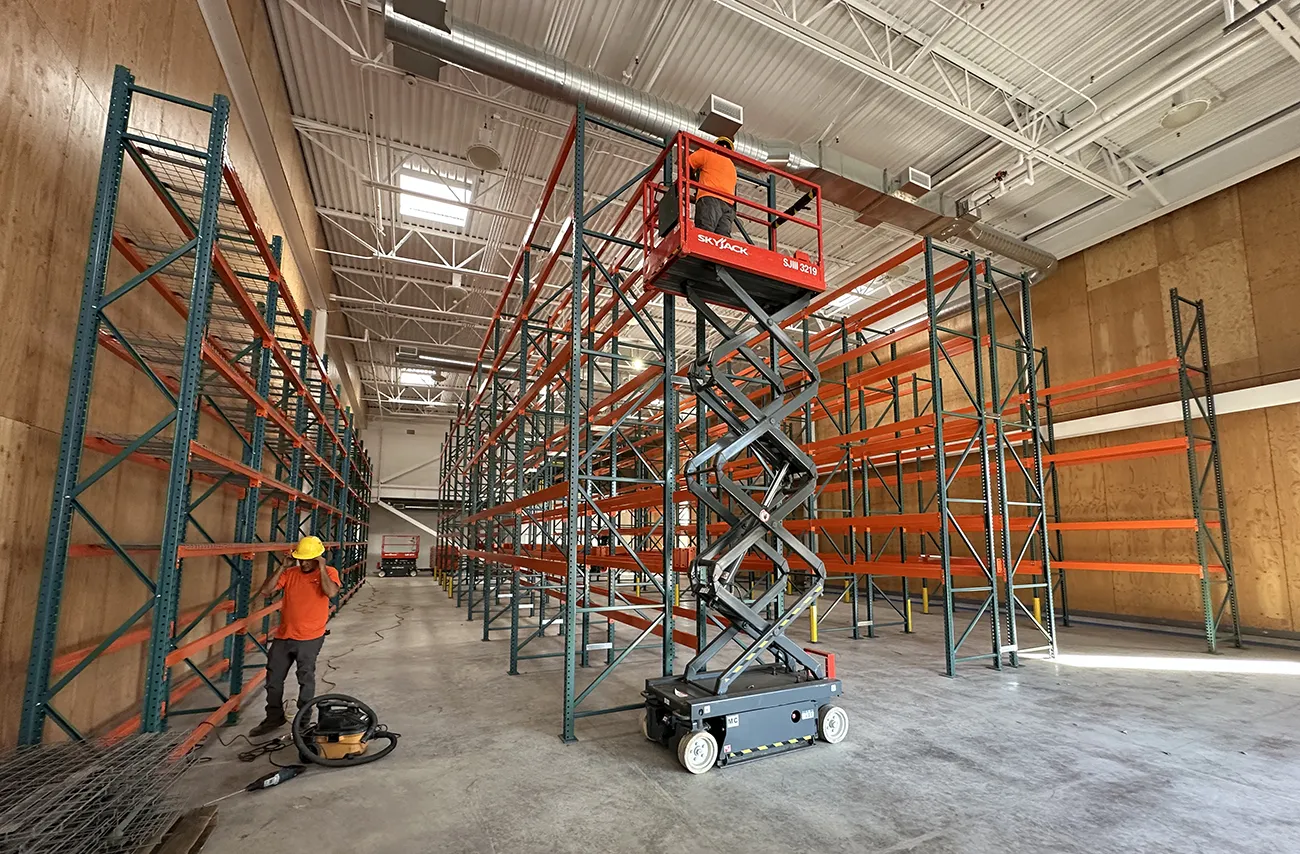
Our crews anchor every upright to the slab and set beam elevations to the approved drawing before anything gets loaded. Older small-bay buildings along Fulton Industrial and the I-20 West corridor often have slab thickness and joint locations that do not match the rack layout on paper, so we verify slab conditions on site instead of assuming them. Every install closes with a walkthrough against the drawing before the first pallet goes up.

Local Authority
Office of Buildings
Fire Review
Atlanta Fire Rescue
We assemble the submittal package: rack elevations, load data, anchorage details, and commodity information for fire review. Structural drawings sit with your engineer of record, since the city stopped reviewing structural documents in-house in January 2026, so we make sure what gets sealed matches what ships. We stay on the file through comment responses until the permit is issued.
Shop Our Products




Discover
300+
products
Warehouse Racking Built for Atlanta’s Freight Corridors
Warehouse Racking Built for Atlanta’s Freight Corridors
Atlanta is the Southeast’s largest industrial market, and warehouse racking in Atlanta has to work in everything from small-bay Fulton Industrial stock to new Class A buildings off I-85. We size systems for both, including tight-column older buildings where a standard bay layout will not drop in.
Our coverage runs the Airport and South Atlanta submarkets near Hartsfield-Jackson, the I-20 West data center corridor, and the I-85 stretch northeast through Gwinnett. Container freight moving inland from the Port of Savannah lands in these buildings, and the rack has to hold up to that turn rate.
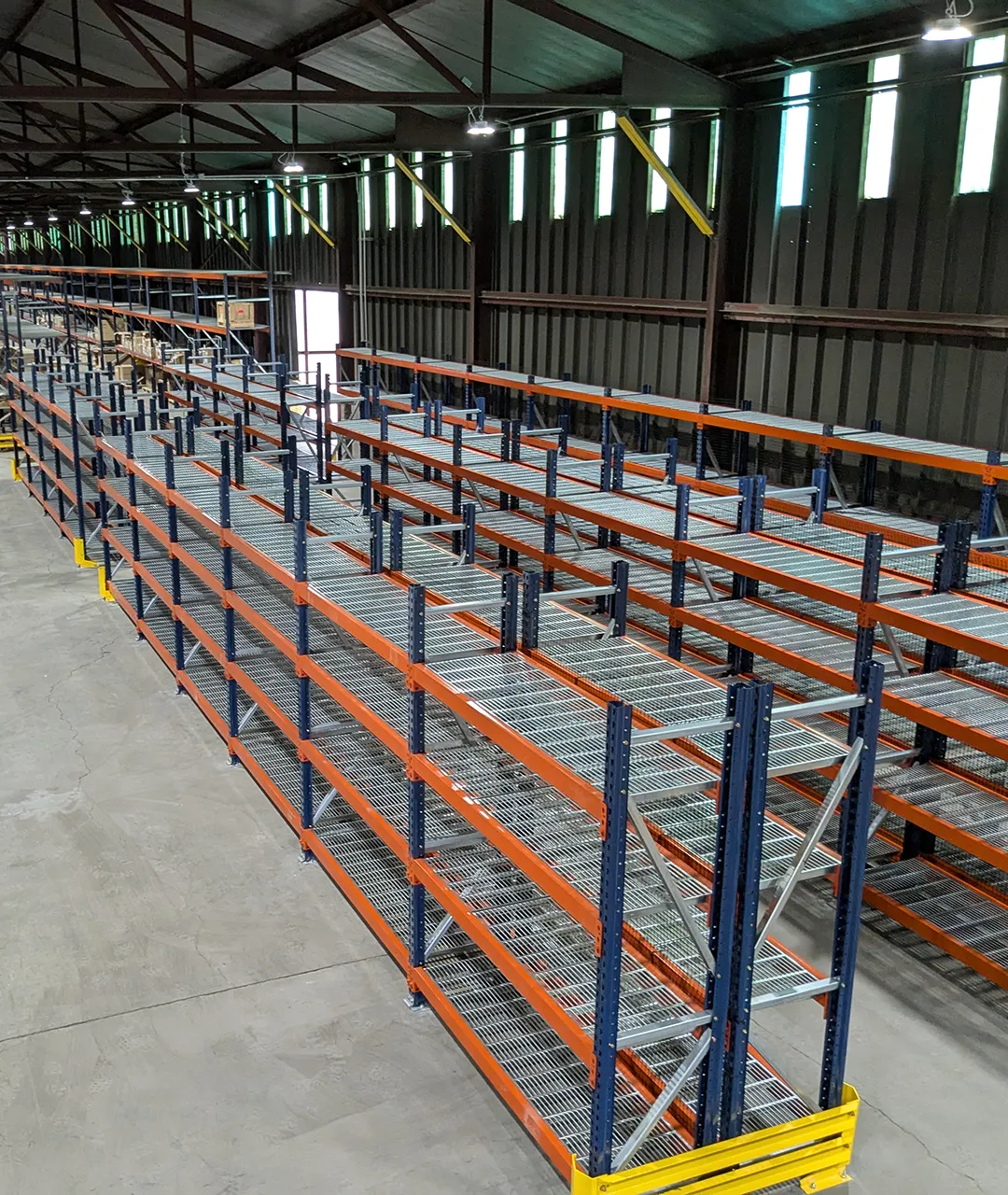
Selective, pushback, pallet flow, drive-in, cantilever, and boltless shelving come from one source, and industrial racking systems in Atlanta can include used pallet racks when the budget calls for it. Send us pallet dimensions, weights, and forklift class and we will come back with a layout.

Requirements and Regulations Specific to Racking in Atlanta, GA
Yes. Permit applications filed with the City of Atlanta on or after February 1, 2026 fall under the 2024 International Building Code with Georgia Amendments, and high-piled storage pulls Atlanta Fire Rescue into the review. Settle the permit path before steel is ordered, because a layout change after submittal restarts the review clock.
Who You'll Work With
Why This Matters for Atlanta Operations
Key Requirements
-
Permit Requirement:
A building permit is required for pallet racking installations in Atlanta, with inspections typically required during and after installation. Applications submitted on or after February 1, 2026 must comply with the 2024 International Building Code with Georgia Amendments, adopted statewide by the Georgia Department of Community Affairs on January 1, 2026.
-
Application:
Submittals go to the City of Atlanta Department of City Planning, Office of Buildings. Parcels with an Atlanta mailing address that fall outside the city limits are handled by the county building department with jurisdiction over that address.
-
Seismic Design Category:
Seismic Design Category is site-specific under IBC 2024 Section 1613 and ASCE 7-22. It is set by risk category, site class, and mapped ground motion at your address, not by the city as a whole, so no letter should be assumed for an Atlanta site until the engineer of record confirms it.
-
Engineering:
The Office of Buildings structural checklist sets floor values of Ss 0.21g and S1 0.095g for construction sites in Atlanta unless a site-specific seismic hazard analysis, sealed and signed by an engineer or geologist registered in Georgia, substantiates otherwise. Structural documents in the permit package must be sealed by a professional engineer registered in Georgia, and since January 2026 the city no longer reviews those drawings itself.
-
High-Piled Combustible Storage:
Georgia enforces the International Fire Code as adopted by the Safety Fire Commissioner, currently the 2024 edition. Chapter 32 applies when the top of storage passes 12 feet, or 6 feet for high-hazard commodities such as Group A plastics, rubber tires, and idle pallets, and aisle and fire department access provisions apply to high-piled areas over 500 square feet.
-
Sprinkler Coordination:
Rack layout, flue spaces, and storage height have to match the sprinkler design already in the building, reviewed by the Atlanta Fire Rescue Office of the Fire Marshal. Raising storage height above what the ceiling system was designed for can force in-rack sprinklers or a redesign under NFPA 13, which is a far bigger line item than the rack itself.
-
Load Capacity:
Beam and frame capacities come from the manufacturer load tables for the exact configuration: beam length, upright depth, frame height, and vertical beam spacing. Moving beam elevations in the field changes the rated capacity of the bay, which is why elevations belong on the permit drawing and on a posted capacity label at each run.
-
Anchoring:
Every upright is anchored to the slab. Anchor type, embedment depth, and edge distance depend on slab thickness, concrete strength, and joint location, so slab conditions get verified on site before anchors are specified.
-
General Duty Clause:
Georgia does not operate an OSHA-approved state plan, so private-sector warehouses in Atlanta fall under federal OSHA directly. That includes the General Duty Clause at 29 U.S.C. 654 and the 29 CFR 1910 general industry standards, and damaged racking left in service is the condition inspectors act on.
-
Ongoing Compliance:
Keep load capacity posted at each run, document damage inspections on a set schedule, and pull damaged uprights and beams out of service until they are repaired or replaced. A dated inspection record is what shows the hazard was being managed rather than noticed after the fact.
-
Pre-Install Engineering Review:
Before any steel ships, our team audits your order against your site dimensions, forklift class, and pallet specs. We catch specification errors before they leave our facility – and we document everything so your receiving team knows exactly what to expect at the dock.
-
Post-Install Verification:
After install we walk the system with your team and check plumb, anchor torque, beam seating, and safety clips against the approved drawing. Anything that deviates gets corrected before product is loaded, since Atlanta inspections on permitted work are called after the racking is standing.
-
Zoning Compliance:
Warehousing, distribution centers, and storage yards are permitted uses in Atlanta’s I-1 Light Industrial and I-2 Heavy Industrial districts under Part 16 of the Code of Ordinances, administered by the Department of City Planning. Atlanta also carries an I-MIX industrial district, so the parcel classification decides what storage use is allowed on site.
-
Site-Specific Checks:
Special Public Interest overlay districts and historic districts add a review layer in parts of the city, and outdoor cantilever or yard storage raises screening, setback, and tree questions that indoor racking does not. Permit applications that may affect trees also require a completed Arborist Meeting with the Office of Buildings before the application is accepted.
Racking for the Industries Running Atlanta's Warehouses
Atlanta’s industrial base leans on interstate distribution, the data center build-out west of the city, and food production in the older infill corridors. These three show up most often in the buildings we work in.
Logistics & Other Distribution
Electrical, Power & Low-Voltage
Food, Beverage & Cold Storage
We are Atlanta’s largest pallet rack and material handling distributor!
What Pallet Rack type is right for you?
In Atlanta, Georgia, the right racking system depends on your industry, throughput, and the building you are in. A 3PL off I-85 running mixed SKUs, a data center supplier staging gear along I-20 West, and a food producer on Fulton Industrial each need a different configuration. If you are not sure which one fits, that is the conversation we want to have first.
Selective Pallet Racks
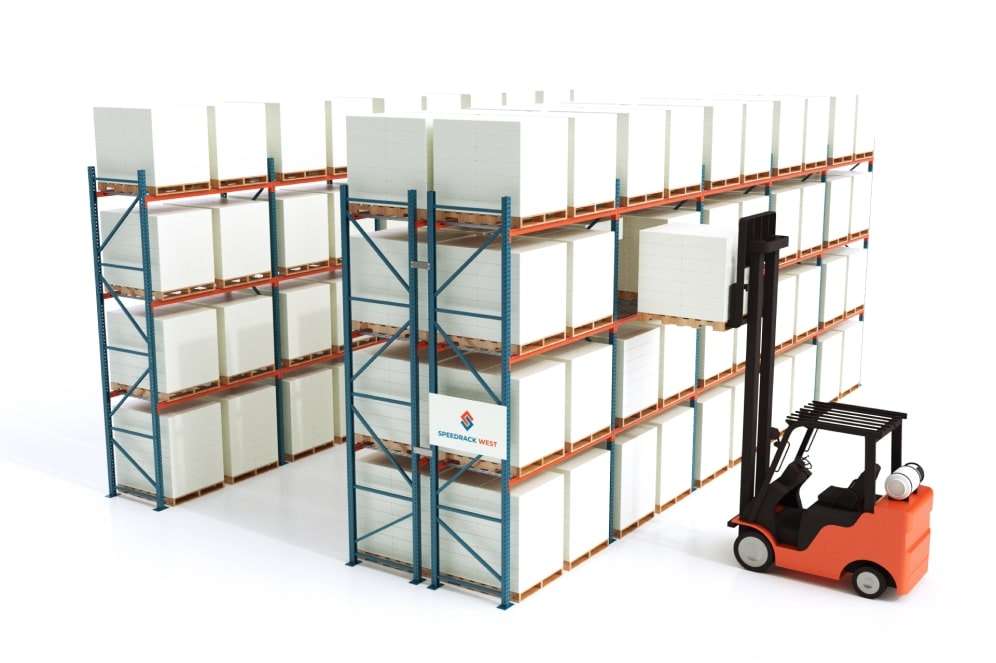
The most common type of pallet racking system. It provides direct access to each pallet, making it suitable for warehouses with a wide variety of products.
Advantages
Flexibility, ease of access, and compatibility with most types of forklifts.
Compliance
Must meet structural and seismic requirements as outlined in the local building codes and ASCE 7 standards.
Advantages
Flexibility, ease of access, and compatibility with most types of forklifts.
Compliance
Must meet structural and seismic requirements as outlined in the local building codes and ASCE 7 standards.

Drive-In/Drive-Through Racks
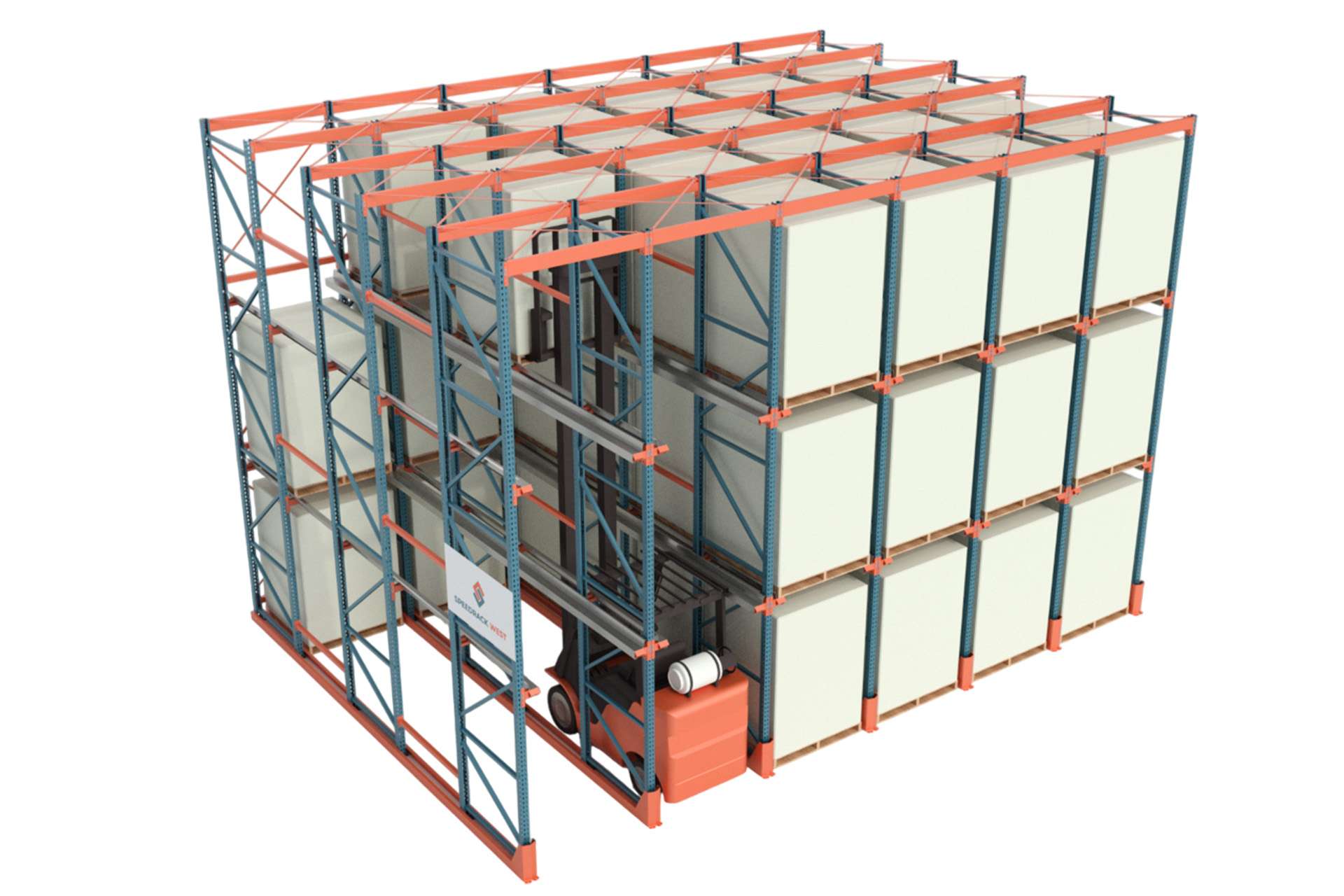
Designed for high-density storage, allowing forklifts to drive directly into the rack to place or retrieve pallets. Drive-In racks have one entry and exit point, while Drive-Through racks have entry and exit points on both sides.
Advantages
Maximizes storage space by reducing aisle space.
Compliance
Requires careful design and anchorage to meet safety standards, especially in seismic zones.
Advantages
Maximizes storage space by reducing aisle space.
Compliance
Requires careful design and anchorage to meet safety standards, especially in seismic zones.

Push-Back Racks
A high-density storage system where pallets are loaded from the front and pushed back on inclined rails. When a pallet is removed, the next pallet automatically moves forward.
Advantages
Increases storage density while providing better access to products compared to drive-in racks.
Compliance
Needs to adhere to local structural requirements and periodic inspections for safety.
Advantages
Increases storage density while providing better access to products compared to drive-in racks.
Compliance
Needs to adhere to local structural requirements and periodic inspections for safety.

Pallet Flow Racks
Utilizes gravity flow lanes to move pallets from the loading side to the picking side. Ideal for first-in, first-out (FIFO) inventory management.
Advantages
Efficient for warehouses with high turnover rates and expiration-sensitive products.
Compliance
Requires detailed structural analysis and compliance with seismic bracing standards.
Advantages
Efficient for warehouses with high turnover rates and expiration-sensitive products.
Compliance
Requires detailed structural analysis and compliance with seismic bracing standards.
Designing Your Pallet Rack
Try our Pallet Rack Builder to design your system and get instant final pricing upon checkout.
Try Pallet Rack BuilderDo you handle pallet rack installation outside the city of Atlanta?
Yes. Our pallet rack installation crews cover metro Atlanta, including Marietta, Smyrna, Alpharetta, Duluth, and McDonough, and new and used pallet racks for sale in Atlanta ship across the rest of Georgia as well.
Is used pallet racking available in Atlanta, or do you sell new only?
Used pallet racks in Atlanta are available alongside new, and we can quote both. Availability depends on what is in stock when you order, so the quote states which components are new and which are used.
How does Georgia’s building code affect racking installed in Atlanta?
Permit applications filed in Atlanta on or after February 1, 2026 fall under the 2024 International Building Code with Georgia Amendments, which references ASCE 7-22 for seismic and wind loads. Seismic Design Category is determined per site, so the engineer of record confirms it from your address and site class.
Key Notions
Pallet racks are known throughout the industry by many names. Below are some of the more common terms that are used interchangeably for pallet racking.
- Industrial shelving
- Industrial pallet racks
- Stacking Rack
- Warehouse shelving
- Industrial racking systems
- Load-bearing Rack
- Warehouse racking systems
- Pallet rack systems
- Bulk Storage Rack
- Warehouse racks
- Pallet racking storage
- Heavy-Duty Rack
- Pallet racking
- Pallet racking uprights and beams
- Pallet Shelving
- Warehouse racking
- Industrial Rack
- Logistics Rack
- Warehouse pallet shelving rack
- Racking System
- Palletized Storage System
- Storage racking
- Shelving Unit
- Freight Storage Rack
- Warehouse storage racks
- Material Handling Rack






Irving Nieves says: “It's been an easy process working with the Speedrack West team, even with the changes partway through.”


Scott Misso says: “Everything works as expected. Designed as it should be. Good job!”


Kyle Gersman says: “I called Bill multiple times a day and he always picked up and was always very helpful. What I really liked is that they pointed out a lot of questions and processes that I didn't even have on my radar going into the move. It helped me expand the scope to an appropriate size of what I needed to consider as we made the transition to a bigger facility.”


Robert Baumgartner says: “Despite picking up this project in the middle of its lifecycle, the transition was flawless thanks to the team’s stellar communication. They exceeded our expectations by delivering the installation earlier than anticipated and hitting every technical requirement. From the sales team’s quick answers to their willingness to make adjustments, the experience was top-tier.”


Consolidated Supply says: “We’re very happy to be your regular client, and it’s always so easy to work with your team”


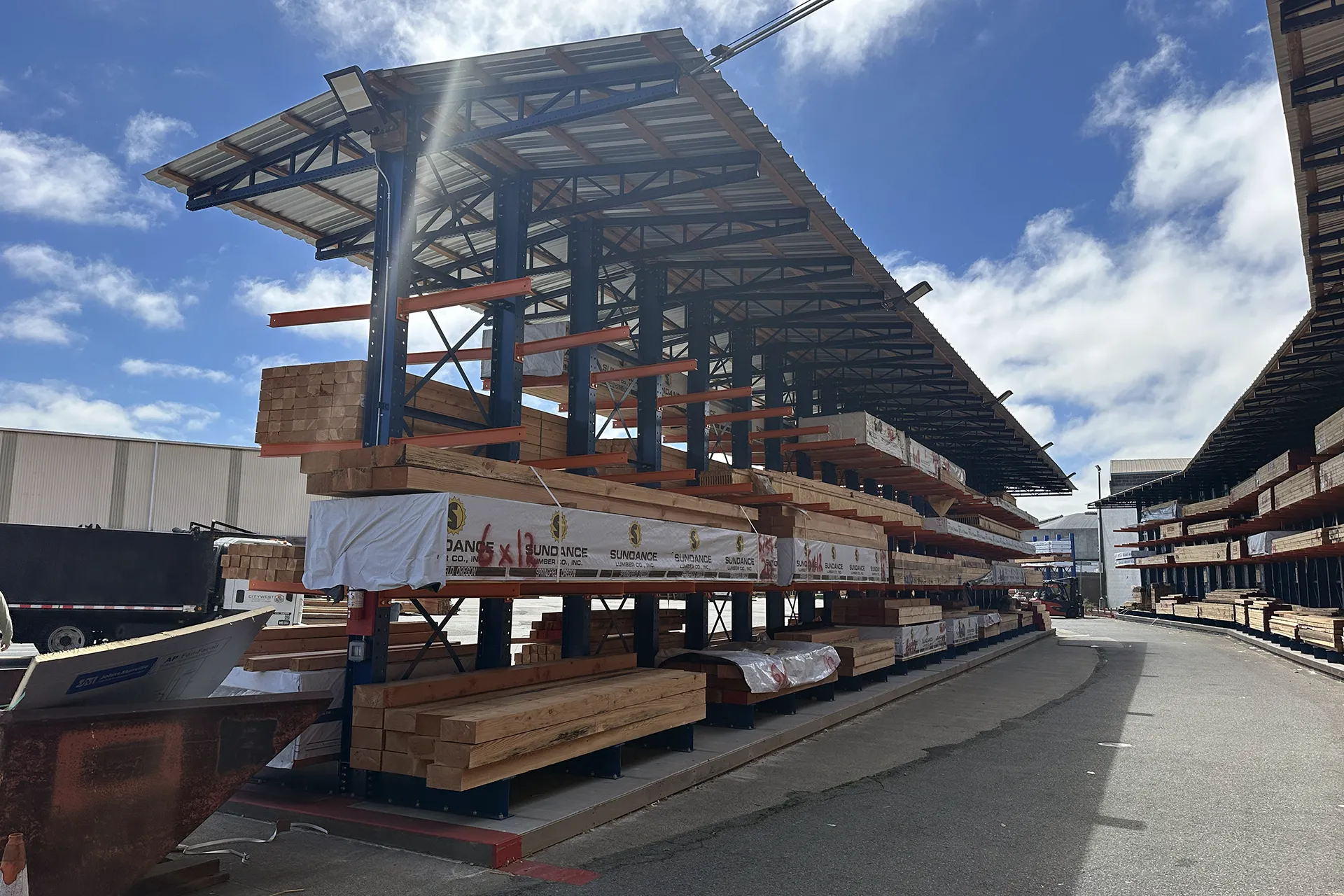
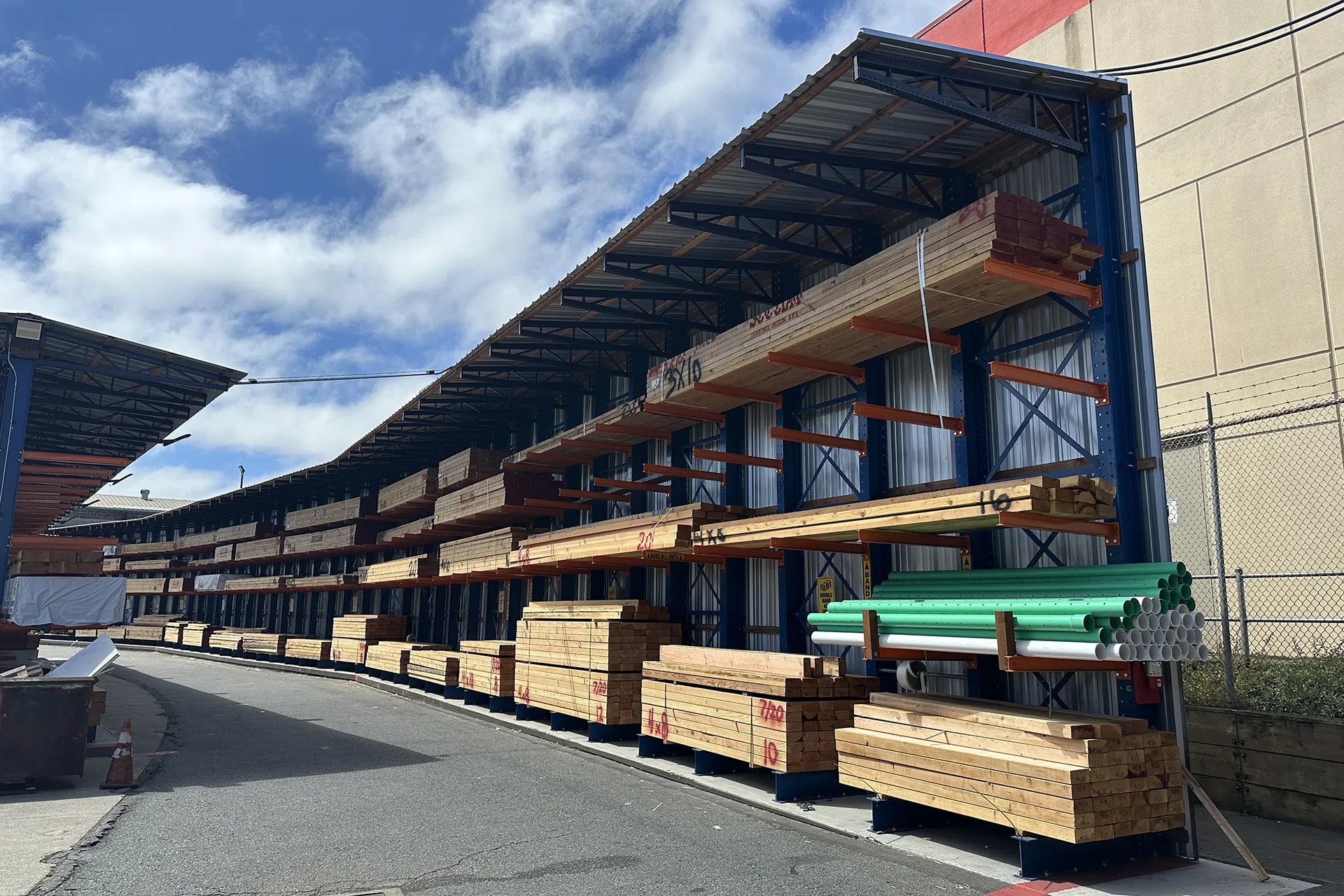
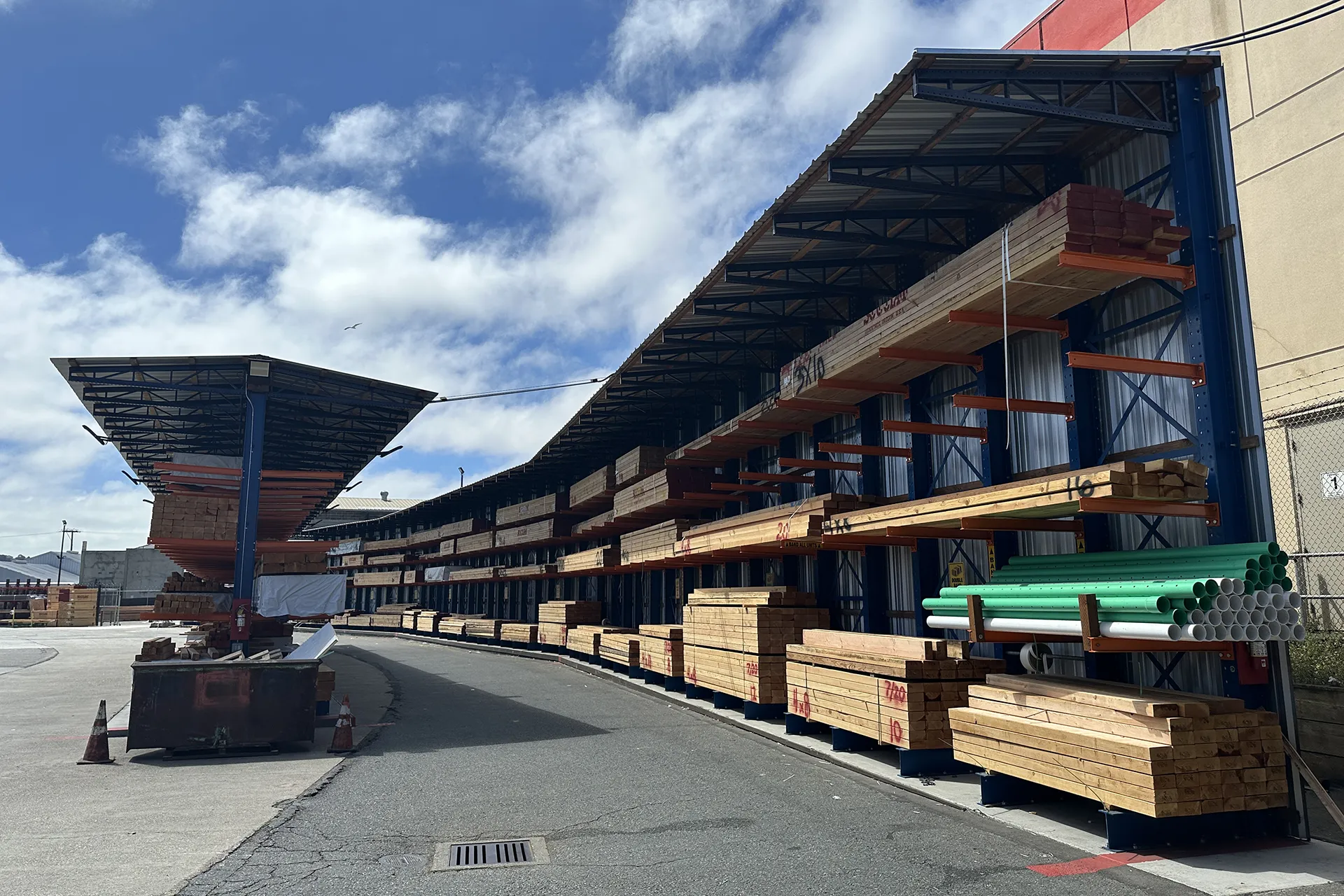
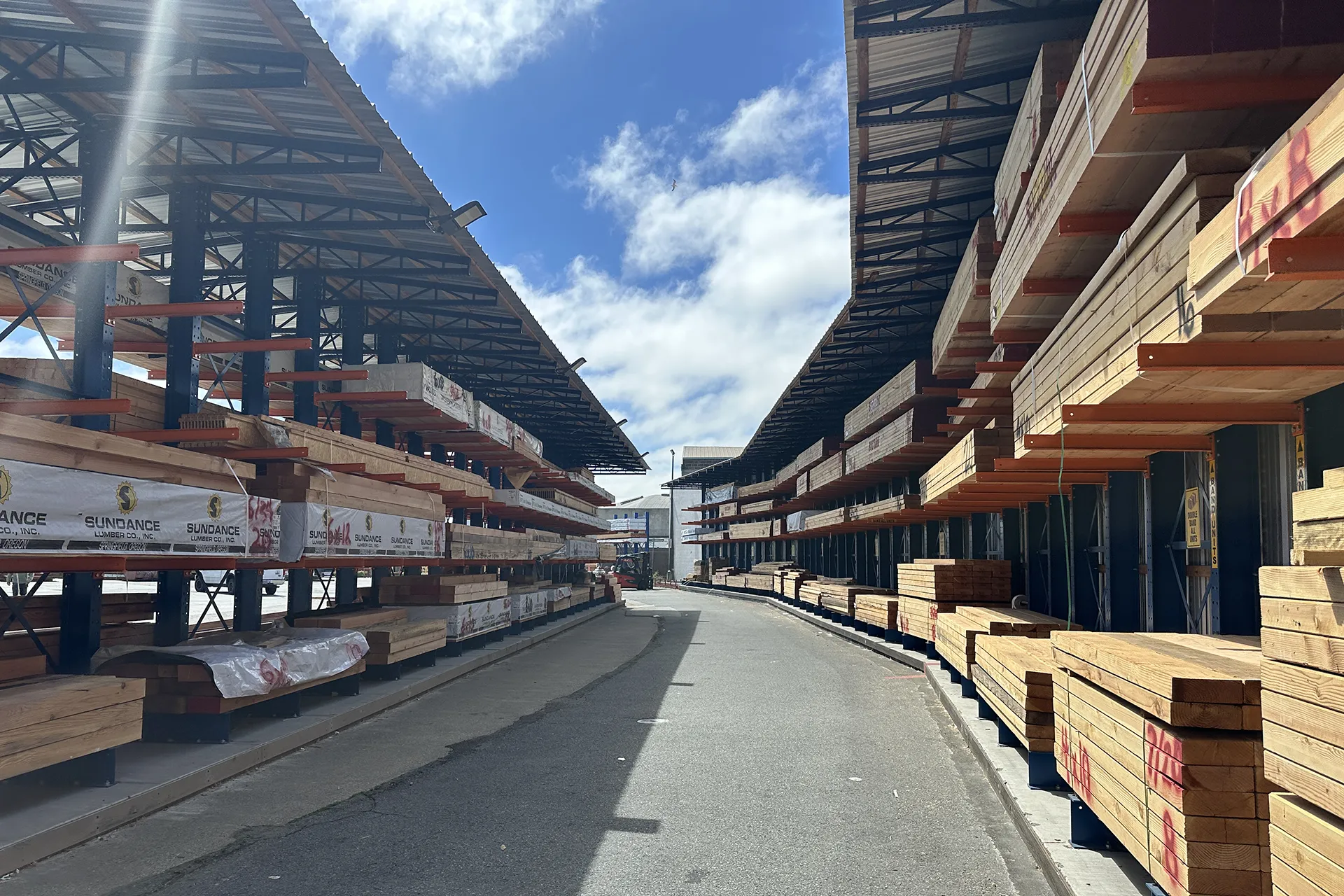
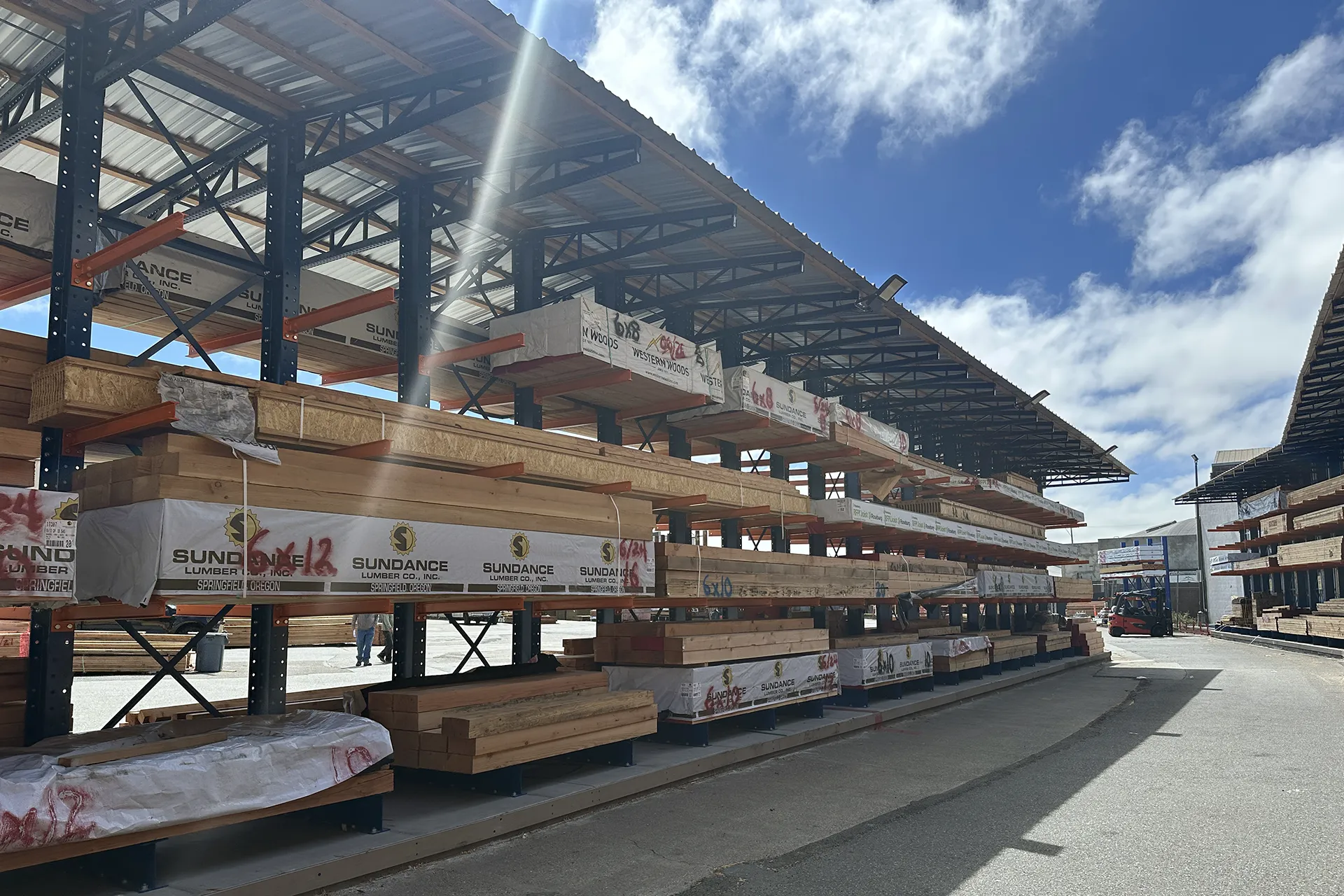
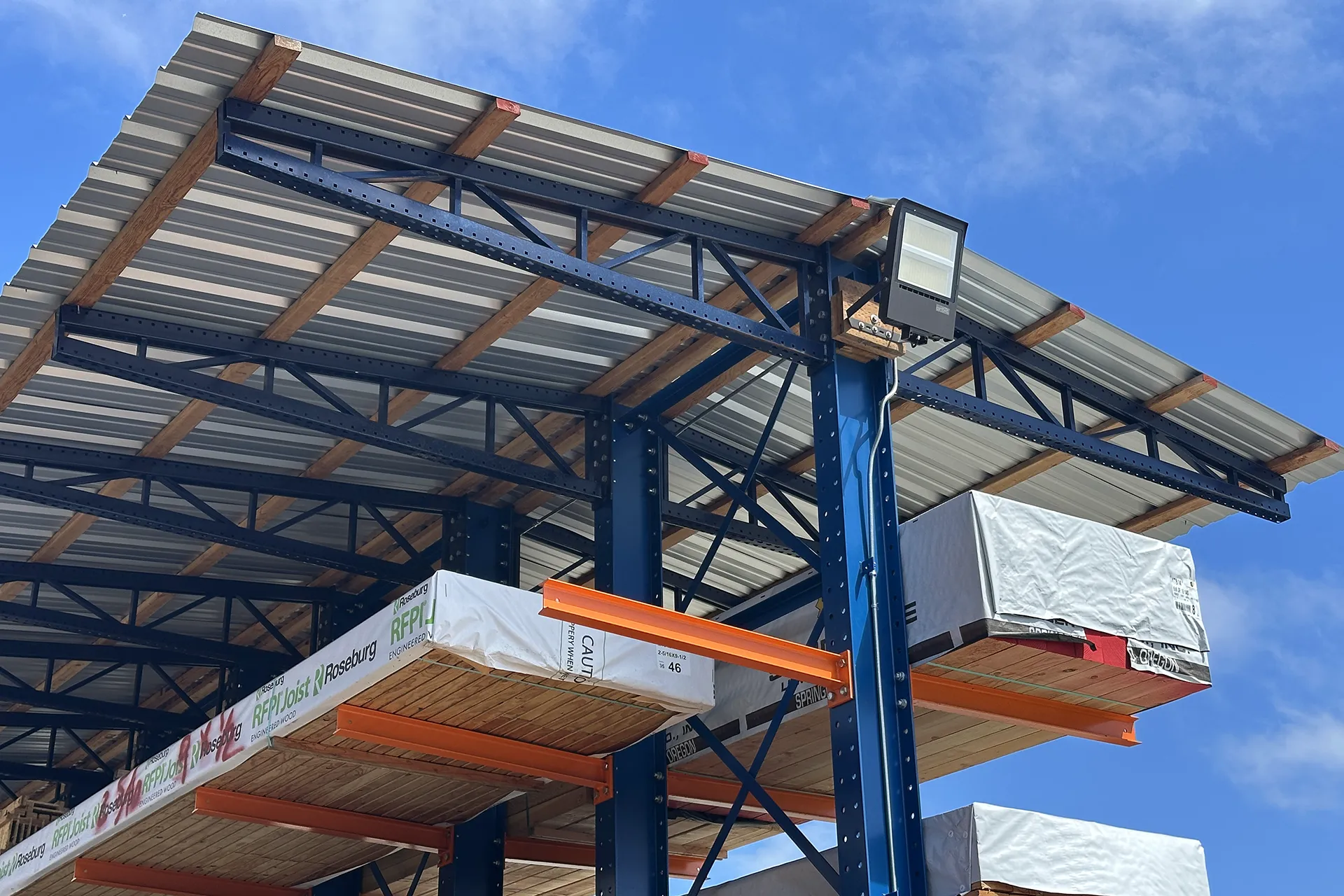
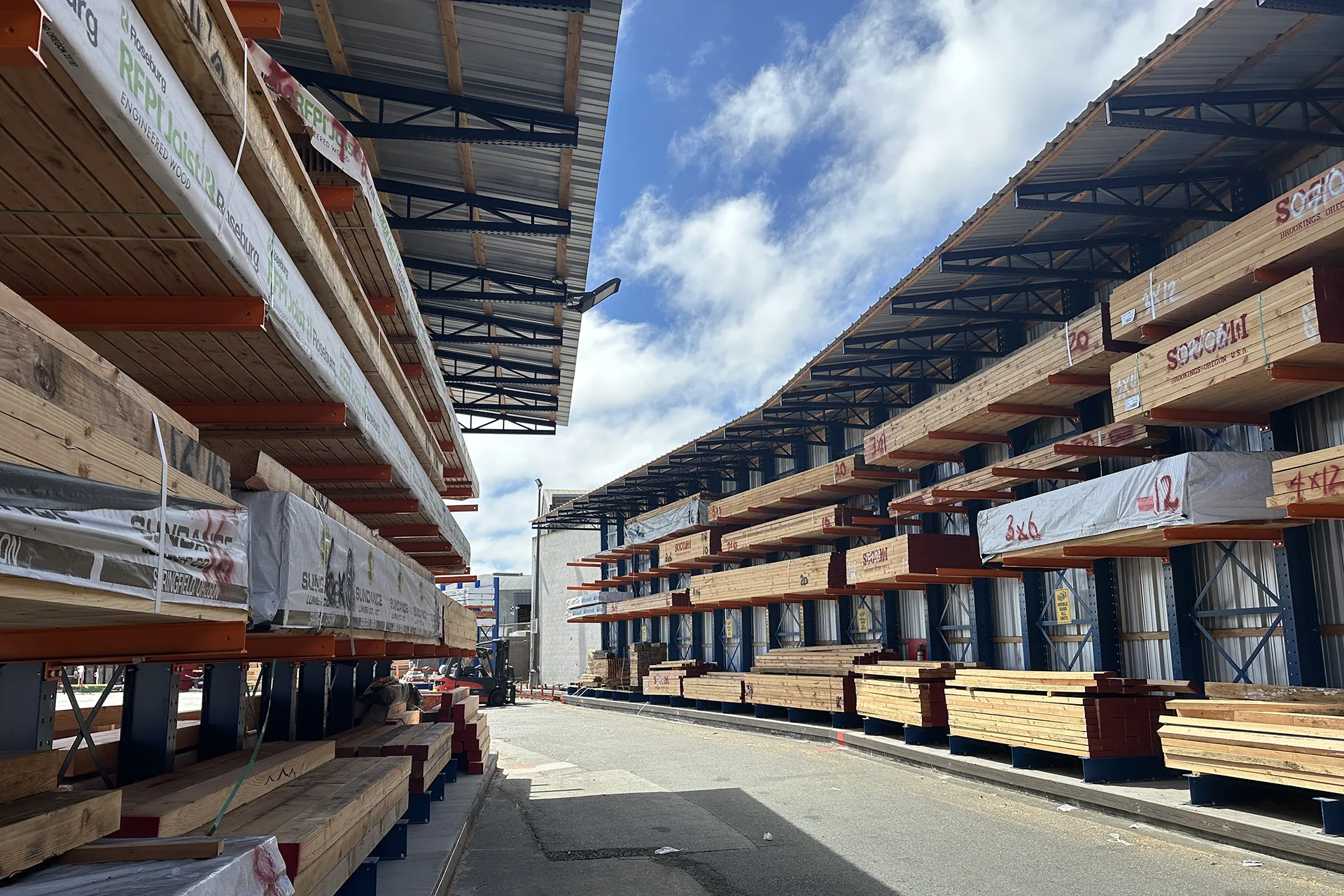
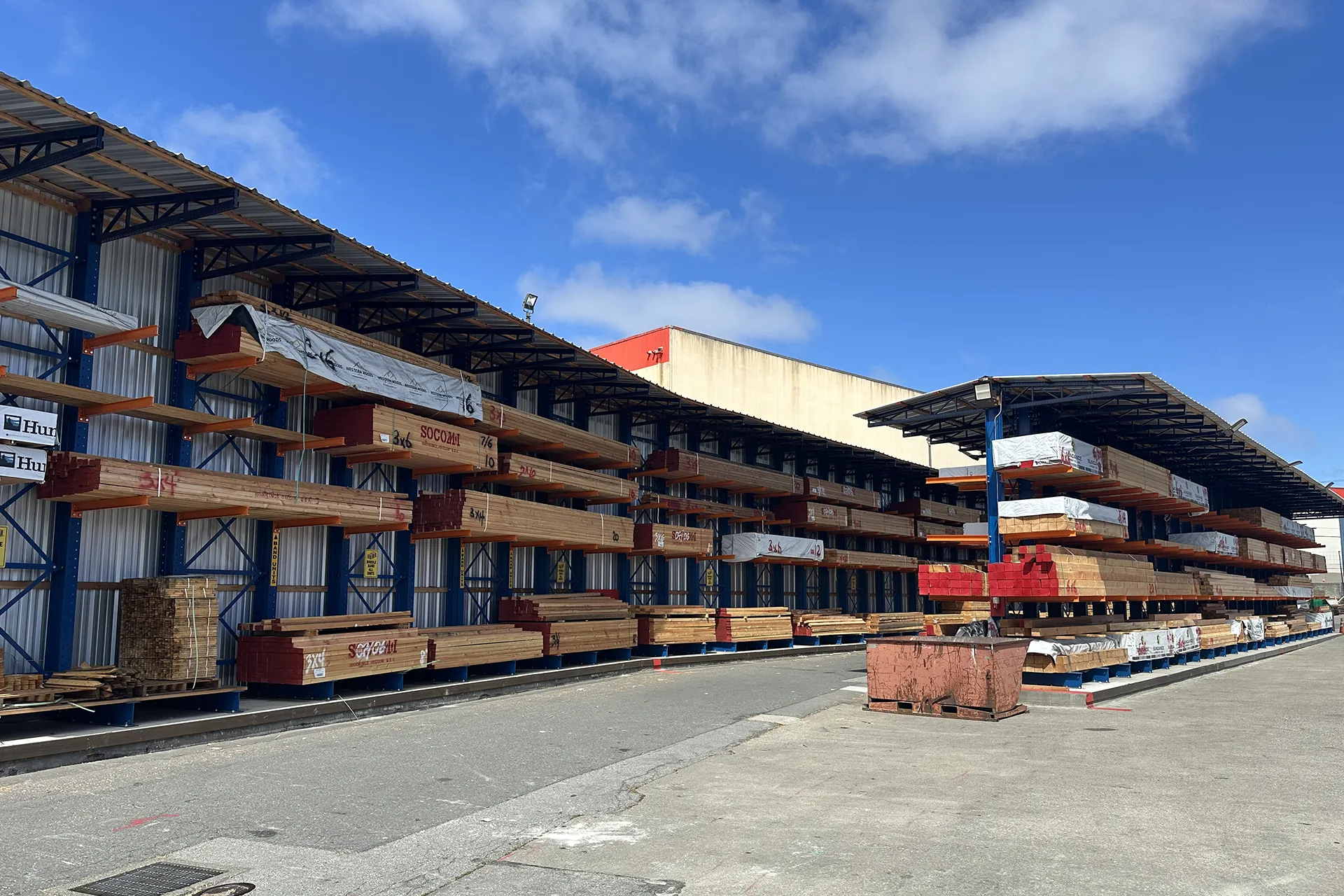
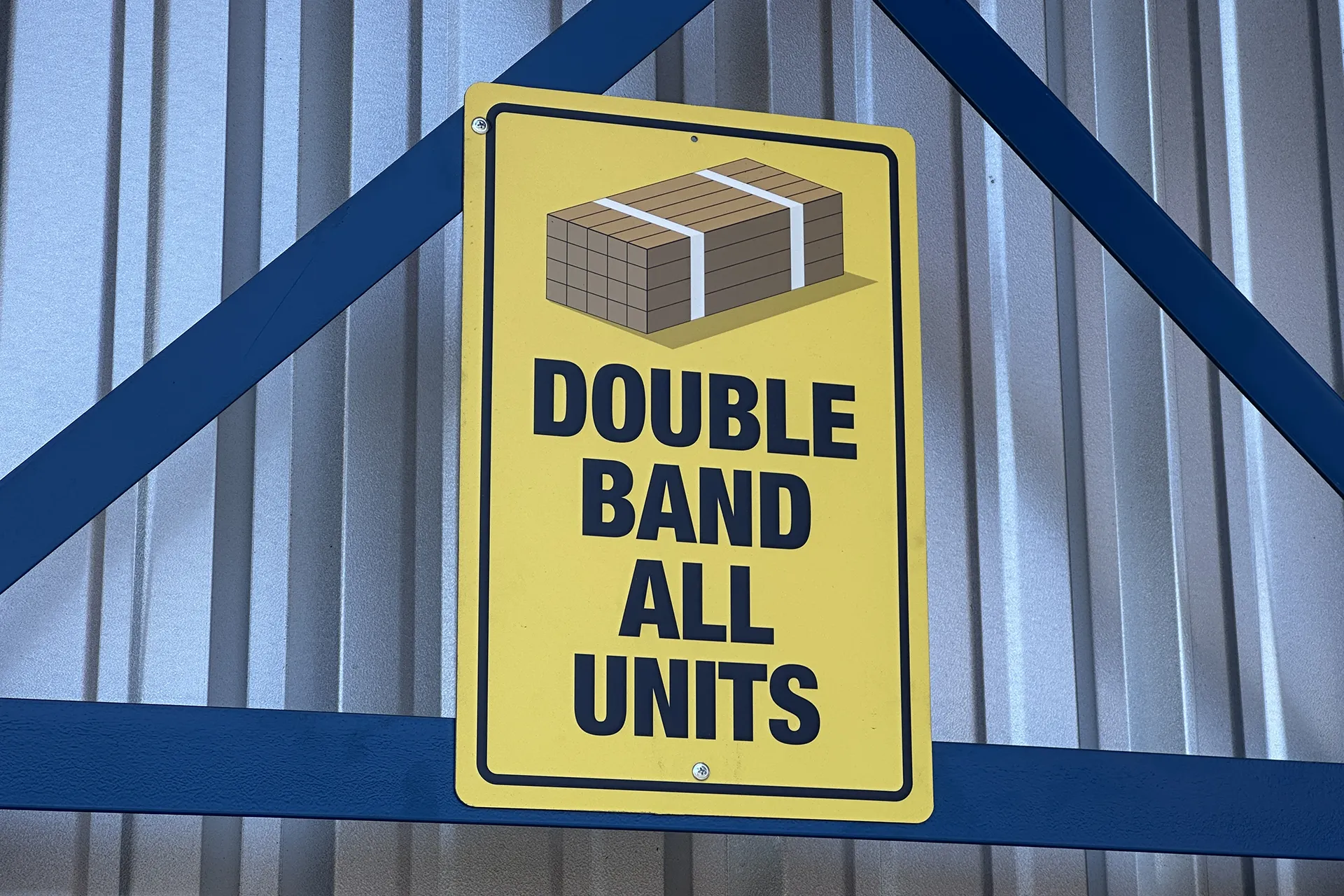
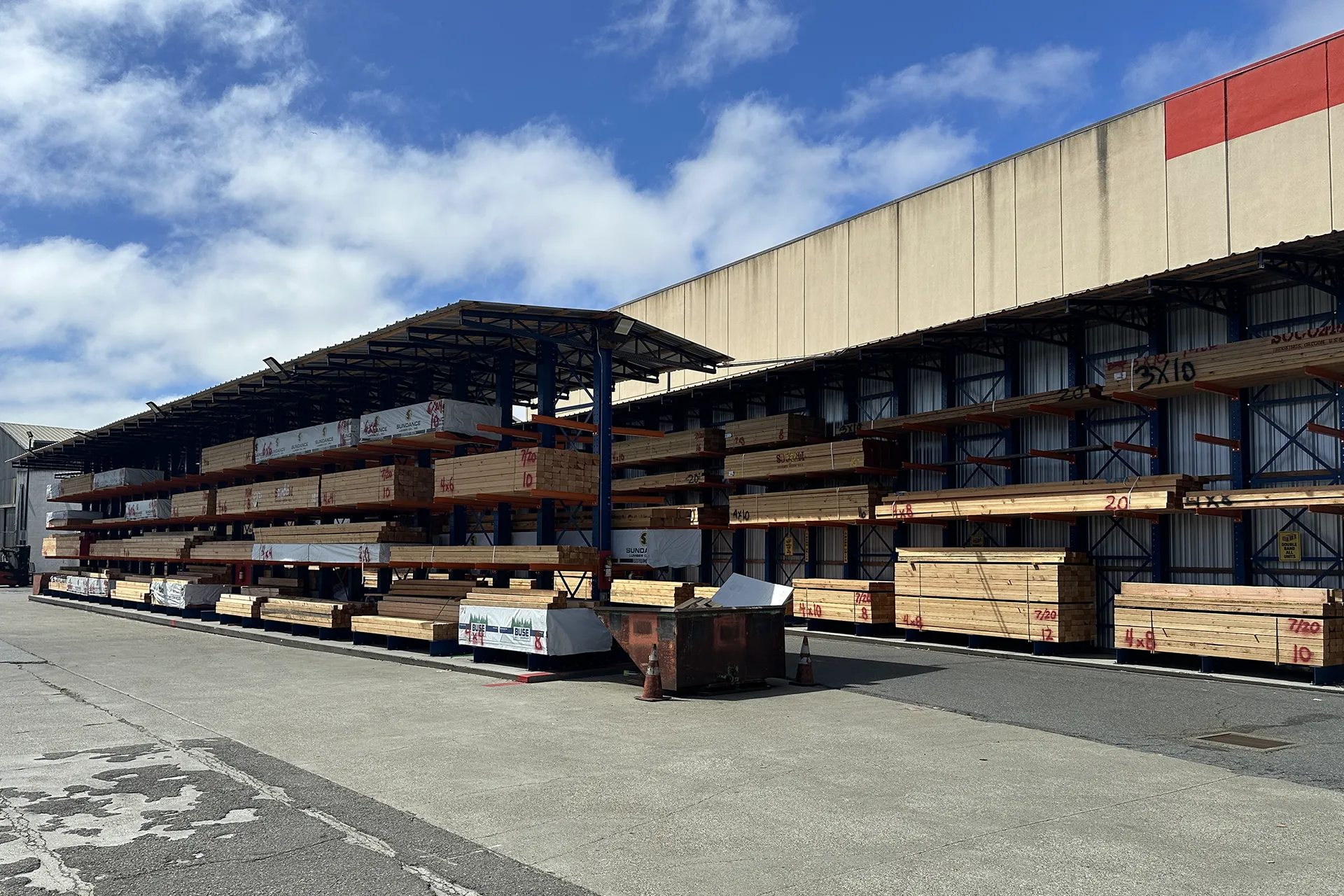
Lumber Company says: “Working with Speedrack West team has been a real pleasure. They made the whole process smooth and straightforward, and we’re 100% planning to come back again—which we actually just did recently.”


Derek Patterson says: “I would suggest that there should be no hesitation…from placing an order to getting everything delivered in such a timely manner. I had racking within 7 days compared to 4 to 6 weeks elsewhere. The customer service level is fabulous.”
Need Warehouse Help in Atlanta? Let’s Talk.