


Lake Oswego, OR and the surrounding area
Pallet Racking in Lake Oswego, OR
Get the pallet racks that Lake Oswego warehouses need, from selective rack to heavy-duty structural systems, engineered to Oregon's building code and Clackamas County requirements. We supply the pallet rack installation that Lake Oswego facilities rely on, covering rail car and equipment manufacturing, warehouse and fulfillment operations, and distribution across the west side of the Portland metro. Every system we design accounts for local seismic requirements under the Oregon Structural Specialty Code and ASCE 7. From new facility build-outs to replacing damaged pallet racking, we handle design, permitting, and installation from one shop.


Pallet Racking Delivery to Lake Oswego, OR
Most standard racking orders to Lake Oswego can arrive in as little as
3–5 DAYS
Actual delivery times vary. Large projects, structural systems, and permit-tied orders may take longer. We ship from multiple U.S. locations – once we see your scope, we’ll give you a real lead time.
Our Services in Lake Oswego, OR
Inspection Scope
Full Rack Audit
Local Standard
OSSC + ASCE 7
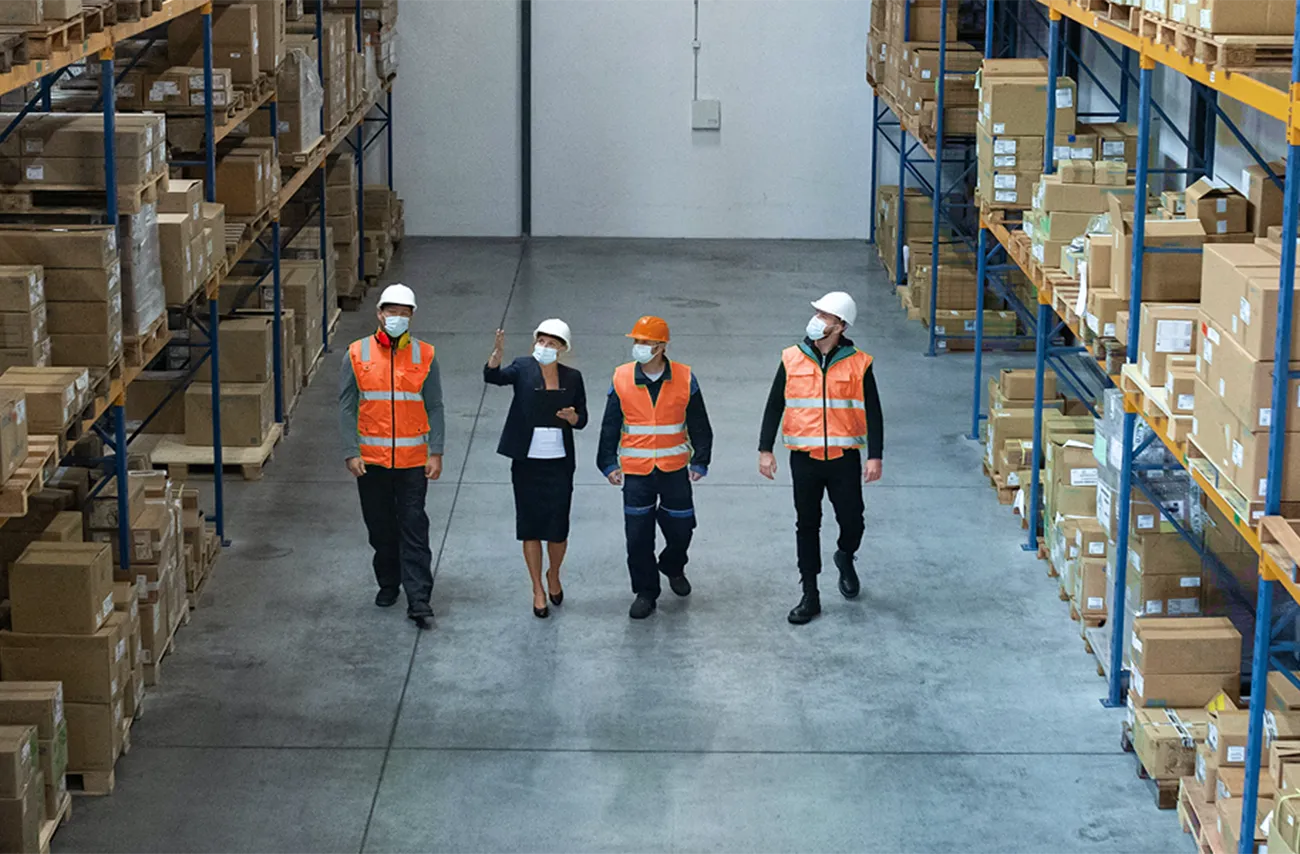
We inspect existing pallet racking systems in Lake Oswego facilities for damage, misalignment, and overloaded beams. Our crews document every column, brace, and connection point, then issue a report your team can act on. This service covers rail car component storage, warehouse operations, and general distribution racking across Clackamas County. Inspections don’t require a shutdown of receiving or shipping activity.
Crew Type
Our Own Installers
Lead Time
3-5 Days
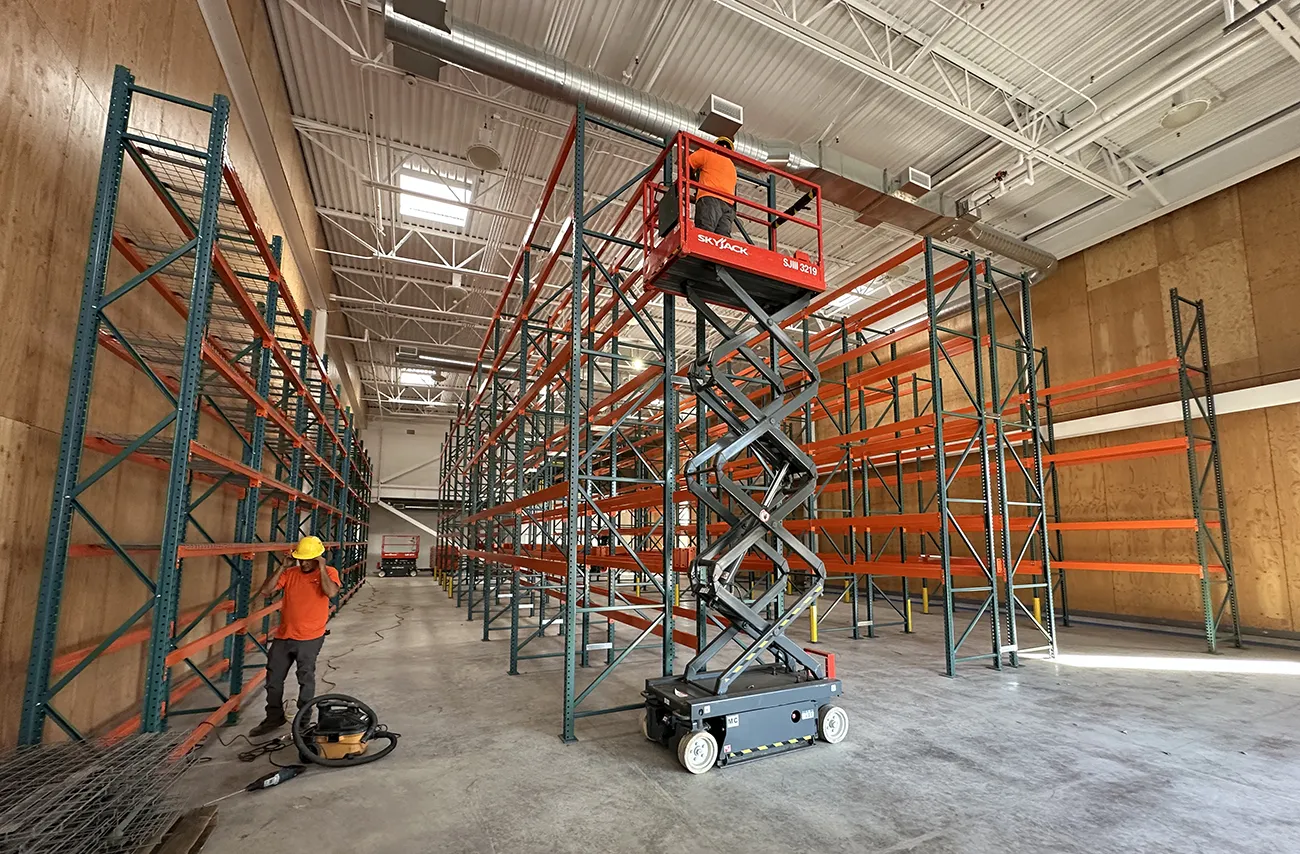
Our crews install pallet racking systems throughout Lake Oswego and greater Clackamas County, from single-run selective rack to multi-level structural systems. Anchoring follows Oregon Structural Specialty Code and ASCE 7 seismic requirements on every job. We coordinate directly with your facility’s schedule to avoid downtime during receiving hours. Installation includes anchor verification and a final walk-through before handoff.

Local Authority
Lake Oswego Building Division
Review Path
Fire Marshal Review
We prepare and submit permit packages for pallet racking installations in Lake Oswego, working directly with the City of Lake Oswego Building Division. High-piled storage projects also route through fire marshal review before installation begins. We track plan review status through the city’s e-permitting system so you’re not left guessing. Permitting is handled alongside your project timeline, not as a separate step.
Shop Our Products




Discover
300+
products
Warehouse Racking Built for the Lake Oswego Market
Warehouse Racking Built for the Lake Oswego Market
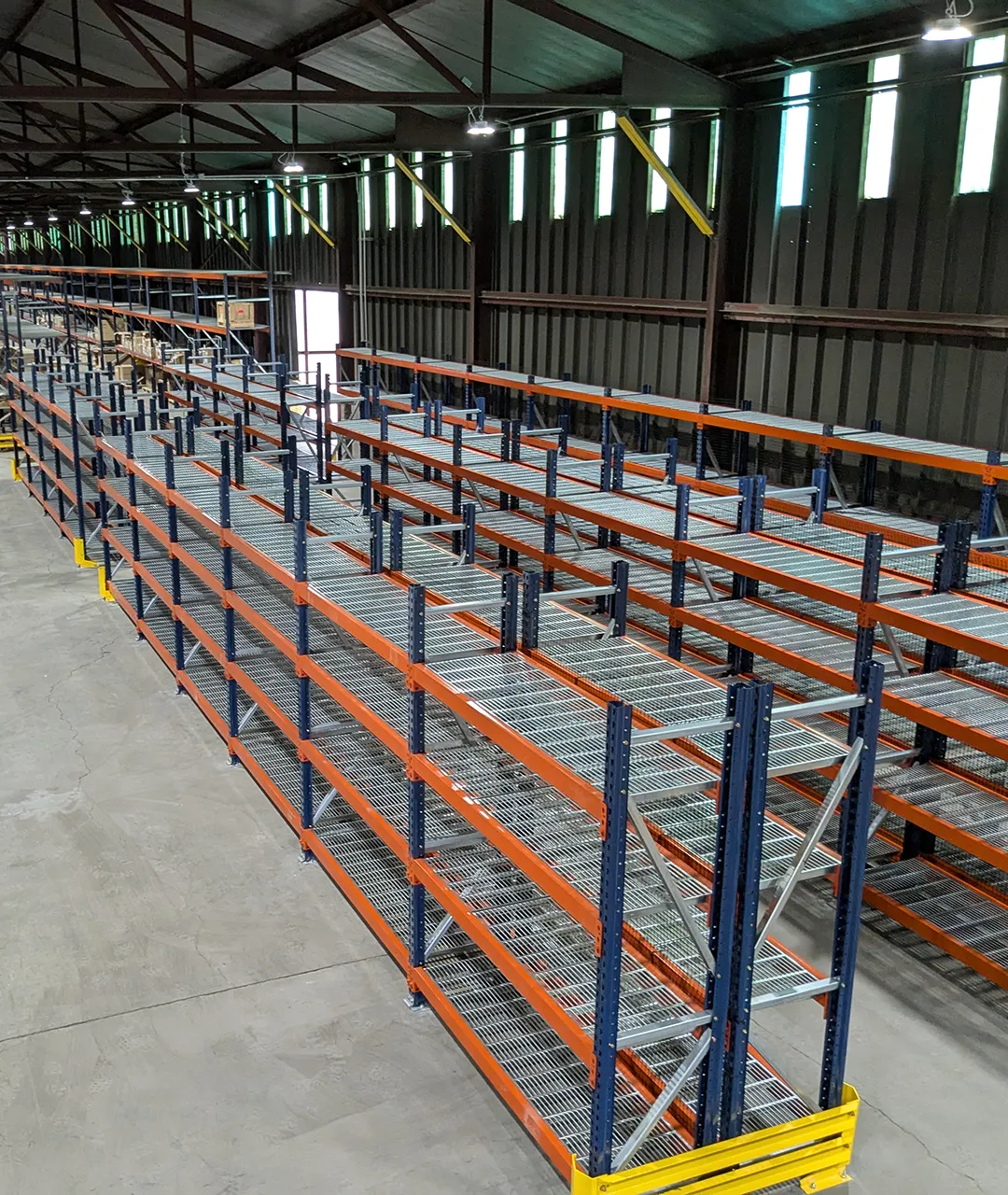
Lake Oswego sits along the Willamette River in Clackamas County, home to rail car and heavy equipment manufacturing alongside a growing base of warehouse and fulfillment operations. We size pallet racks and warehouse racking for the mixed-load, multi-industry facilities that define this corridor.
Every system we anchor here meets Oregon’s seismic requirements before your first pallet goes on the beam. That means fewer surprises during city plan review and a faster path to occupancy.
From selective rack to heavy-duty structural cantilever, we supply warehouse shelving and racking sized to your facility’s ceiling height and load class. Clackamas County operations get the same design, permitting, and installation service from a single point of contact.

Requirements and Regulations Specific to Racking in Lake Oswego, OR
In most cases, yes. Racking that’s anchored to the slab, exceeds standard height thresholds, or qualifies as high-piled storage requires plan review through the city before installation begins.
Who You'll Work With
Why This Matters for Lake Oswego Operations
Key Requirements
-
Permit Requirement:
Pallet racking installations in Lake Oswego typically require a building permit, consistent with the city’s general permit requirement for construction and structural work.
-
Application:
Permit applications are submitted through the City of Lake Oswego Building Division.
-
Seismic Design Category:
Lake Oswego falls under the Oregon Structural Specialty Code, which adopts ASCE 7 for seismic design loads on racking and other structures.
-
Engineering:
Racking anchorage must be engineered to meet these seismic load requirements regardless of building age or rack height.
-
High-Piled Combustible Storage:
High-piled storage in Lake Oswego is subject to fire marshal review, with individual storage piles required to meet size and separation standards. Specifically, this review is triggered when the top of the storage exceeds 12 feet in height for general combustible materials, or 6 feet in height for high-hazard commodities such as rubber tires, Group A plastics, flammable liquids, and idle pallets.
-
Sprinkler Coordination:
Racking layout must be coordinated with existing sprinkler design before installation, particularly where storage height changes clearance requirements.
-
Load Capacity:
Rack load capacity is set per section based on the beam and upright specifications of your specific system, not a blanket citywide number.
-
Anchoring:
Anchoring must account for both the seismic loads under ASCE 7 and the floor slab conditions at your facility.
-
General Duty Clause:
OSHA’s General Duty Clause requires racking to be maintained in a condition that doesn’t create a hazard to workers, independent of any local permit.
-
Ongoing Compliance:
Capacity labels, periodic inspection, and prompt repair of damaged components keep a system compliant after installation.
-
Pre-Install Engineering Review:
Before any steel ships, our team audits your order against your site dimensions, forklift class, and pallet specs. We catch specification errors before they leave our facility – and we document everything so your receiving team knows exactly what to expect at the dock.
-
Post-Install Verification:
After installation, we walk the completed system with your team to confirm anchoring, level, and plumb before it goes into service.
-
Zoning Compliance:
Storage and warehouse use in Lake Oswego is governed by the city’s Community Development Code, with use regulations under LOC 50.03 determining what’s allowed in a given zone.
-
Site-Specific Checks:
Confirming your site’s zone designation before ordering racking avoids conflicts with use restrictions later in the permit process.
Custom Racking for Lake Oswego Industries
Lake Oswego’s economy runs on a mix of heavy industry, warehousing, and regional distribution. Here’s where pallet racking fits into each.
Heavy Industry & Fabrication
Logistics & Other Distribution
Food, Beverage & Cold Storage
We are Lake Oswego’s largest pallet rack and material handling distributor!
What Pallet Rack type is right for you?
In Lake Oswego, OR, the right racking system depends on your industry, throughput, and facility layout. Rail car and equipment manufacturing, warehouse and fulfillment operations, and Clackamas County distribution each call for a different rack configuration. If you’re not sure which fits, that’s the conversation we want to have first.
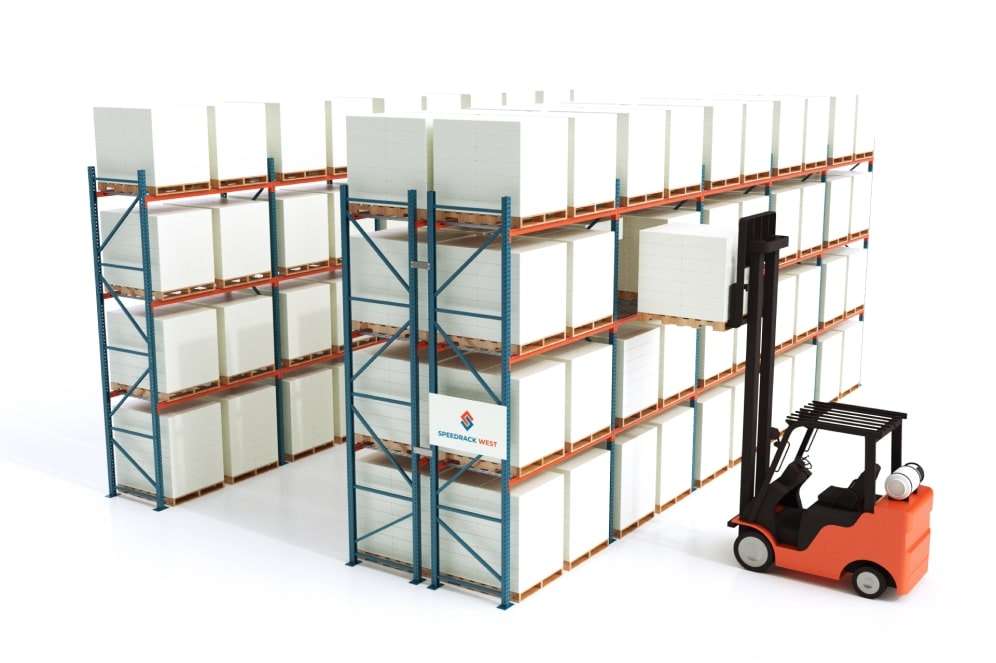
Selective Pallet Racks
The most common type of pallet racking system. It provides direct access to each pallet, making it suitable for warehouses with a wide variety of products.
Advantages
Flexibility, ease of access, and compatibility with most types of forklifts.
Compliance
Must meet structural and seismic requirements as outlined in the local building codes and ASCE 7 standards.
Advantages
Flexibility, ease of access, and compatibility with most types of forklifts.
Compliance
Must meet structural and seismic requirements as outlined in the local building codes and ASCE 7 standards.

Drive-In/Drive-Through Racks
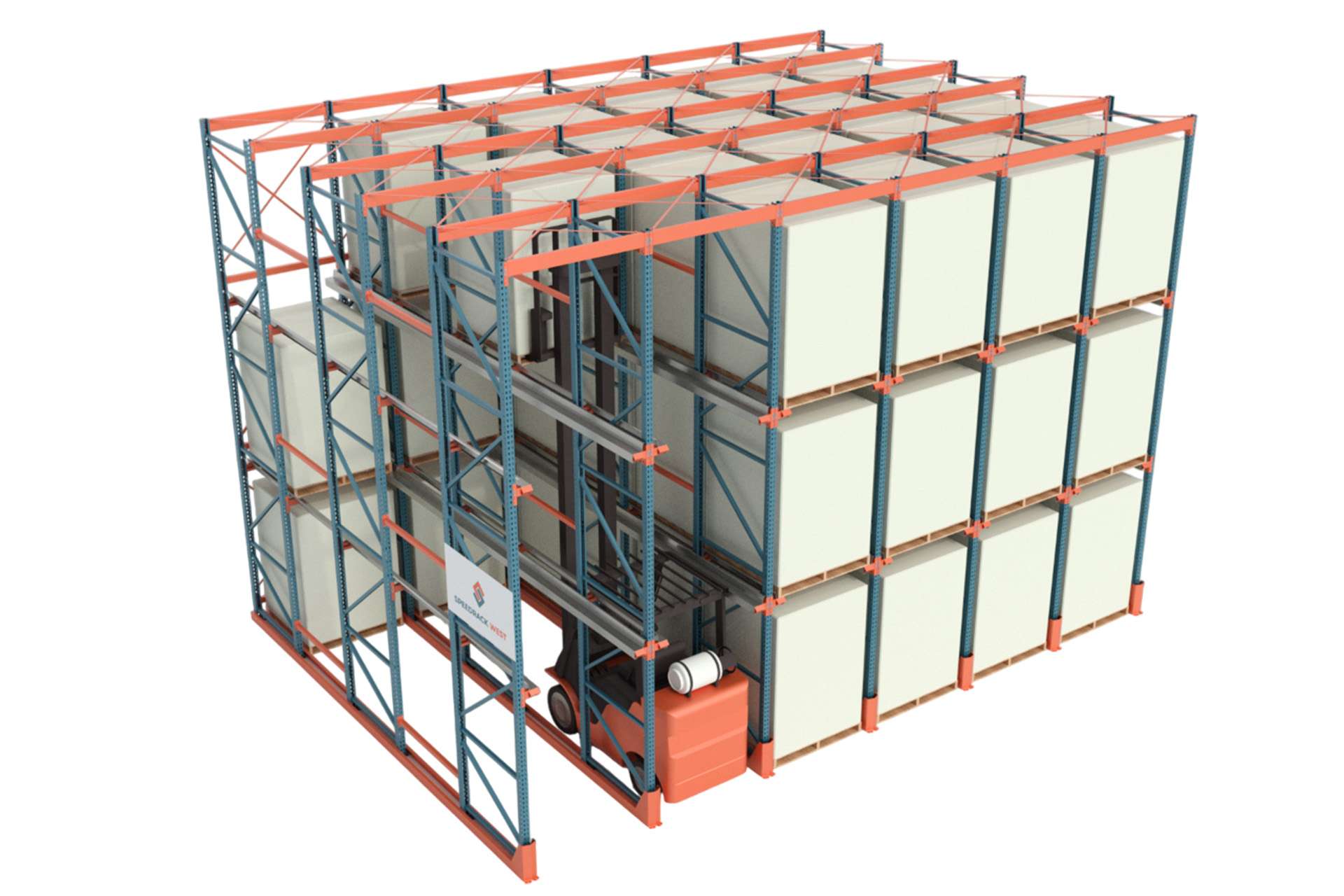
Designed for high-density storage, allowing forklifts to drive directly into the rack to place or retrieve pallets. Drive-In racks have one entry and exit point, while Drive-Through racks have entry and exit points on both sides.
Advantages
Maximizes storage space by reducing aisle space.
Compliance
Requires careful design and anchorage to meet safety standards, especially in seismic zones.
Advantages
Maximizes storage space by reducing aisle space.
Compliance
Requires careful design and anchorage to meet safety standards, especially in seismic zones.

Push-Back Racks
A high-density storage system where pallets are loaded from the front and pushed back on inclined rails. When a pallet is removed, the next pallet automatically moves forward.
Advantages
Increases storage density while providing better access to products compared to drive-in racks.
Compliance
Needs to adhere to local structural requirements and periodic inspections for safety.
Advantages
Increases storage density while providing better access to products compared to drive-in racks.
Compliance
Needs to adhere to local structural requirements and periodic inspections for safety.

Pallet Flow Racks
Utilizes gravity flow lanes to move pallets from the loading side to the picking side. Ideal for first-in, first-out (FIFO) inventory management.
Advantages
Efficient for warehouses with high turnover rates and expiration-sensitive products.
Compliance
Requires detailed structural analysis and compliance with seismic bracing standards.
Advantages
Efficient for warehouses with high turnover rates and expiration-sensitive products.
Compliance
Requires detailed structural analysis and compliance with seismic bracing standards.
Designing Your Pallet Rack
Try our Pallet Rack Builder to design your system and get instant final pricing upon checkout.
Try Pallet Rack BuilderDo you serve other cities in Clackamas County besides Lake Oswego?
Yes. We provide pallet rack Clackamas County Oregon customers need, covering West Linn, Milwaukie, Oregon City, and Tigard as well.
How does Oregon’s seismic code affect pallet racking installation here?
The Oregon Structural Specialty Code adopts ASCE 7 seismic design requirements statewide, including Lake Oswego. Every rack we install is anchored to meet that standard, regardless of building age.
Does Lake Oswego zoning affect where pallet racking can be installed?
Yes. Use regulations under the city’s Community Development Code determine what storage activity is allowed in a given zone, so we confirm zoning before finalizing a layout.
Key Notions
Pallet racks are known throughout the industry by many names. Below are some of the more common terms that are used interchangeably for pallet racking.
- Industrial shelving
- Industrial pallet racks
- Stacking Rack
- Warehouse shelving
- Industrial racking systems
- Load-bearing Rack
- Warehouse racking systems
- Pallet rack systems
- Bulk Storage Rack
- Warehouse racks
- Pallet racking storage
- Heavy-Duty Rack
- Pallet racking
- Pallet racking uprights and beams
- Pallet Shelving
- Warehouse racking
- Industrial Rack
- Logistics Rack
- Warehouse pallet shelving rack
- Racking System
- Palletized Storage System
- Storage racking
- Shelving Unit
- Freight Storage Rack
- Warehouse storage racks
- Material Handling Rack






Irving Nieves says: “It's been an easy process working with the Speedrack West team, even with the changes partway through.”


Scott Misso says: “Everything works as expected. Designed as it should be. Good job!”


Kyle Gersman says: “I called Bill multiple times a day and he always picked up and was always very helpful. What I really liked is that they pointed out a lot of questions and processes that I didn't even have on my radar going into the move. It helped me expand the scope to an appropriate size of what I needed to consider as we made the transition to a bigger facility.”


Robert Baumgartner says: “Despite picking up this project in the middle of its lifecycle, the transition was flawless thanks to the team’s stellar communication. They exceeded our expectations by delivering the installation earlier than anticipated and hitting every technical requirement. From the sales team’s quick answers to their willingness to make adjustments, the experience was top-tier.”


Consolidated Supply says: “We’re very happy to be your regular client, and it’s always so easy to work with your team”


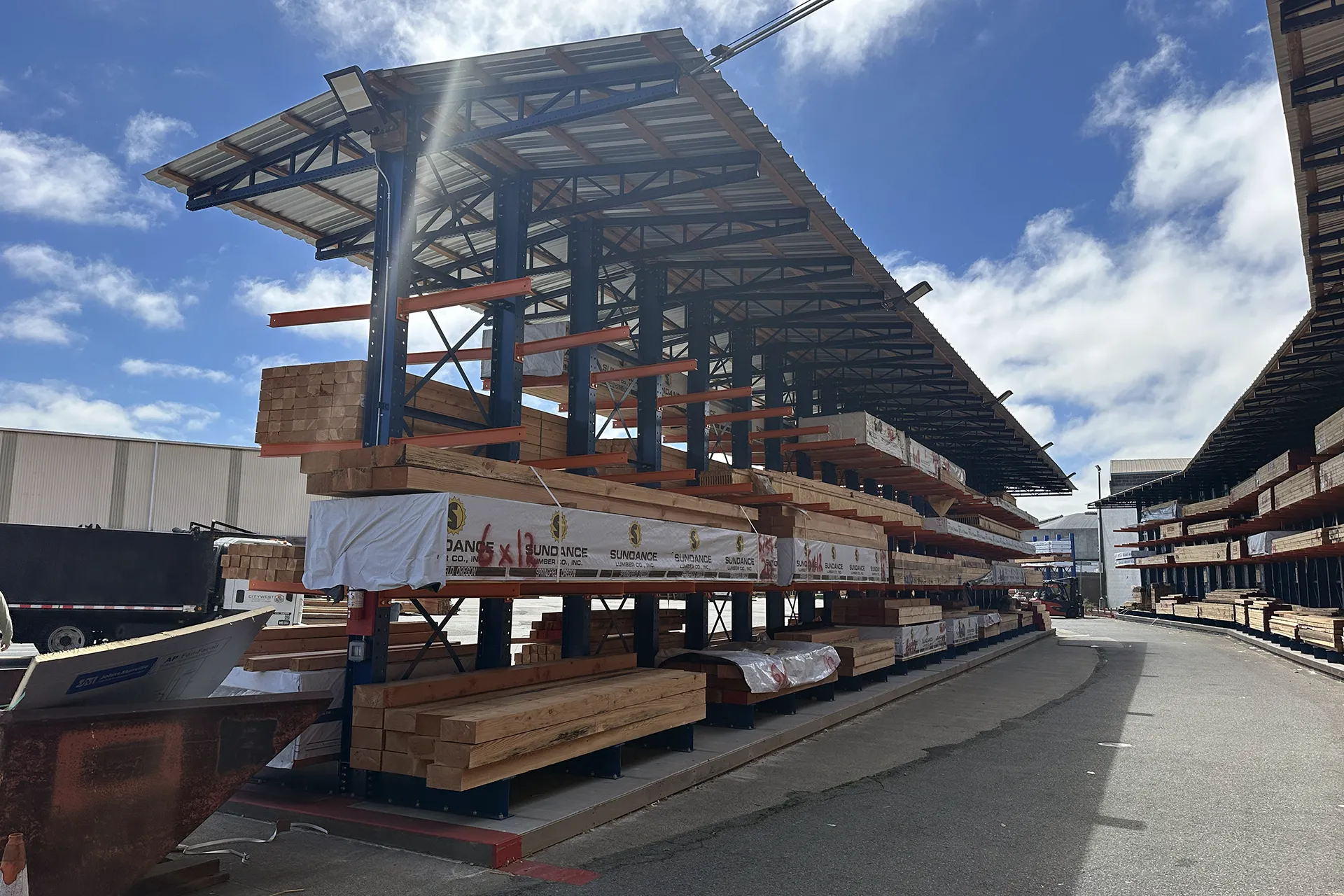
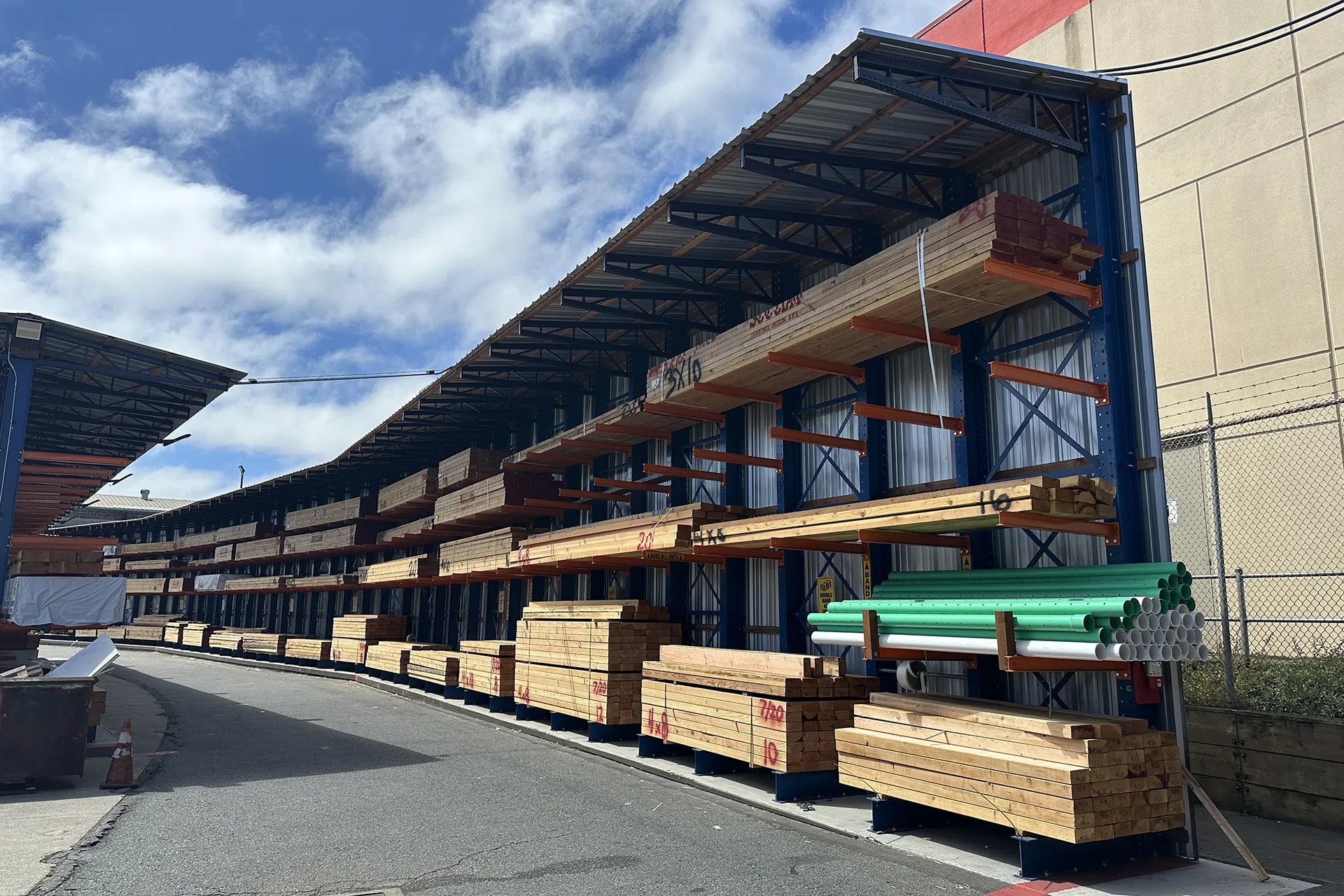
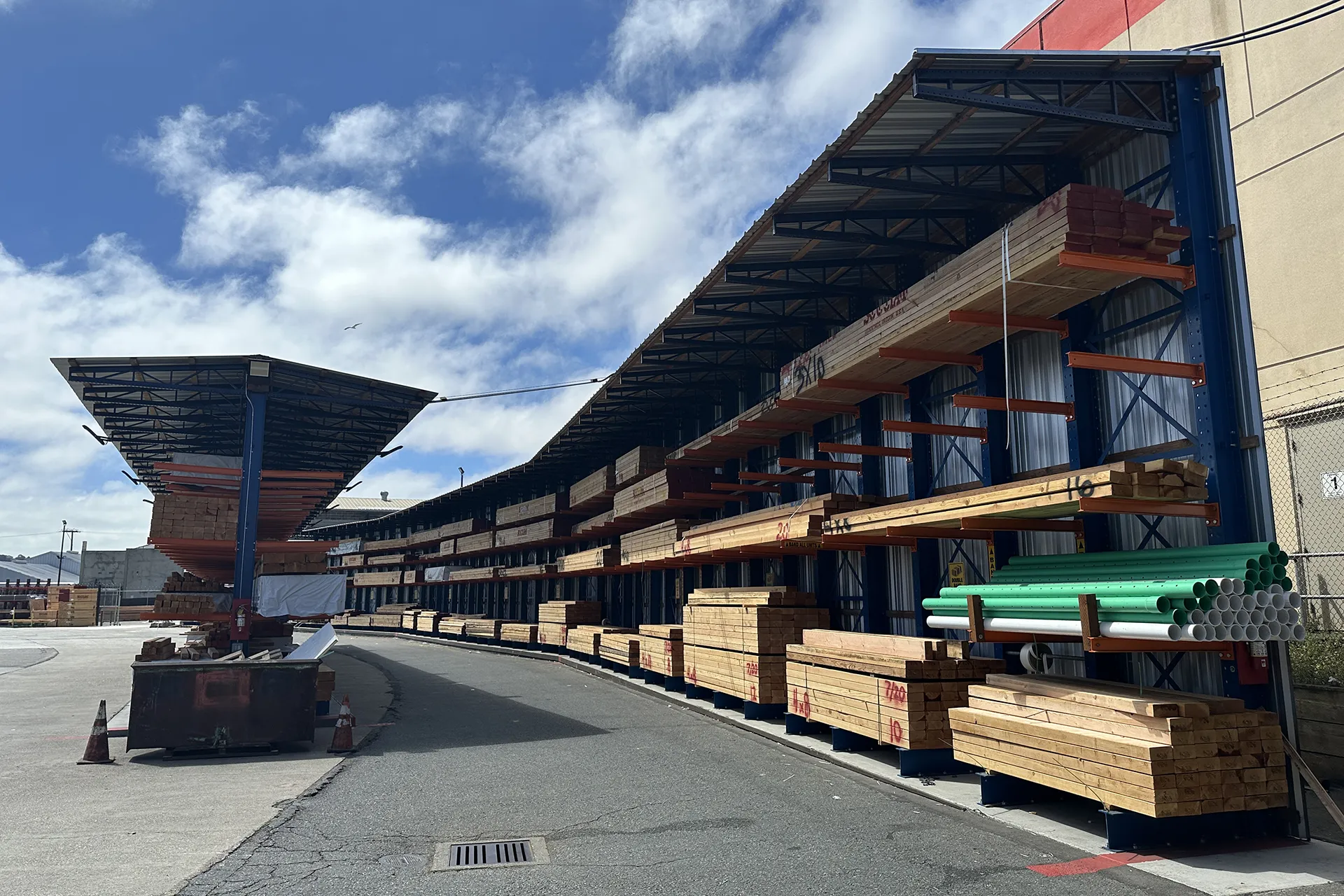
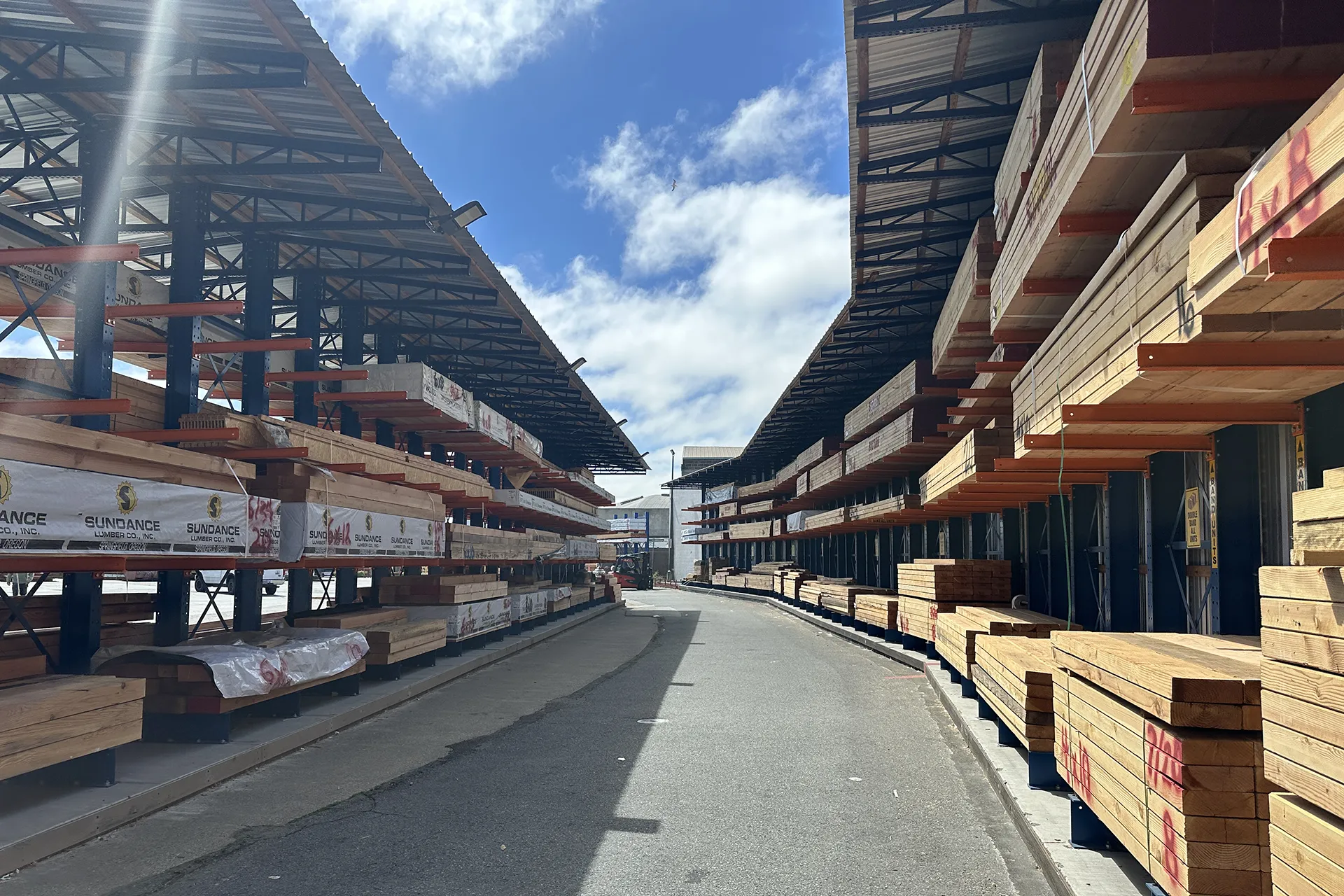
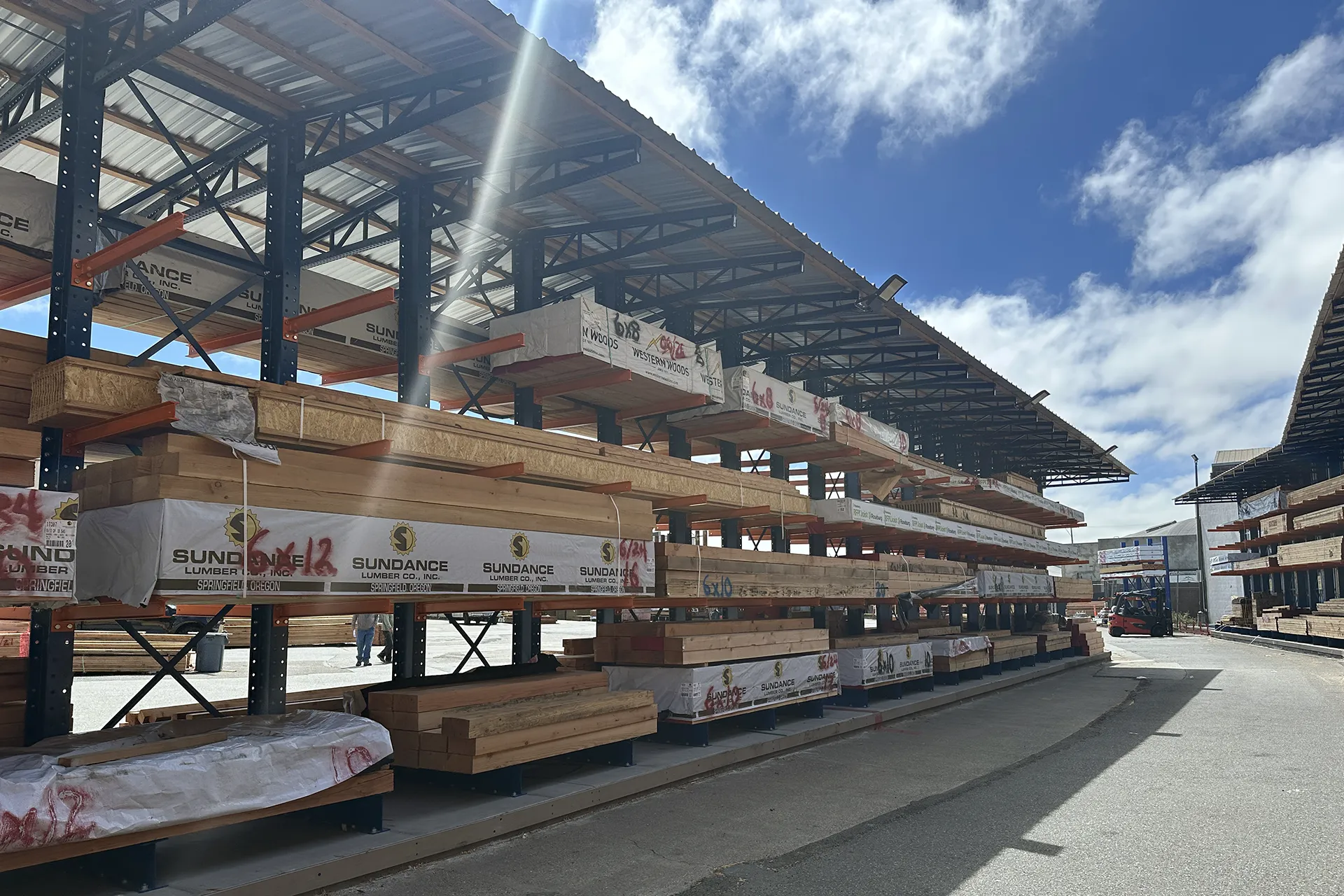
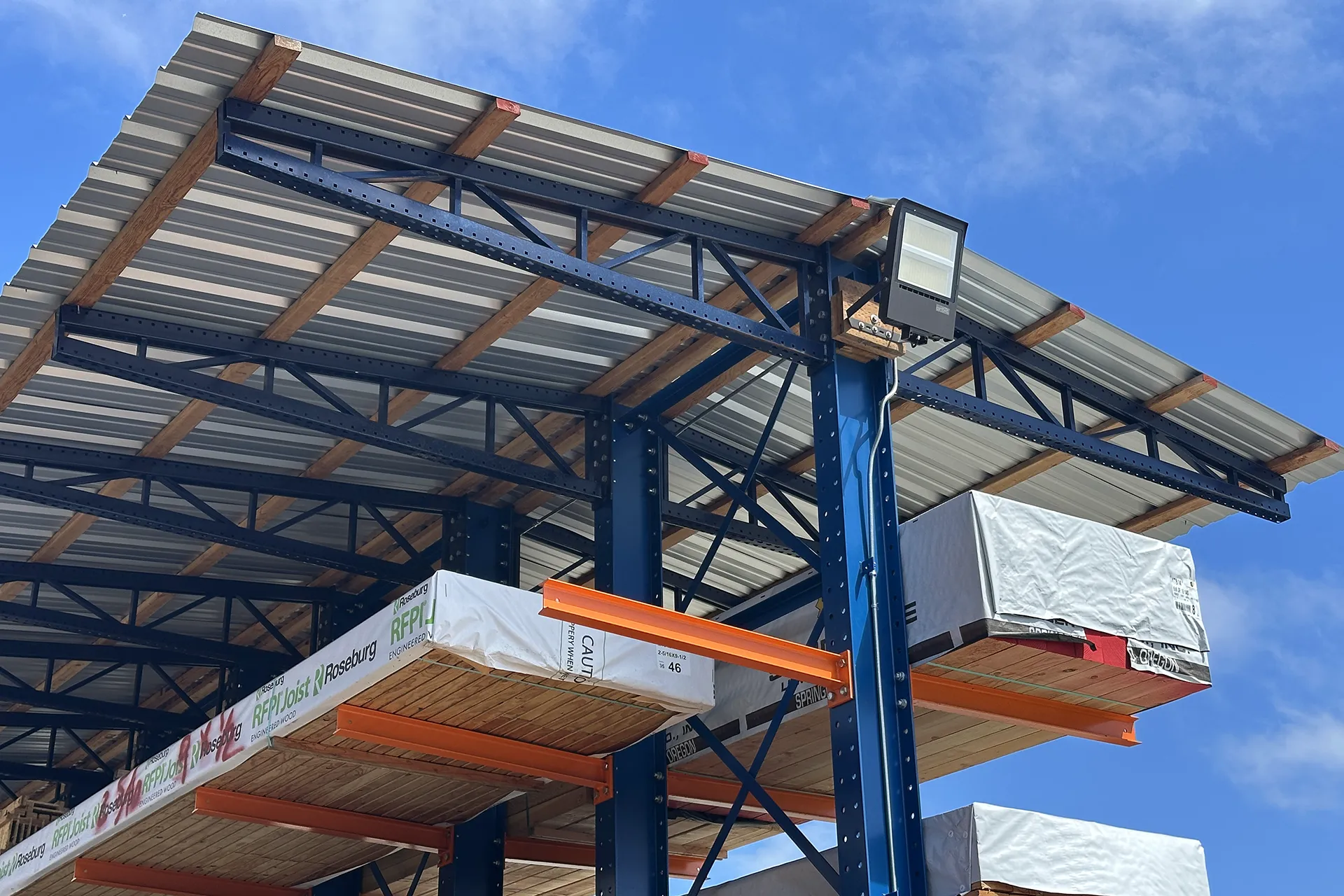
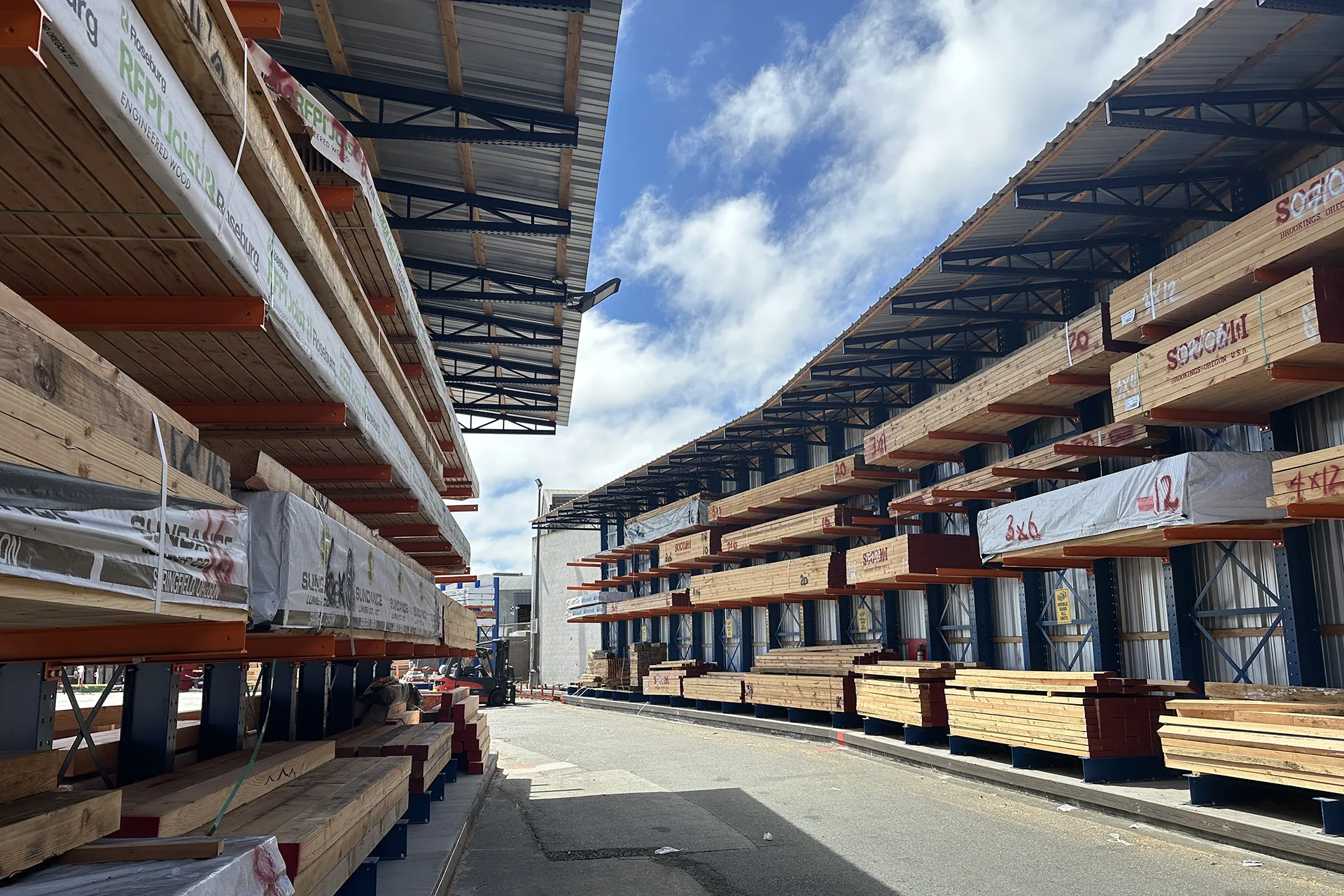
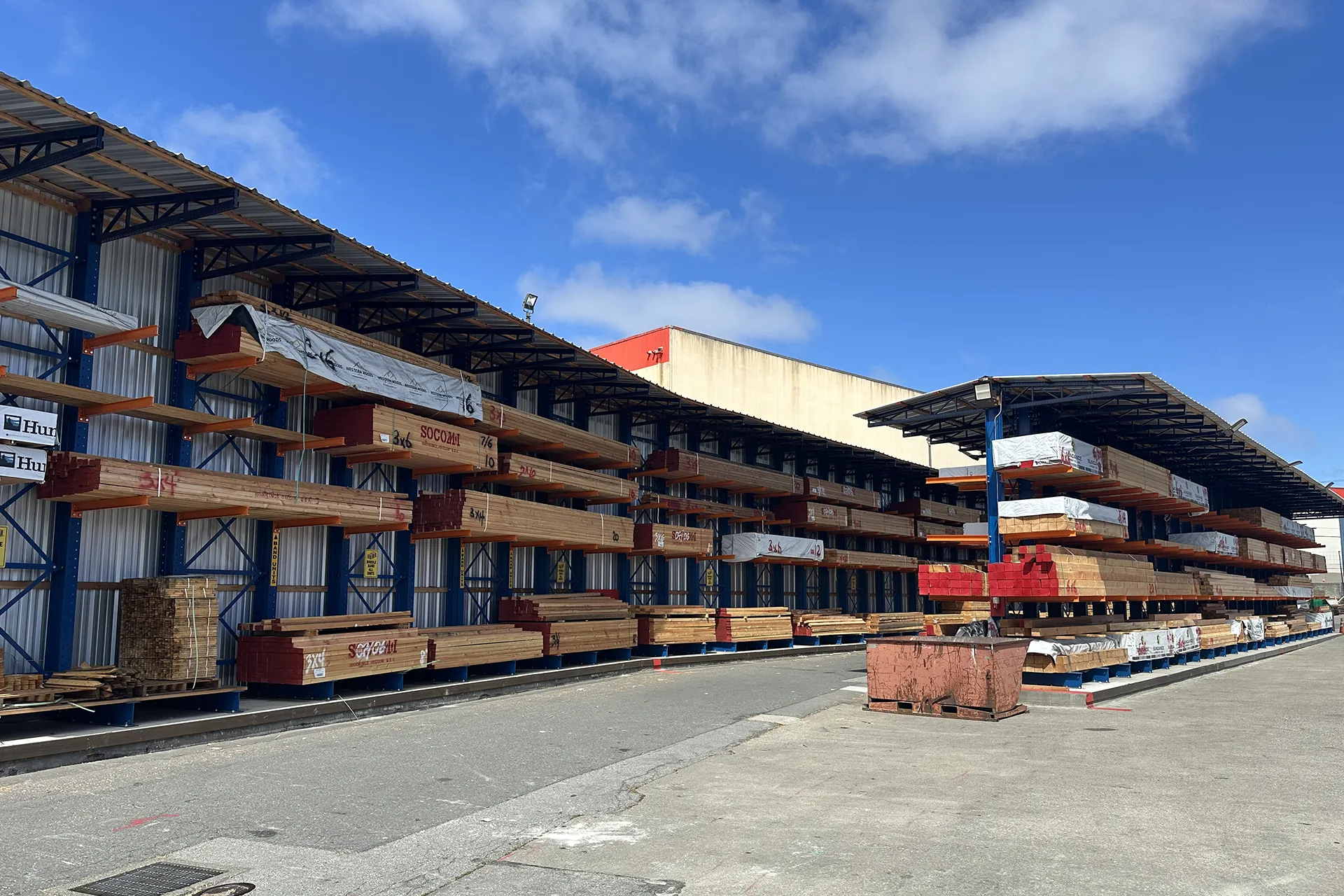
Lumber Company says: “Working with Speedrack West team has been a real pleasure. They made the whole process smooth and straightforward, and we’re 100% planning to come back again—which we actually just did recently.”


Derek Patterson says: “I would suggest that there should be no hesitation…from placing an order to getting everything delivered in such a timely manner. I had racking within 7 days compared to 4 to 6 weeks elsewhere. The customer service level is fabulous.”
Need Warehouse Help in Lake Oswego? Let’s Talk.