


Klamath Falls, OR and the surrounding area
Pallet Racking in Klamath Falls, OR
Get a pallet rack system built for Klamath Falls and the wider Klamath Basin, from single-bay additions to full warehouse layouts. We supply new selective, pushback, pallet flow, drive-in, and structural cantilever rack, plus warehouse shelving and tire racks, all built to Oregon's seismic code. Warehouses running pallet racking in Klamath Falls, Oregon get engineered drawings for the submittal, steel in 3-5 days, and a crew that installs and anchors it. One vendor from layout through post-install verification.


Racking Delivery and Services in Klamath Falls, OR
Most standard racking orders to Klamath Falls can arrive in as little as
3–5 DAYS
Actual delivery times vary. Large projects, structural systems, and permit-tied orders may take longer. We ship from multiple U.S. locations – once we see your scope, we’ll give you a real lead time.
Services We Provide in Klamath Falls
Design Code
OSSC 1705.13.7
Method
Green-Yellow-Red Tagging
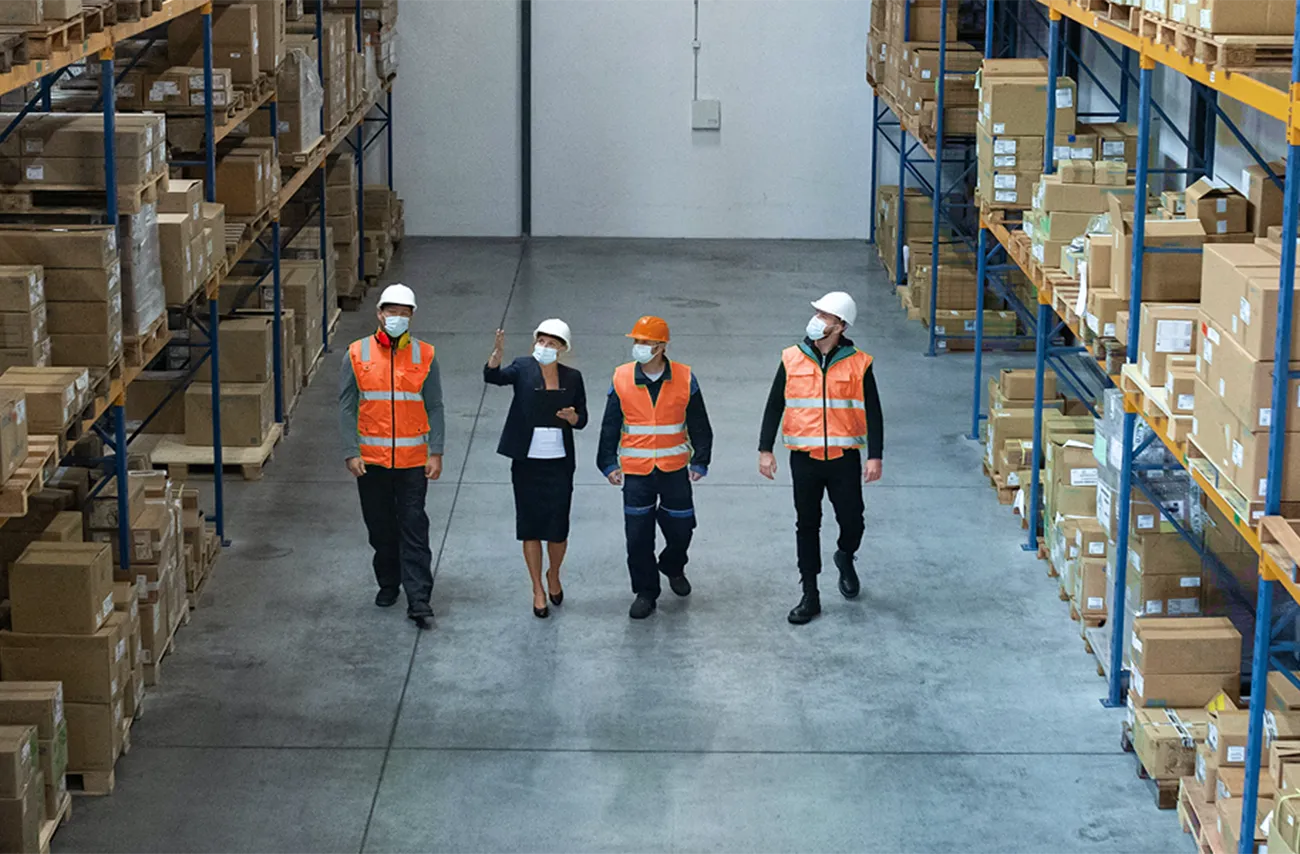
We walk your Klamath Falls racking bay by bay and tag every frame green, yellow, or red so you know what stays loaded, what gets de-rated, and what comes out now. Columns, anchor plates, struts, beams, and frames each get checked and recorded. Findings go into a written report you can hand to a plant manager or an inspector. Our crews work around forklift traffic, so receiving and shipping keep moving during the walkthrough.
Anchoring
Engineered Seismic Anchorage
Coverage
Klamath County Sites
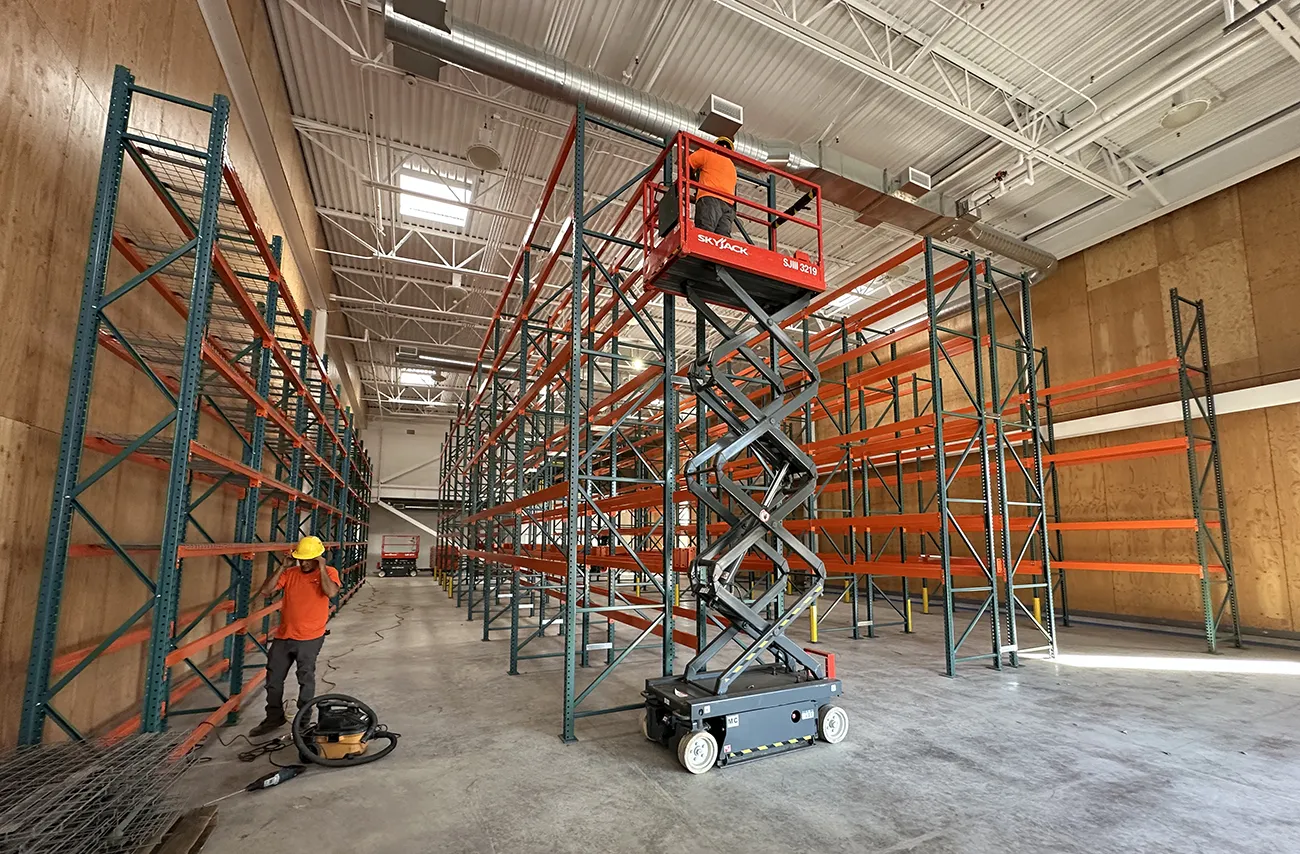
Our crew installs and anchors the system on your Klamath Falls slab to the stamped drawing, not to a field guess. Every baseplate gets the specified anchor count and embedment, and we shim to level before load goes on. Pallet rack installation in Klamath Falls also covers tear-down and removal of the old system when you are replacing rather than expanding. We travel to sites across Klamath County, so a rural site does not change how the job gets done.
Local Authority
Klamath County Building Dept.
Our Goal
First-Pass Approval
We prepare and submit the racking package for you, including the layout, load data, and stamped engineering the reviewer asks for. Klamath Falls sites inside city limits and unincorporated Klamath County sites go to different offices, and we file to the right one. If the site also needs a land use or conditional use review, we flag it before the order ships instead of after. You get copies of everything for your own records.
Shop Our Products




Discover
300+
products
Warehouse Racking Built for the Klamath Basin
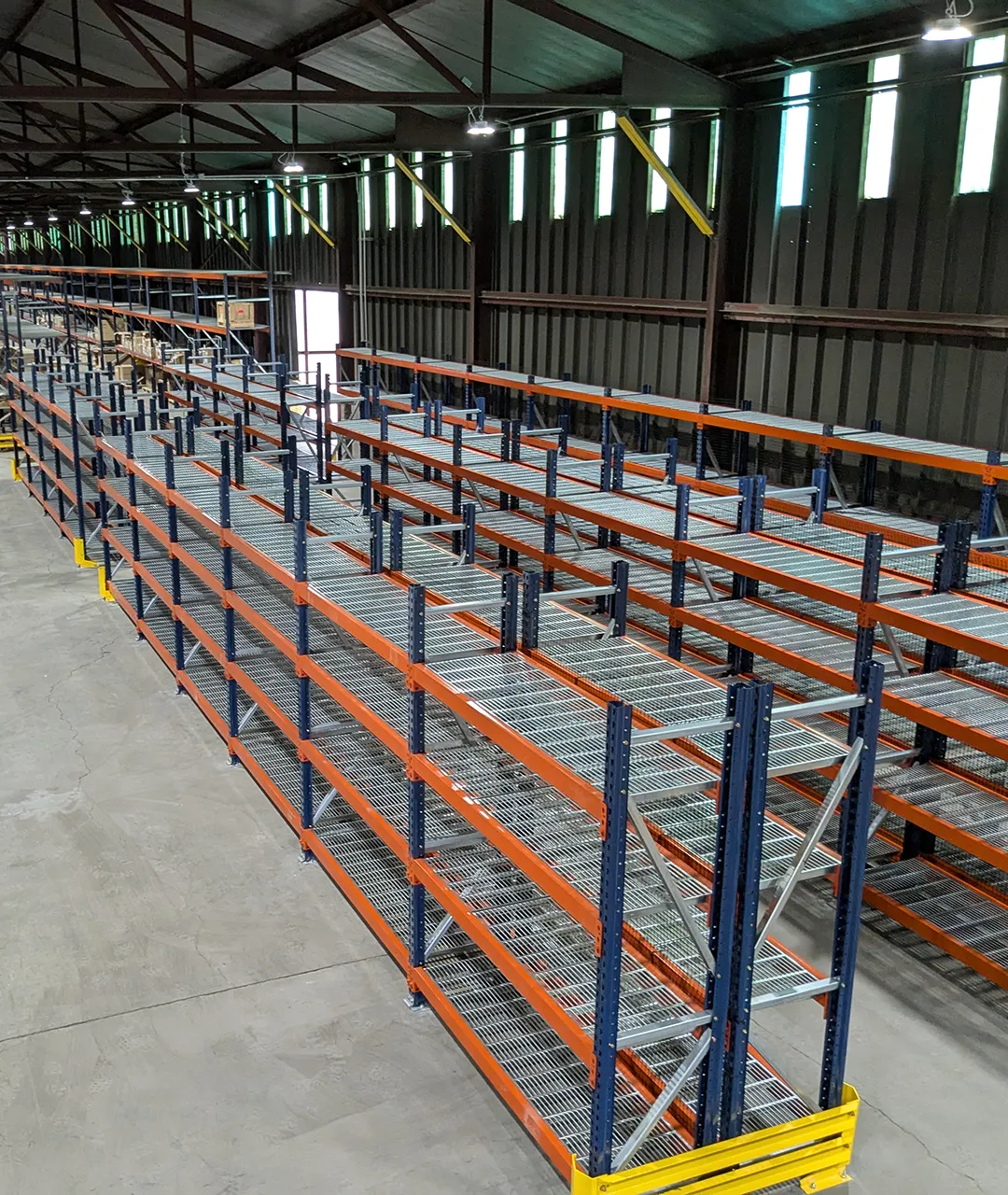
Warehouse Racking Built for the Klamath Basin
Klamath Falls sits on the US-97 corridor in south-central Oregon, a day’s haul from Bend, Medford, and Northern California. That position is why local 3PL and cross-dock operators need warehouse racking in Klamath Falls that handles mixed pallet sizes and short dwell times.
Cold storage is part of this market, and freezer environments change what decking, coating, and lane depth make sense. We size pallet racking for Klamath Falls, Oregon facilities where product moves in and out on a rotation schedule, not once a quarter.
We also supply warehouse shelving for Klamath Falls parts rooms and tire racks that hold tires on their tread instead of stacked in barrels. Pallet racks, shelving, and specialty racks come from one order and one crew.

Requirements and Regulations Specific to Racking in Klamath Falls, OR
Yes, in most cases. Racking is regulated as a structure under the Oregon Structural Specialty Code, which means the reviewer expects engineered drawings before steel goes in the ground. Build that review time into your schedule rather than treating it as paperwork you handle after delivery.
Who You'll Work With
Why This Matters for Klamath Falls Operations
Key Requirements
-
Permit Requirement:
Steel storage racks are treated as structures under the Oregon Structural Specialty Code, so a building permit is generally required for a pallet rack installation in Klamath Falls. Plan submittals typically include the rack layout, load configuration per level, and anchorage detail. Racking added inside an existing warehouse still counts, even when nothing about the building shell changes.
-
Application:
Submittals for sites inside city limits go to the City of Klamath Falls Development Services Department. Sites in unincorporated Klamath County go to the Klamath County Building Department.
-
Seismic Design Category:
Oregon determines seismic design category from the short period response acceleration, SDS, using Oregon Structural Specialty Code Table 1613.2.5(1). The category is site-specific, so two Klamath Falls warehouses a few miles apart can land differently depending on the soil profile and mapped values used. The confirmed category for your parcel is expected to be Seismic Design Category D (SDC D)—the most common classification for the Klamath Falls area due to its proximity to active fault lines and historical seismic activity—but remains officially undetermined until the site values are pulled.
-
Engineering:
Design loads follow ASCE 7 as modified by the Oregon Structural Specialty Code. That combination drives frame selection, base plate size, anchor pattern, and how much of your rated beam capacity you actually keep once seismic load is applied. Every layout we submit for Klamath Falls carries that calculation behind it.
-
High-Piled Combustible Storage:
High-piled combustible storage triggers fire review separately from the building permit, and the review looks at commodity class, pile height, aisle width, and flue spaces rather than at rack capacity. The specific height trigger and reviewing fire authority for Klamath Falls are defined by the Oregon Fire Code as 12 feet (or 6 feet for high-hazard commodities) across an area exceeding 500 square feet, with the fire and life safety review conducted by Klamath County Fire District No. 1 (KCFD1).
-
Sprinkler Coordination:
Decking choice is a sprinkler question, not just a load question. Solid decking blocks water from reaching product below and commonly pushes a project toward in-rack sprinklers, which is why open wire or punched deck is the default on most warehouse layouts. Decide decking before the sprinkler review, not after.
-
Load Capacity:
Capacity is set per beam level and per frame, and both numbers have to hold at the same time. Beam capacity depends on span and profile, frame capacity depends on column gauge, depth, and vertical beam spacing, and lowering a beam level changes the frame number. Post the rated capacity at each bay so operators load to a number instead of a guess.
-
Anchoring:
Every column base plate gets anchored to the slab. Slab thickness, concrete strength, joint locations, and edge distance all affect which anchor and embedment depth work, and a thin or cracked Klamath Falls slab may need a footing or slab repair before installation. We check the slab during the site visit rather than at install.
-
General Duty Clause:
OSHA’s General Duty Clause requires employers to provide a workplace free of recognized hazards, and damaged or overloaded racking is a recognized hazard. Oregon OSHA enforces workplace safety in Klamath Falls under the state plan. A leaning frame or a torn column that has been reported and not addressed is the exposure inspectors act on.
-
Ongoing Compliance:
Compliance is a routine, not a one-time approval. Log forklift impacts as they happen, keep capacity labels legible and current when beam levels move, and re-inspect after any strike hard enough to move a frame. Keeping that record makes an inspection conversation short.
-
Pre-Install Engineering Review:
Before any steel ships, our team audits your order against your site dimensions, forklift class, and pallet specs. We catch specification errors before they leave our facility – and we document everything so your receiving team knows exactly what to expect at the dock.
-
Post-Install Verification:
After installation we verify the system against the approved drawing: frame locations, beam elevations, anchor count and torque, shim placement, and safety clips or pins at every connection. Capacity labels go up before the first pallet does. The verification record is what your Klamath Falls site hands to a reviewer or an inspector.
-
Zoning Compliance:
Racking inside an existing warehouse rarely raises a zoning question on its own, but a change in how the building is used can. Klamath Falls parcels are governed by the city zoning map, and some uses require a conditional use permit under the Klamath Falls City Code. Confirm your parcel’s designation before committing to a layout that changes the operation.
-
Site-Specific Checks:
Outdoor racking, added yard structures, and temporary storage are the cases that get caught. A temporary use permit in Klamath Falls carries a $450 application fee with a $150 annual renewal, which is worth knowing before you plan seasonal outdoor storage. Land use review runs on its own timeline, separate from the building permit.
Custom Racking for Klamath Basin Industries
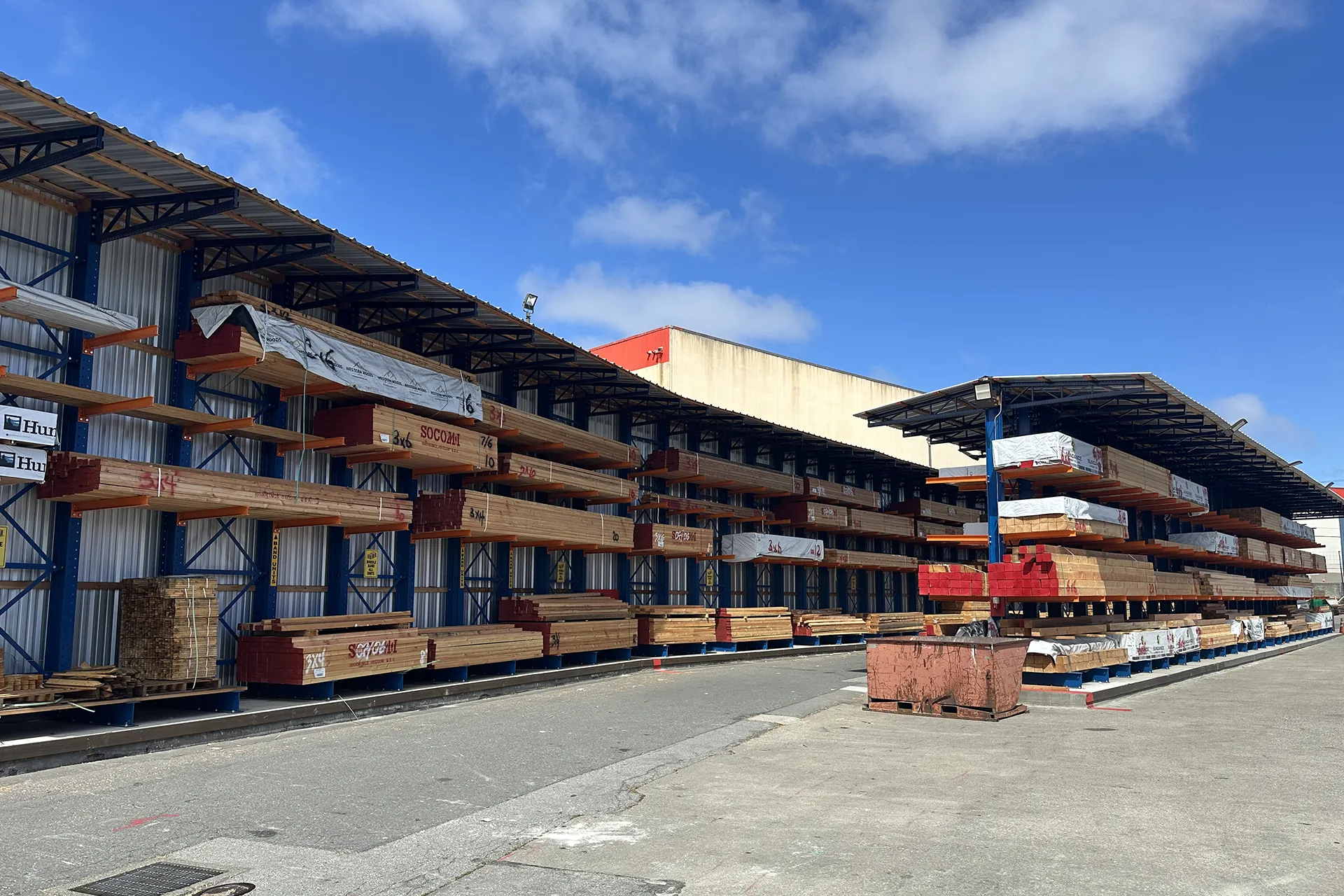
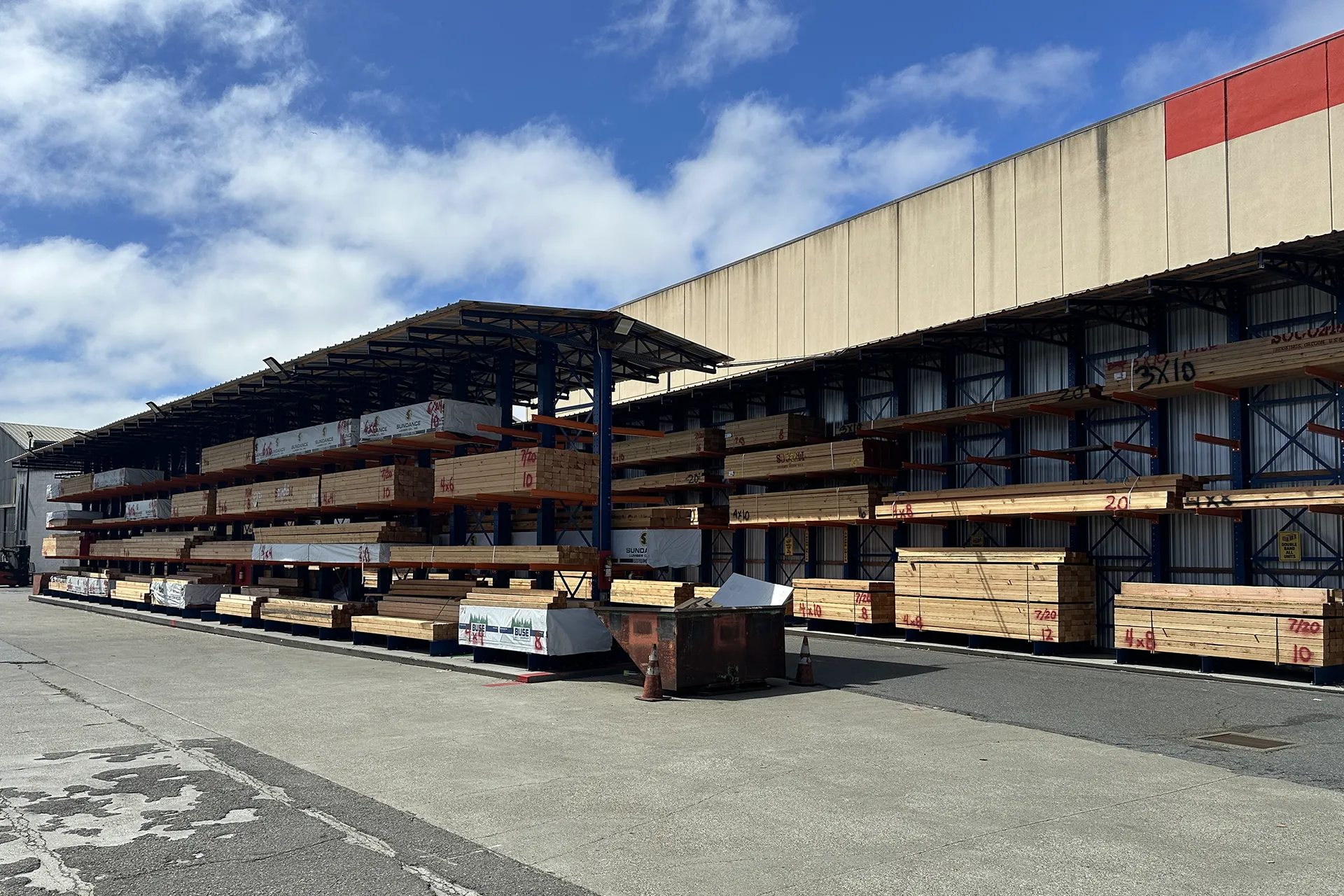
Klamath Falls research points to three storage patterns that show up most often in this market. Each one changes lane depth, decking, and how the layout gets drawn.
Logistics & Other Distribution
Food, Beverage & Cold Storage
Heavy Industry & Fabrication
We are Klamath Falls’s largest pallet rack and material handling distributor!
What Pallet Rack type is right for you?
In Klamath Falls, Oregon, the right racking system depends on your industry, throughput, and facility layout. Cold storage rotation, 3PL cross-dock work along US-97, and fabrication sites storing long stock in the Klamath Basin all pull toward different rack types. If you’re not sure which fits, that’s the conversation we want to have first.
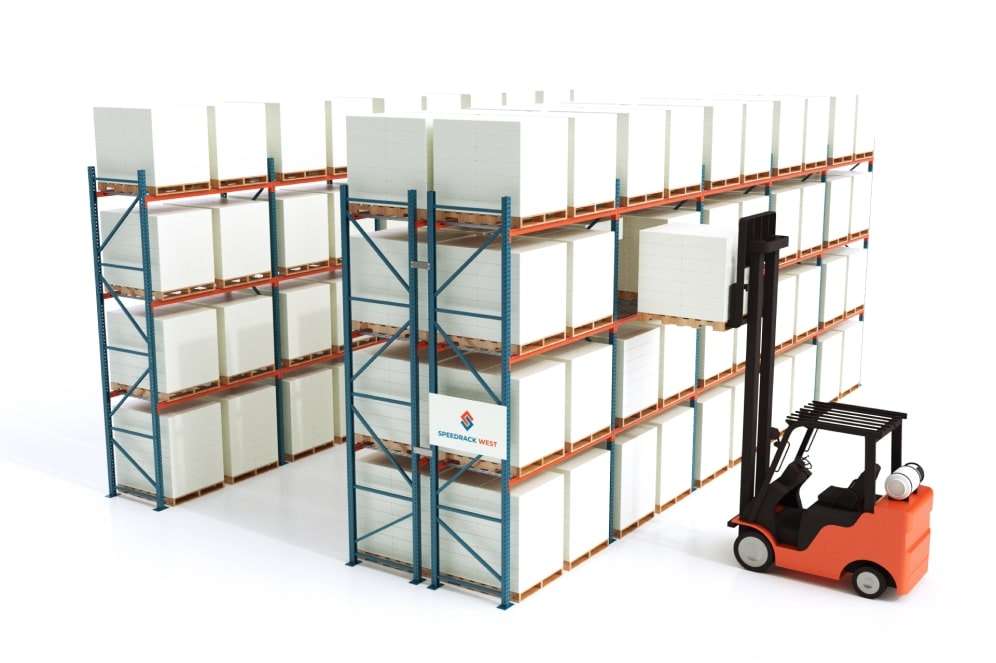
Selective Pallet Racks
The most common type of pallet racking system. It provides direct access to each pallet, making it suitable for warehouses with a wide variety of products.
Advantages
Flexibility, ease of access, and compatibility with most types of forklifts.
Compliance
Must meet structural and seismic requirements as outlined in the local building codes and ASCE 7 standards.
Advantages
Flexibility, ease of access, and compatibility with most types of forklifts.
Compliance
Must meet structural and seismic requirements as outlined in the local building codes and ASCE 7 standards.

Drive-In/Drive-Through Racks
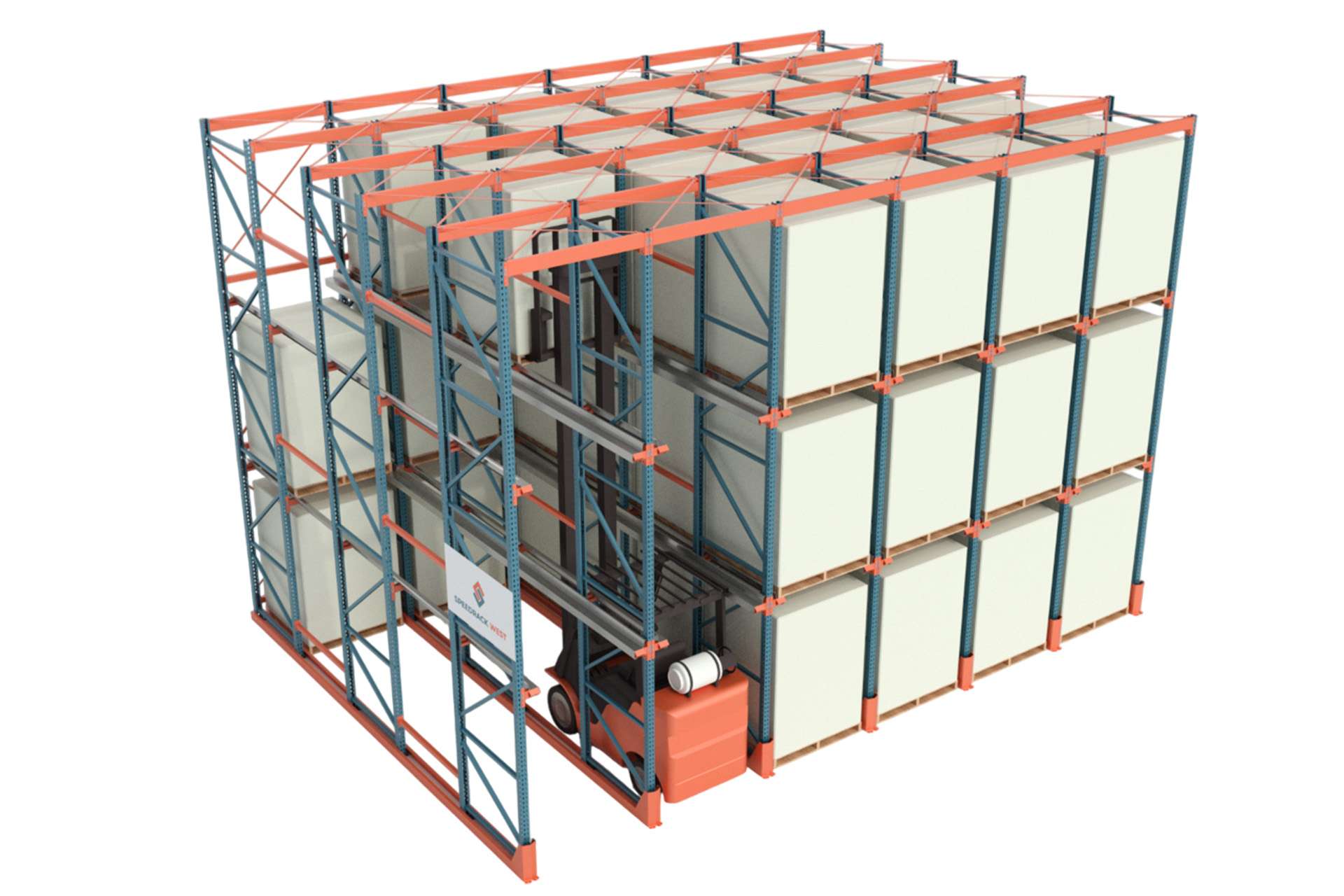
Designed for high-density storage, allowing forklifts to drive directly into the rack to place or retrieve pallets. Drive-In racks have one entry and exit point, while Drive-Through racks have entry and exit points on both sides.
Advantages
Maximizes storage space by reducing aisle space.
Compliance
Requires careful design and anchorage to meet safety standards, especially in seismic zones.
Advantages
Maximizes storage space by reducing aisle space.
Compliance
Requires careful design and anchorage to meet safety standards, especially in seismic zones.

Push-Back Racks
A high-density storage system where pallets are loaded from the front and pushed back on inclined rails. When a pallet is removed, the next pallet automatically moves forward.
Advantages
Increases storage density while providing better access to products compared to drive-in racks.
Compliance
Needs to adhere to local structural requirements and periodic inspections for safety.
Advantages
Increases storage density while providing better access to products compared to drive-in racks.
Compliance
Needs to adhere to local structural requirements and periodic inspections for safety.

Pallet Flow Racks
Utilizes gravity flow lanes to move pallets from the loading side to the picking side. Ideal for first-in, first-out (FIFO) inventory management.
Advantages
Efficient for warehouses with high turnover rates and expiration-sensitive products.
Compliance
Requires detailed structural analysis and compliance with seismic bracing standards.
Advantages
Efficient for warehouses with high turnover rates and expiration-sensitive products.
Compliance
Requires detailed structural analysis and compliance with seismic bracing standards.
Ready to Start Designing Your Pallet Rack?
Use our Pallet Rack Builder to configure your system online.
Do you serve warehouses outside city limits in Klamath County?
Yes. We supply and install pallet rack in Klamath County, Oregon, including unincorporated sites that permit through the Klamath County Building Department.
How does Oregon’s building code affect racking in Klamath Falls?
It sets the design basis: the Oregon Structural Specialty Code adopts ASCE 7 with state modifications and determines your seismic design category from site values. That drives frame gauge, anchor pattern, and usable capacity on every layout.
Can you supply tire racks and warehouse shelving for a Klamath Falls facility?
Yes. Tire racks in Klamath Falls and warehouse shelving for Klamath Falls parts rooms ship on the same order as your pallet racks, so one crew installs the whole layout.
Key Notions
Pallet racks are known throughout the industry by many names. Below are some of the more common terms that are used interchangeably for pallet racking.
- Industrial shelving
- Industrial pallet racks
- Stacking Rack
- Warehouse shelving
- Industrial racking systems
- Load-bearing Rack
- Warehouse racking systems
- Pallet rack systems
- Bulk Storage Rack
- Warehouse racks
- Pallet racking storage
- Heavy-Duty Rack
- Pallet racking
- Pallet racking uprights and beams
- Pallet Shelving
- Warehouse racking
- Industrial Rack
- Logistics Rack
- Warehouse pallet shelving rack
- Racking System
- Palletized Storage System
- Storage racking
- Shelving Unit
- Freight Storage Rack
- Warehouse storage racks
- Material Handling Rack






Irving Nieves says: “It's been an easy process working with the Speedrack West team, even with the changes partway through.”


Scott Misso says: “Everything works as expected. Designed as it should be. Good job!”


Kyle Gersman says: “I called Bill multiple times a day and he always picked up and was always very helpful. What I really liked is that they pointed out a lot of questions and processes that I didn't even have on my radar going into the move. It helped me expand the scope to an appropriate size of what I needed to consider as we made the transition to a bigger facility.”


Robert Baumgartner says: “Despite picking up this project in the middle of its lifecycle, the transition was flawless thanks to the team’s stellar communication. They exceeded our expectations by delivering the installation earlier than anticipated and hitting every technical requirement. From the sales team’s quick answers to their willingness to make adjustments, the experience was top-tier.”


Consolidated Supply says: “We’re very happy to be your regular client, and it’s always so easy to work with your team”


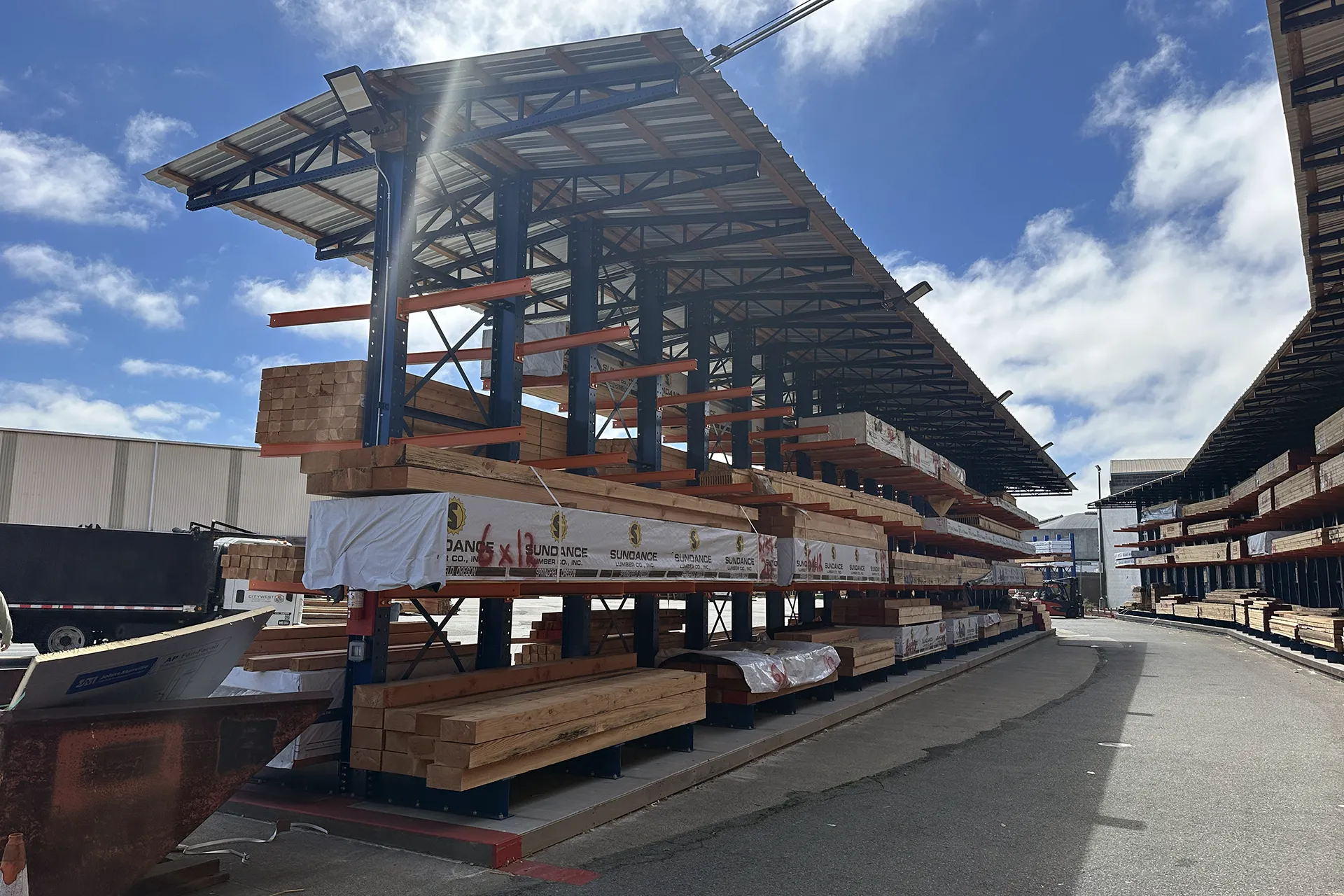
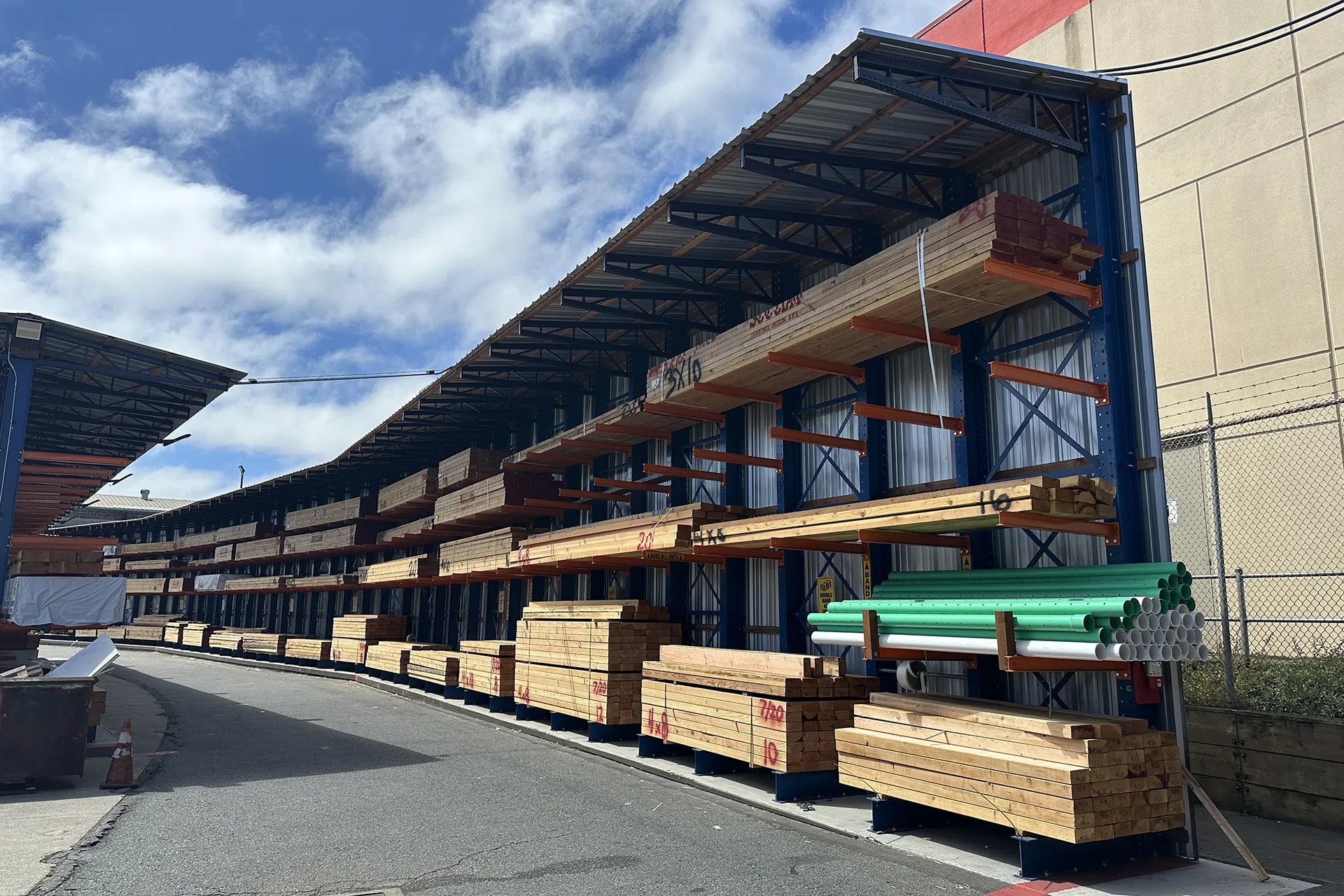
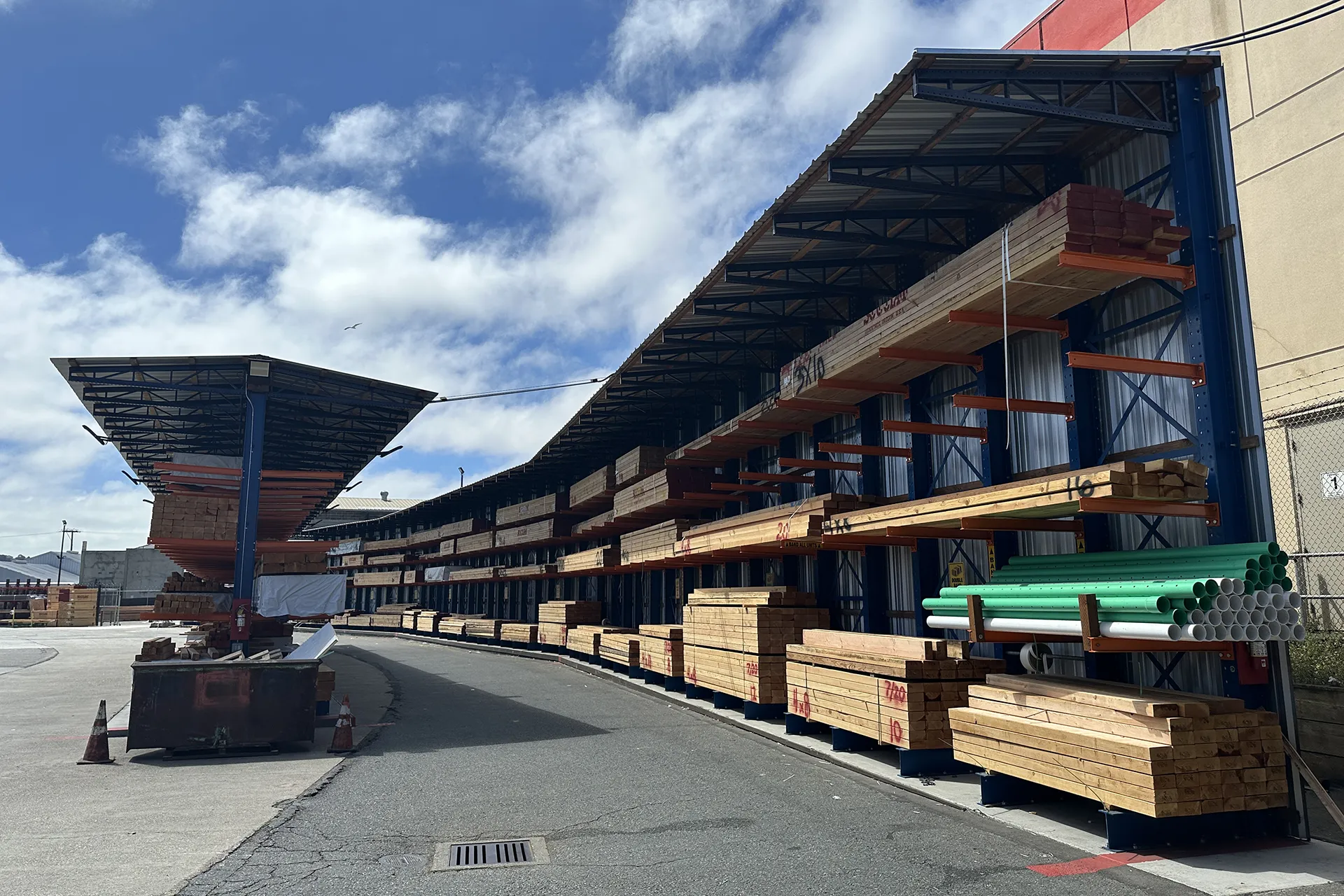
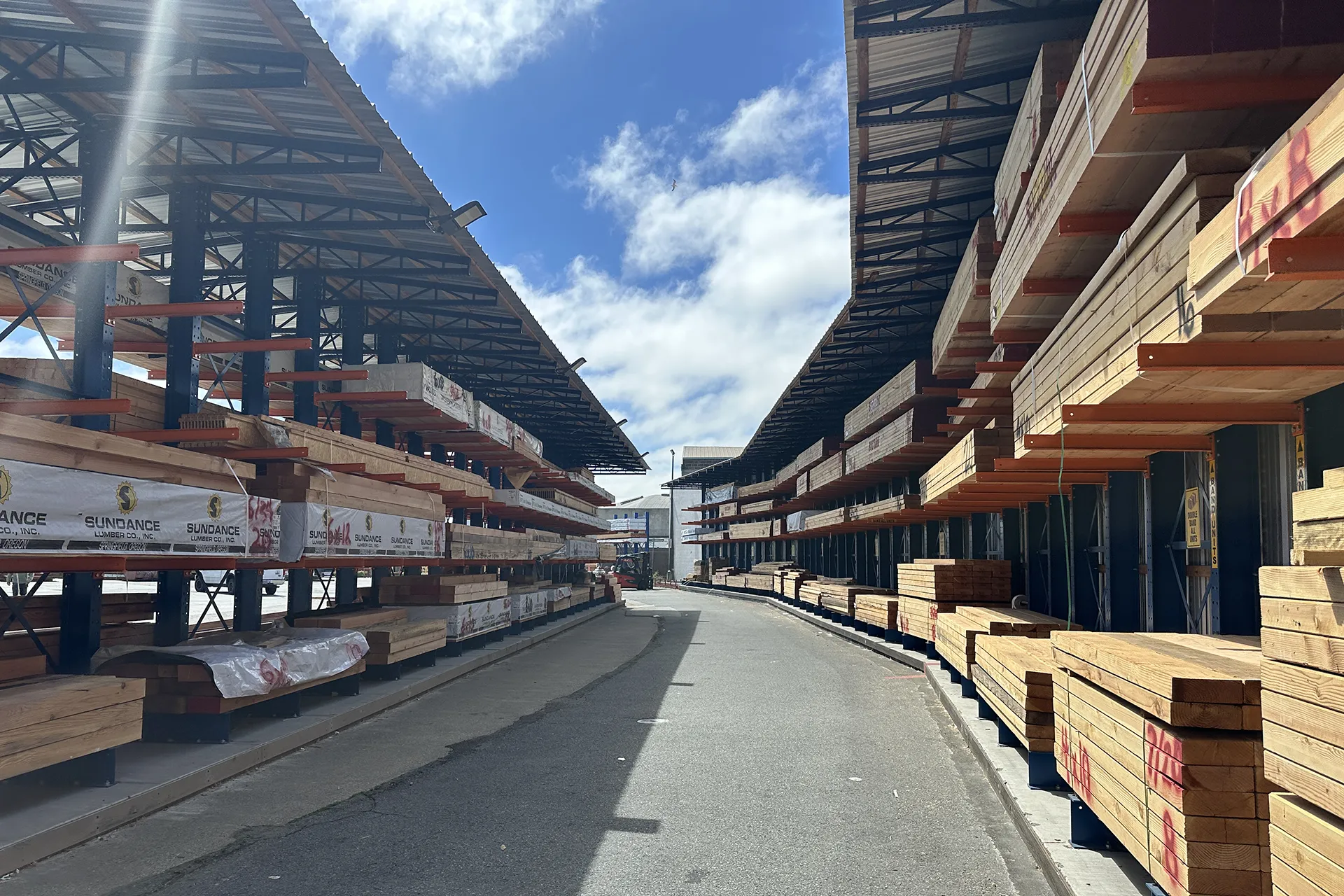
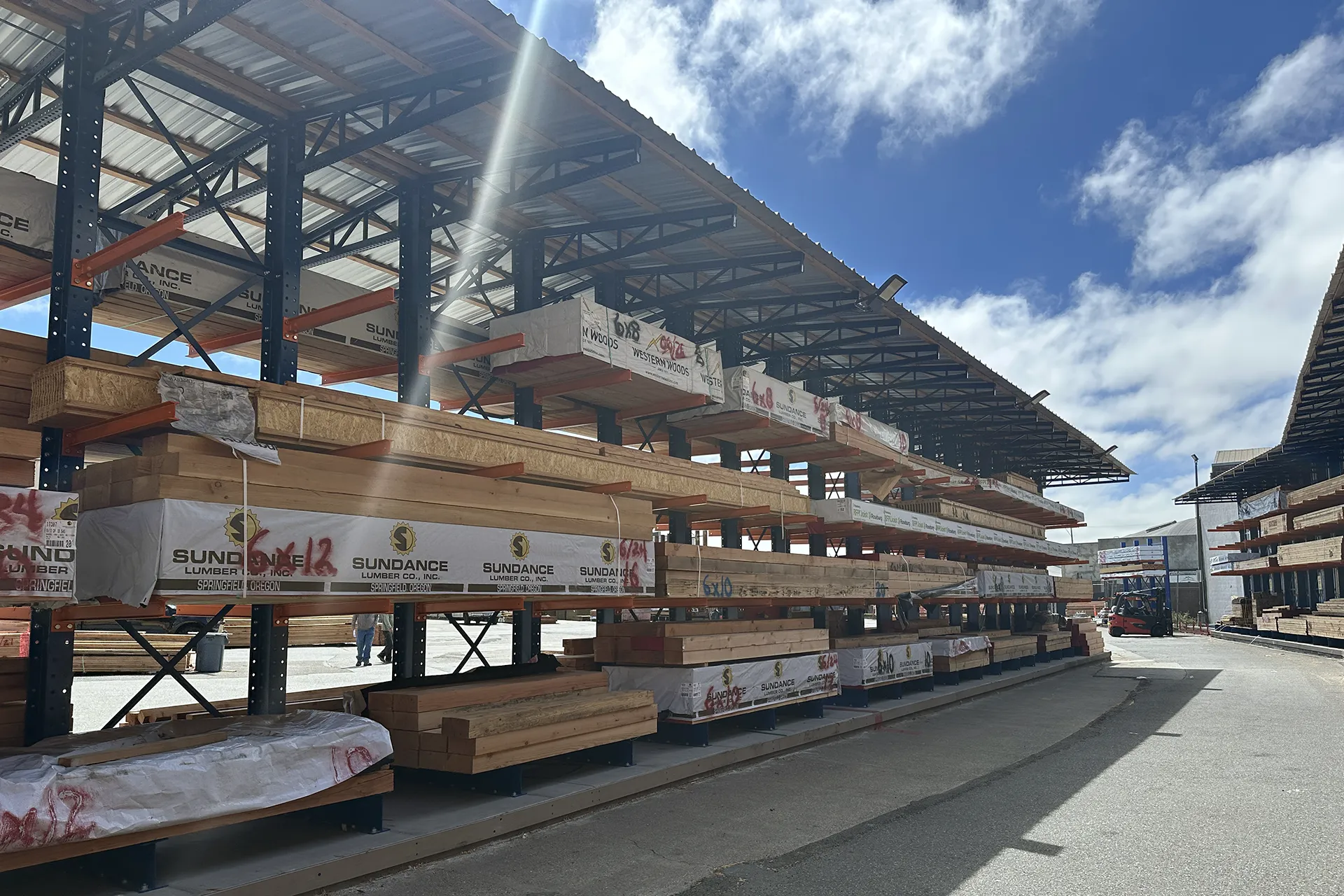
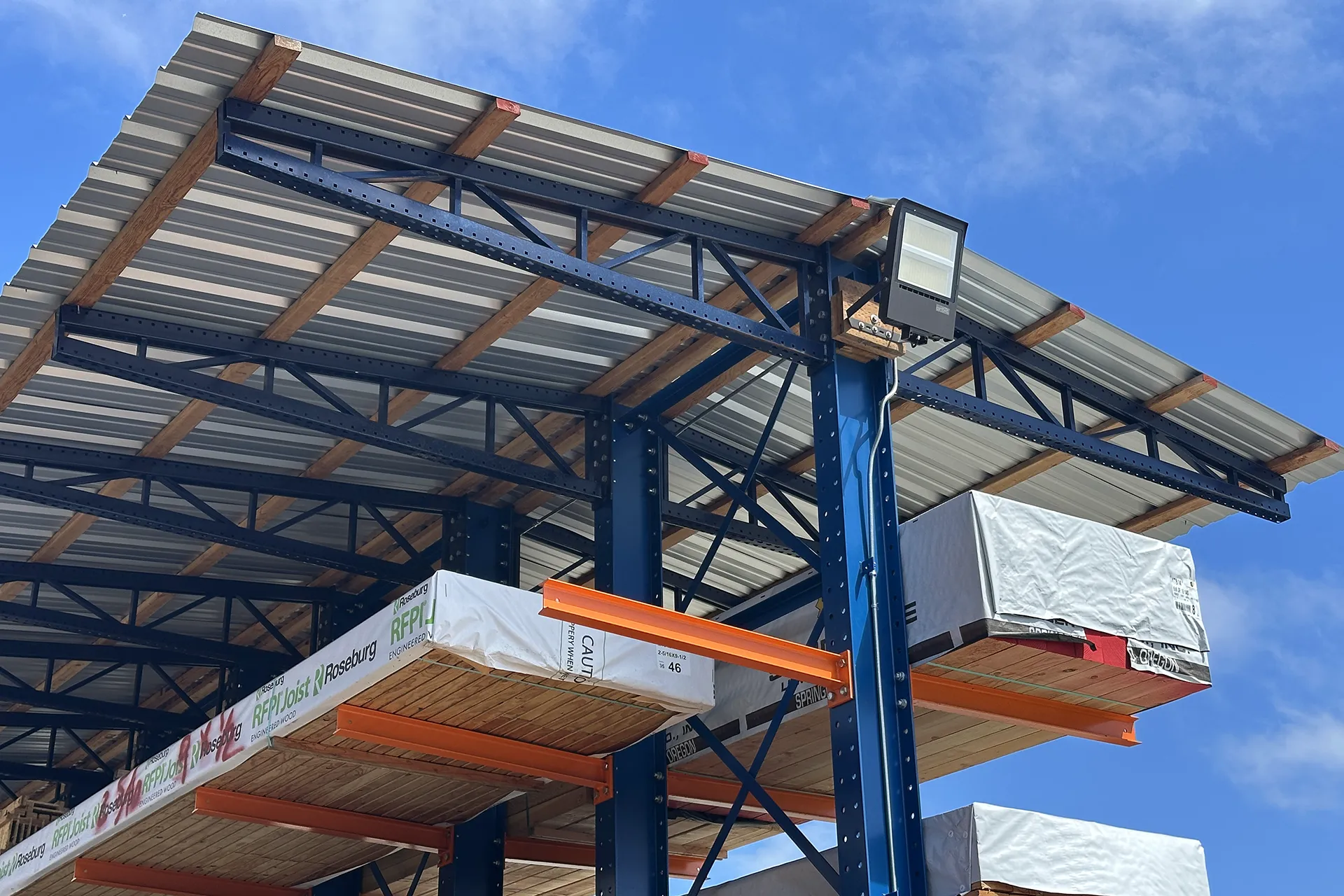
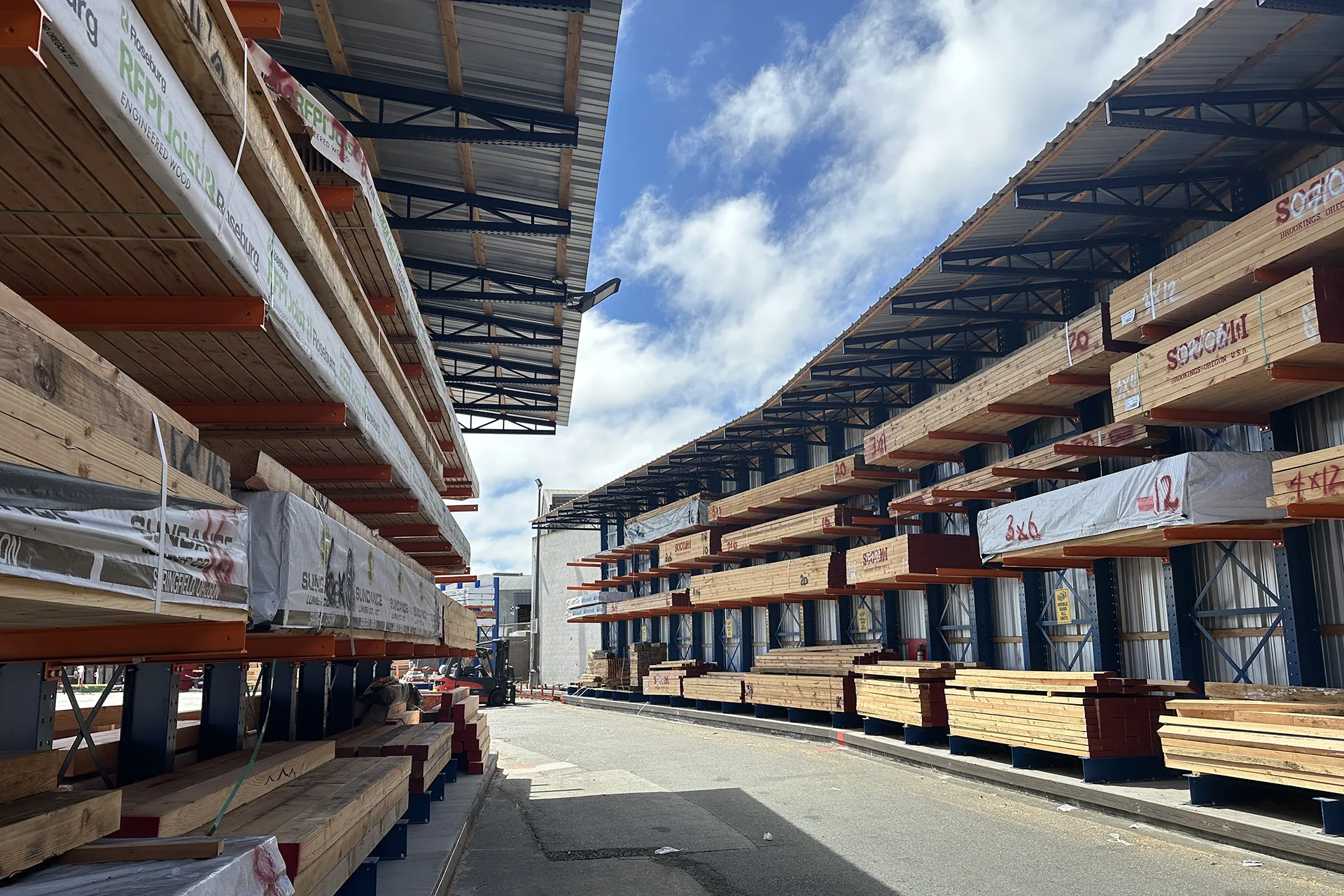
Lumber Company says: “Working with Speedrack West team has been a real pleasure. They made the whole process smooth and straightforward, and we’re 100% planning to come back again—which we actually just did recently.”


Derek Patterson says: “I would suggest that there should be no hesitation…from placing an order to getting everything delivered in such a timely manner. I had racking within 7 days compared to 4 to 6 weeks elsewhere. The customer service level is fabulous.”
Need Warehouse Help in Klamath Falls? Let’s Talk.