


Redmond, OR and the surrounding area
Pallet Racking in Redmond, OR
Pallet racking in Redmond, Oregon has to serve a high desert freight market that runs on Highway 97, Roberts Field, and the truck lines based here. We supply and install new pallet rack for Redmond, OR facilities and for operations in Bend, Prineville, Madras, Sisters, and Terrebonne. Selective, pushback, pallet flow, drive-in, and structural systems, all drawn and anchored to Oregon's building code before a single frame ships. You get the layout and the number in 24 hours, not a callback next week.


Racking Delivery and Services in Redmond, OR
Most standard racking orders to Redmond can arrive in as little as
3–5 DAYS
Actual delivery times vary. Large projects, structural systems, and permit-tied orders may take longer. We ship from multiple U.S. locations – once we see your scope, we’ll give you a real lead time.
Services We Provide in Redmond, OR
Method
Green, Yellow, Red Tags
Design Standard
ANSI MH16.1
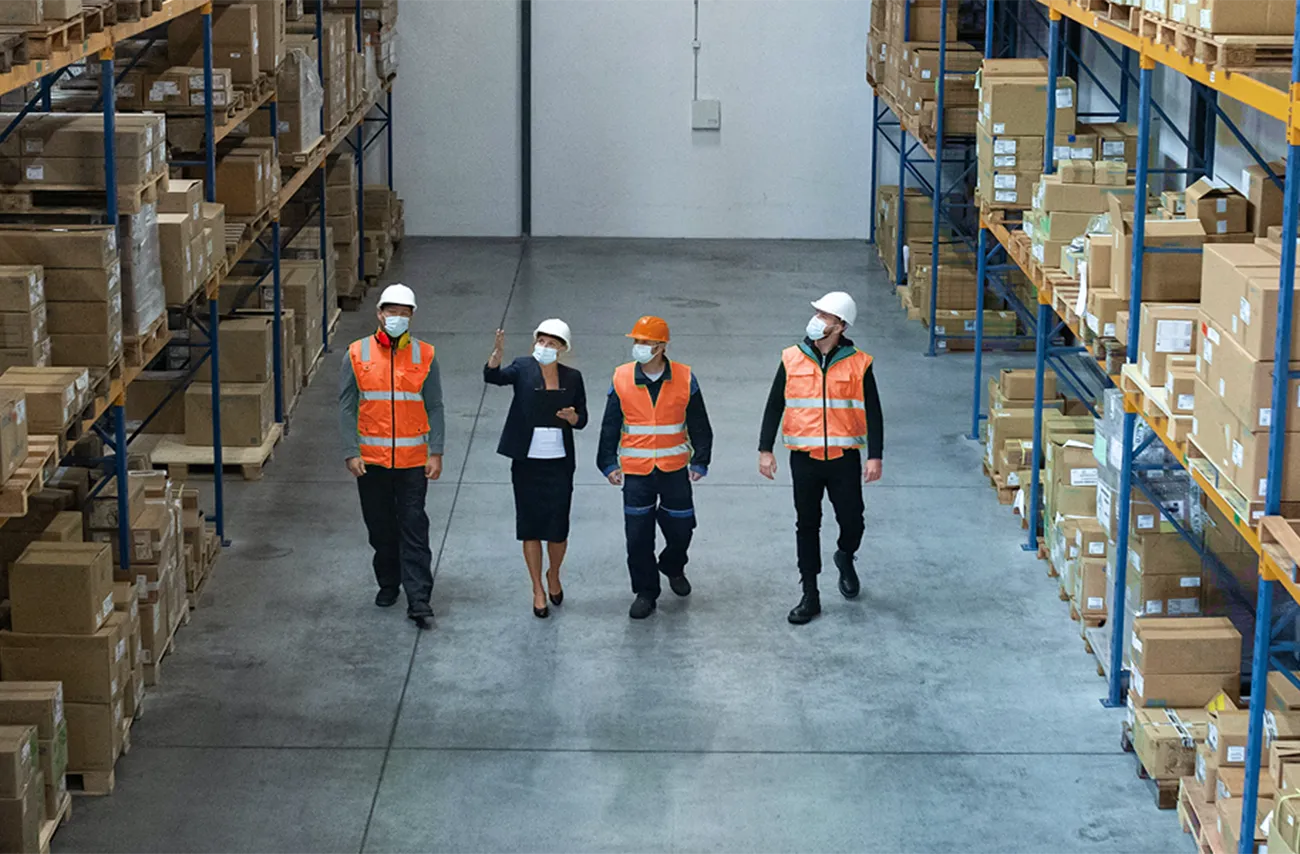
Redmond’s freight and manufacturing floors run heavy forklift traffic in tight columns, and that is where uprights take their damage. We walk the system part by part and tag every frame green, yellow, or red, then hand you the load ratings and the replacement list in writing. Your crew keeps running forklifts while we inspect. The report is the document you hand a fire or building inspector when they ask what your racks are rated to hold.
Anchoring
Engineered Anchor Pattern
Coverage
Central Oregon Crews
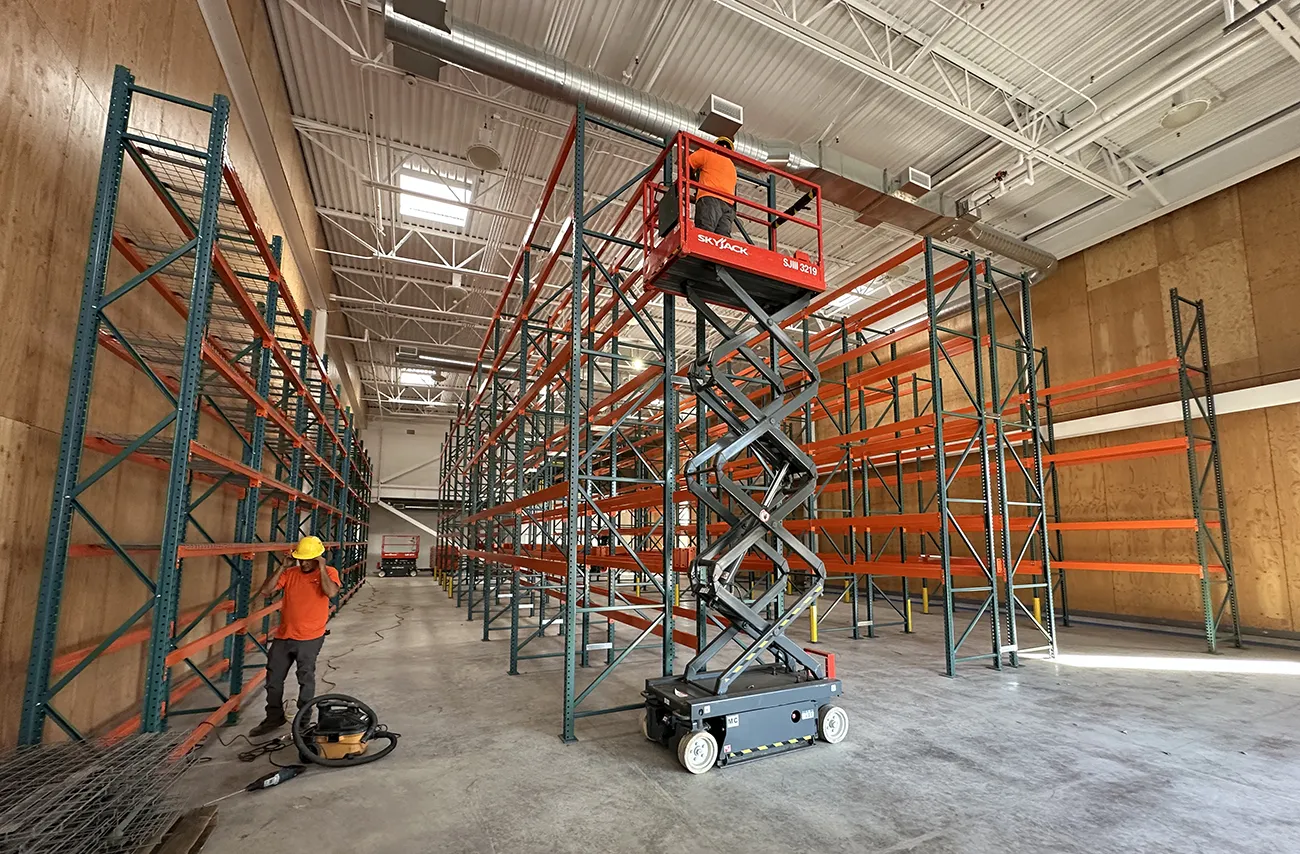
Pallet rack installation in Redmond is scheduled around your receiving hours, not ours. Our crew sets frames to the anchor pattern the drawings call for, torques every anchor, and installs capacity labels before we leave the building. On outdoor and yard installs around Redmond we confirm the slab will carry the loaded rack before steel arrives, because a blacktop pad will not. Tear-down of an existing system can run in the same visit.

Local Authority
Redmond Building Division
Permit Trigger
Racks Over 5'-9"
We prepare and submit the permit package for Redmond racking projects so your team is not chasing plan review. That means stamped drawings, load calculations, and a rack elevation that matches what is actually going on your floor. If your storage height puts you into fire review, the high-piled submittal goes in alongside the building application. You get one point of contact from drawing to final inspection.
Shop Our Products




Discover
300+
products
Racking Built for Central Oregon Freight and Fabrication
Racking Built for Central Oregon Freight and Fabrication
Redmond sits at the junction of Highway 97 and Highway 126, which is why so much Central Oregon trucking, freight, and trailer service is headquartered here. Warehouse racking in Redmond has to hold up under the mixed pallet loads and constant turnover those operations put through a dock.
The other half of this market is production. Redmond’s HVAC equipment builders and weld shops need staging for steel stock, sheet, and work in progress, not just finished pallets, so we size those systems around what moves through the shop.
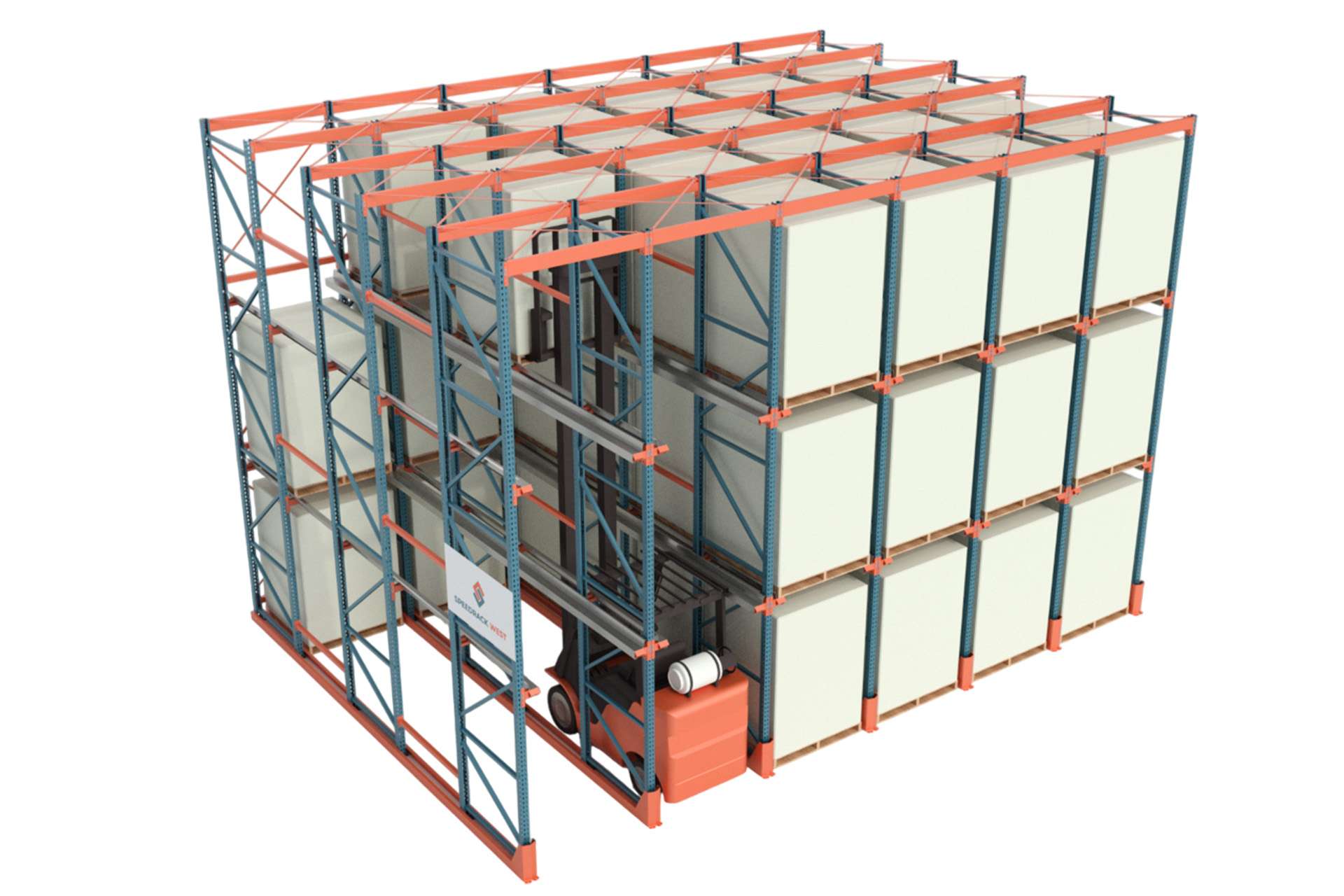
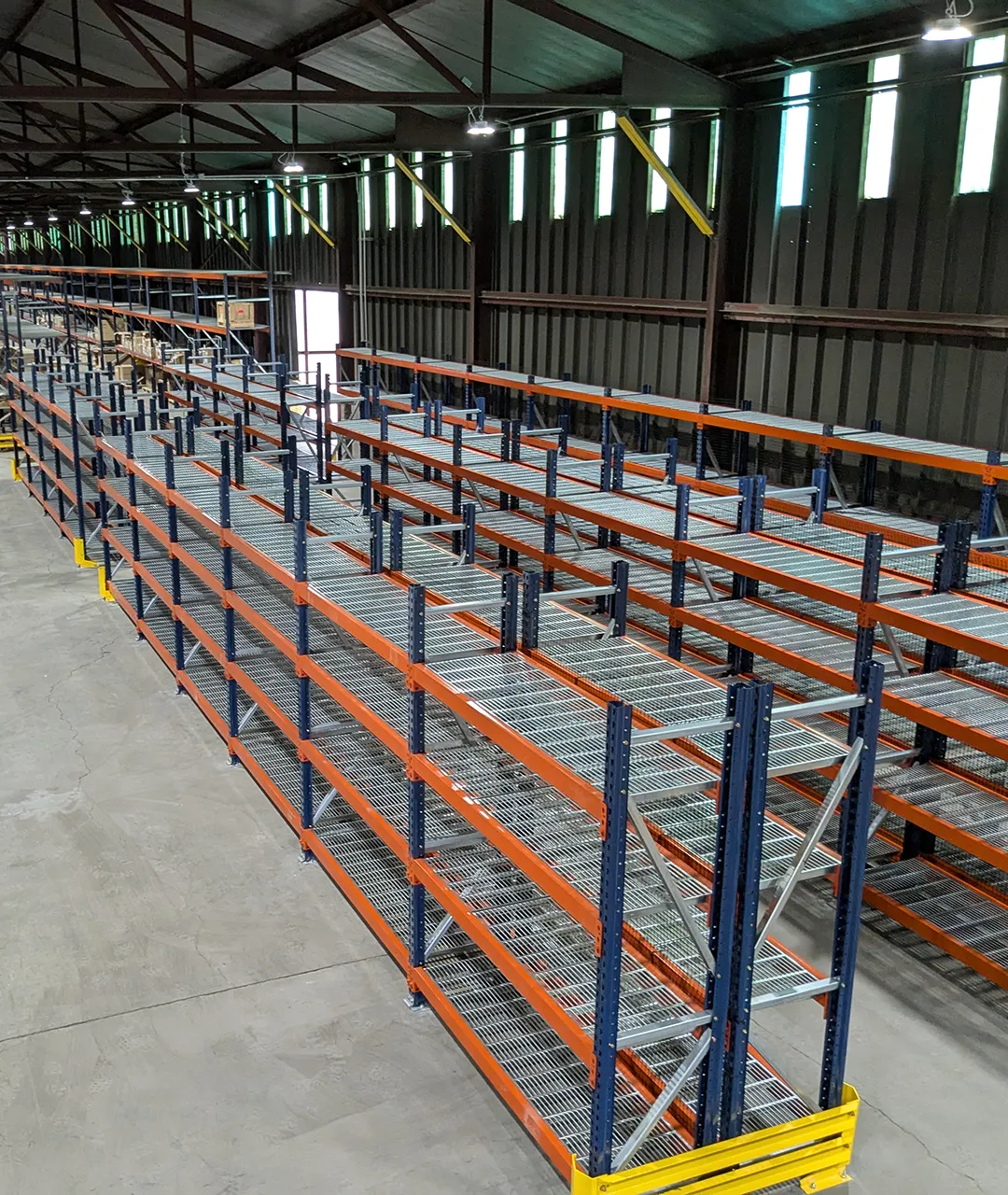
We supply industrial racking systems Redmond facilities actually run: selective, pushback, pallet flow, drive-in, structural cantilever, and boltless warehouse shelving for small parts. Everything ships from our own inventory to Deschutes, Jefferson, and Crook counties.

Requirements and Regulations for Racking in Redmond, OR
Yes. The International Building Code, adopted through Oregon’s state code, requires a permit for shelving or racking taller than 5 feet 9 inches, and storage between 5 feet 9 inches and 12 feet requires a building permit. Plan for that review time in your project schedule before you commit to an install date.
Who You'll Work With
Why This Matters for Redmond Operations
Key Requirements
-
Permit Requirement::
The International Building Code requires a permit for shelving or racking exceeding 5 feet 9 inches in height. Storage systems between 5 feet 9 inches and 12 feet require a building permit, and taller systems add fire review on top of it. The permit is tied to the installed configuration, so beam elevations on the drawing have to match what gets built.
-
Application::
Applications for racking inside the city go to the City of Redmond Building Division. Sites in unincorporated areas around Redmond are reviewed by the applicable county building department.
-
Seismic Design Category::
Commercial seismic design category for a Redmond site is assigned from ASCE 7 based on the site class in the project geotechnical report, not from a citywide default. While Central Oregon typically experiences lower baseline seismic risk than the Willamette Valley—often placing Redmond properties in Seismic Design Category C—the exact design spectral acceleration values and final category for your specific parcel must be confirmed via the Oregon Design Criteria Hub using your verified site class.
-
Engineering::
Rack uprights are unbraced steel columns carrying most of their mass high off the floor, so lateral load governs the anchor design more often than the shelf load does. Engineered anchorage calculations, stamped and matched to the slab thickness and reinforcement, are what plan review looks for. Change the beam heights or add a level later and the calculation has to be redone.
-
High-Piled Combustible Storage::
A fire installation permit is required for combustible materials stored in closely packed piles or on pallets and in racks above the high-piled threshold. Chapter 32 of the fire code governs these layouts, including the requirement to maintain a minimum unobstructed aisle width of 44 inches during mechanical stocking operations. Commodity class and stored square footage drive how strict the requirements get.
-
Sprinkler Coordination::
Rack layout and existing sprinkler design have to be reviewed together. Flue spaces between back-to-back rows, solid versus open decking, and top-of-storage clearance to the sprinkler heads all change what the existing system can protect. Decking choice in particular can invalidate a sprinkler design that was fine for the previous layout.
-
Load Capacity::
Every rack bay carries a rated capacity per beam level, and that rating assumes evenly distributed loads on two beams with the decking the system was designed for. Load capacity plaques must be posted and visible so operators are not estimating. Beam deflection under load, not failure, is usually the first sign a level is over its rating.
-
Anchoring::
Racks must be anchored to the slab through footplates sized for the frame and the calculated uplift. Anchor type, embedment depth, and edge distance depend on slab thickness and concrete strength at that site, which is why an anchor schedule is part of the stamped drawing set. Anchoring into a slab that is thinner than the drawings assume is a rework item at final inspection.
-
General Duty Clause::
OSHA requires materials and racks to be stacked, secured, and maintained so they do not create a hazard, and load capacity plaques must be visible. There is no separate OSHA rack standard, so citations are written under the general storage and general duty provisions. A damaged upright left in service is the common finding.
-
Ongoing Compliance::
Compliance is a maintenance obligation, not a one-time signoff. Damaged frames have to be removed from service or repaired to the manufacturer’s specification, and any rack change that alters capacity requires updated labels. Documented periodic inspections give you the record that shows the system has been maintained.
-
Pre-Install Engineering Review::
Before any steel ships, our team audits your order against your site dimensions, forklift class, and pallet specs. We catch specification errors before they leave our facility – and we document everything so your receiving team knows exactly what to expect at the dock.
-
Post-Install Verification::
After install we verify plumb, beam levels, anchor torque, and safety clip placement against the approved drawings, then confirm capacity labels are posted at each bay. The as-built check is what your Redmond inspection is measured against, so any deviation gets corrected before we call the job done.
-
Zoning Compliance::
Redmond’s development standards are adopted in the city’s Code of Ordinances, and warehouse or storage use has to be permitted in the zone the parcel sits in before a building permit moves. Outdoor racking is the case that catches operators, since yard storage is treated differently from storage inside a building. In Redmond, warehousing is generally permitted outright in the Light Industrial (M-1) and Heavy Industrial (M-2) zones. However, under the Redmond Development Code (RDC), any outdoor storage—including exterior pallet racking—requires a site plan review, must observe specific property line setbacks, and must be fully screened from public rights-of-way and non-industrial neighbors using sight-obscuring fencing (typically up to 8 feet in height) or dense landscaping.
-
Site-Specific Checks::
Setbacks, screening, and height limits apply to outdoor racking in a yard, and adding covered storage can change lot coverage calculations. Verify the parcel’s zone and any overlay before finalizing a layout that puts steel outside the building envelope.
Racking for the Industries That Run Redmond
Redmond’s economy is built on freight movement, mechanical equipment manufacturing, and metal fabrication. Each one stores a different shape of product, and the rack has to match the product, not the other way around.
Logistics & Other Distribution
HVAC & Mechanical Trades
Heavy Industry & Fabrication
We are Redmond’s largest pallet rack and material handling distributor!
What Rack Type is Right for You?
In Redmond, Oregon, the right rack depends on your product mix, throughput, and how much clear height the building gives you. Freight and distribution operations along Highway 97 usually land on selective or pallet flow, while the metal fabrication and mechanical equipment shops here need cantilever and structural systems for long stock. If you are not sure which fits, that is the conversation we want to have first.
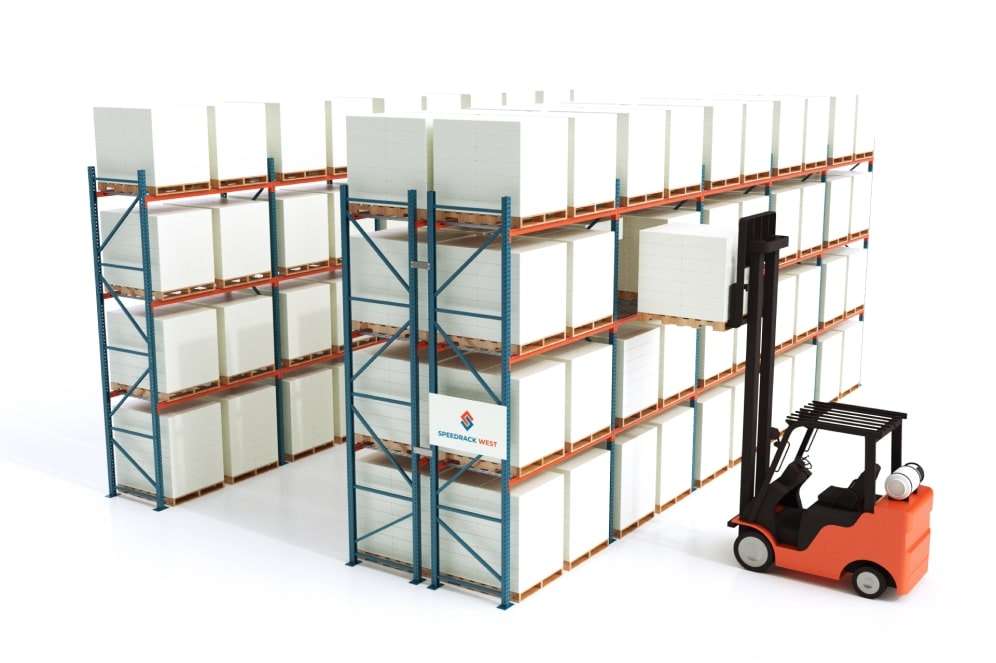
Selective Pallet Racks
The standard system for warehouses needing direct access to every pallet. Common in Aloha’s fulfillment and building supply operations where SKU counts run high and pick speed matters.
Advantages
Direct pallet access, flexible reconfiguration, lower cost per pallet position.
Compliance
Anchorage must be engineered to OBC 2021 + ASCE 7-16 for Seismic Design Category D.
Advantages
Direct pallet access, flexible reconfiguration, lower cost per pallet position.
Compliance
Anchorage must be engineered to OBC 2021 + ASCE 7-16 for Seismic Design Category D.

Drive-In/Drive-Through Racks
High-density storage for facilities with fewer SKUs and higher pallet counts per product, common in building supply and bulk distribution around Washington County.
Advantages
Maximizes cube utilization, reduces aisle space, suits LIFO or FIFO depending on configuration.
Compliance
Requires engineered seismic bracing given reduced cross-aisle support, reviewed under Washington County plan check.
Advantages
Maximizes cube utilization, reduces aisle space, suits LIFO or FIFO depending on configuration.
Compliance
Requires engineered seismic bracing given reduced cross-aisle support, reviewed under Washington County plan check.

Push-Back Racks
Dense storage with more SKU flexibility than drive-in, common in Aloha’s 3PL and distribution operations juggling variable pallet counts.
Advantages
2–6 pallets deep per lane, LIFO access, better SKU variety than drive-in.
Compliance
Cart and rail systems require the same seismic anchorage review as selective rack under Washington County permitting.
Advantages
2–6 pallets deep per lane, LIFO access, better SKU variety than drive-in.
Compliance
Cart and rail systems require the same seismic anchorage review as selective rack under Washington County permitting.

Pallet Flow Racks
Gravity-fed rack for FIFO rotation, well suited to Aloha’s ecommerce and consumer goods operations moving date-sensitive inventory.
Advantages
Automatic stock rotation, high-density storage, reduced labor for restocking.
Compliance
Structural design accounts for rolling load dynamics under OBC 2021 anchorage requirements.
Advantages
Automatic stock rotation, high-density storage, reduced labor for restocking.
Compliance
Structural design accounts for rolling load dynamics under OBC 2021 anchorage requirements.
Industrial Pallet Rack Safety Considerations
Safety is a top priority here at Speedrack West. Train your employees on safe loading practices and maintaining clear aisles for forklift operations to prevent accidents and injuries. However there are few safety measures available.


If pallet rack safety is compromised, racks can collapse under excessive loads, leading to severe injuries, fatalities, and significant inventory loss. Items may fall from the racks, posing a danger to workers and potentially damaging goods. Impact damage from forklifts can weaken the structure, increasing the risk of failure.
Designing Your Pallet Rack
Try our Pallet Rack Builder to design your system and get instant final pricing upon checkout.
Try Pallet Rack BuilderDo you serve Central Oregon cities near Redmond?
Yes. We deliver and install across Deschutes, Jefferson, and Crook counties, including Bend, Sisters, Terrebonne, Madras, and Prineville.
How does Oregon’s seismic code affect racking in a Redmond warehouse?
Every installation needs engineered anchorage calculations based on ASCE 7 loading, and the seismic design category comes from your parcel’s geotechnical report. That means the anchor schedule is specific to your slab and cannot be copied from another building.
Do warehouse storage systems in Redmond need anything extra for outdoor yard use?
Yes. Outdoor racking on Central Oregon’s high desert has to account for wind and snow load in the anchor design and needs a concrete foundation rated for the loaded rack, since a blacktop pad will not carry it.






Irving Nieves says: “It's been an easy process working with the Speedrack West team, even with the changes partway through.”


Scott Misso says: “Everything works as expected. Designed as it should be. Good job!”


Kyle Gersman says: “I called Bill multiple times a day and he always picked up and was always very helpful. What I really liked is that they pointed out a lot of questions and processes that I didn't even have on my radar going into the move. It helped me expand the scope to an appropriate size of what I needed to consider as we made the transition to a bigger facility.”


Robert Baumgartner says: “Despite picking up this project in the middle of its lifecycle, the transition was flawless thanks to the team’s stellar communication. They exceeded our expectations by delivering the installation earlier than anticipated and hitting every technical requirement. From the sales team’s quick answers to their willingness to make adjustments, the experience was top-tier.”


Consolidated Supply says: “We’re very happy to be your regular client, and it’s always so easy to work with your team”


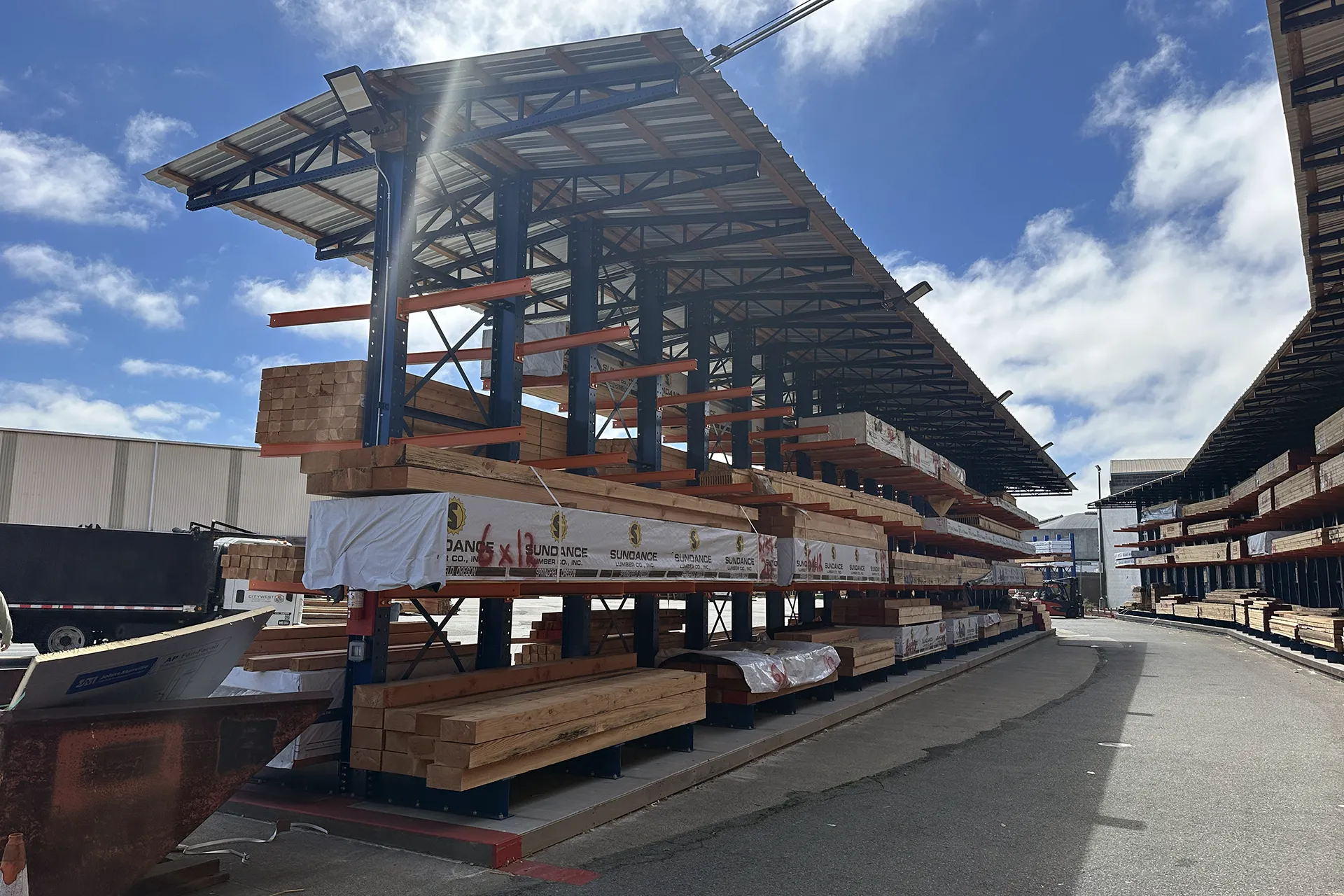
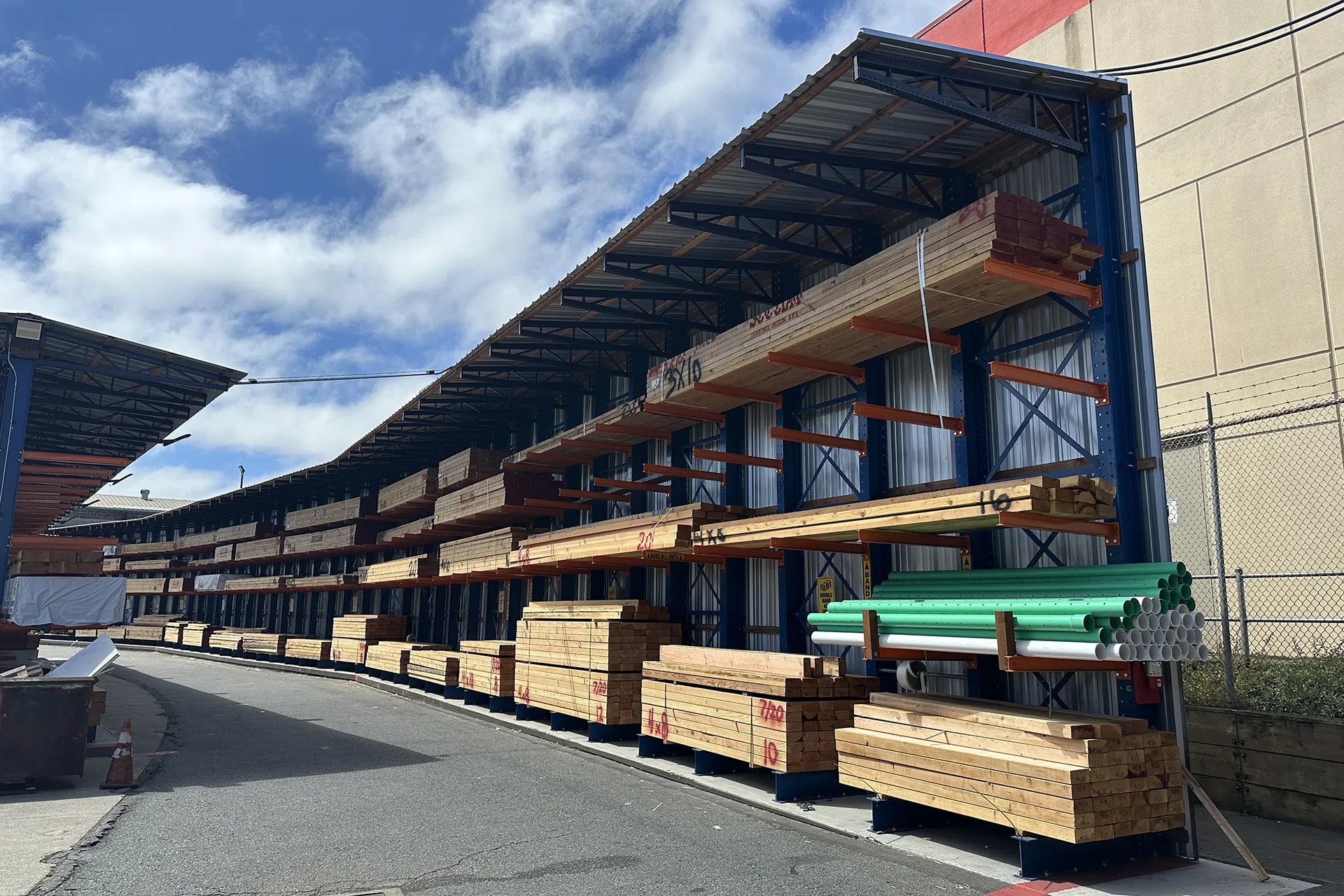
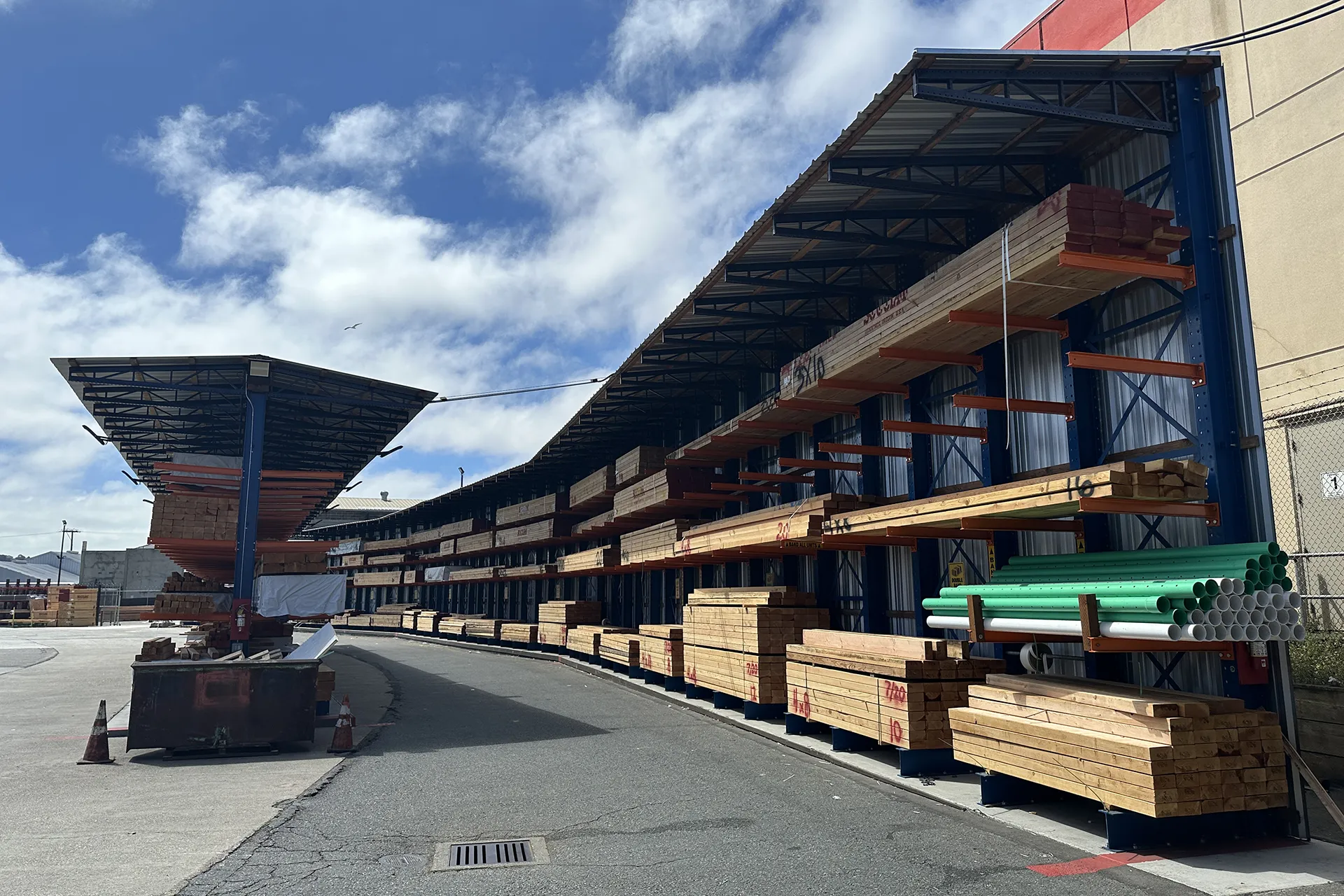
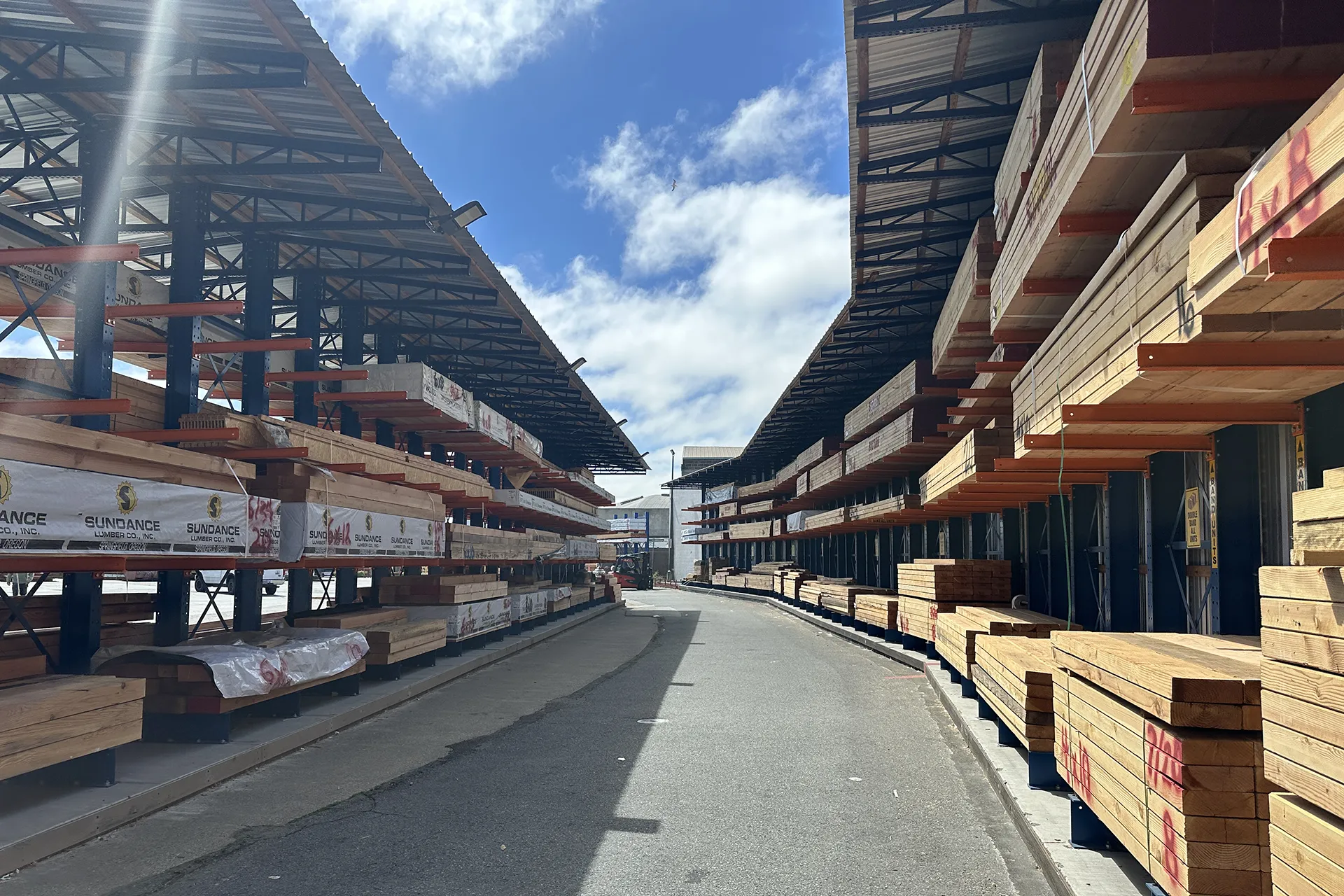
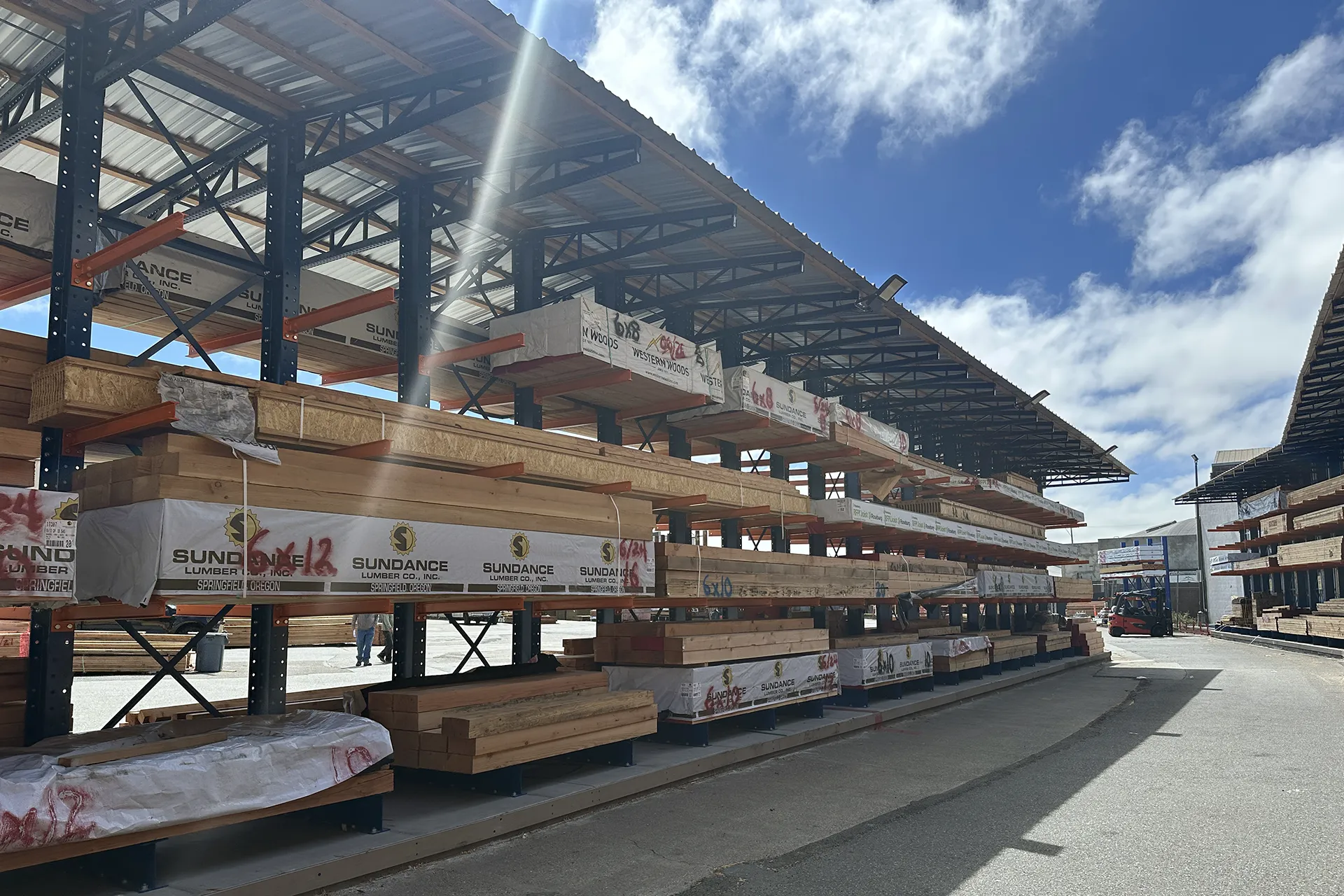
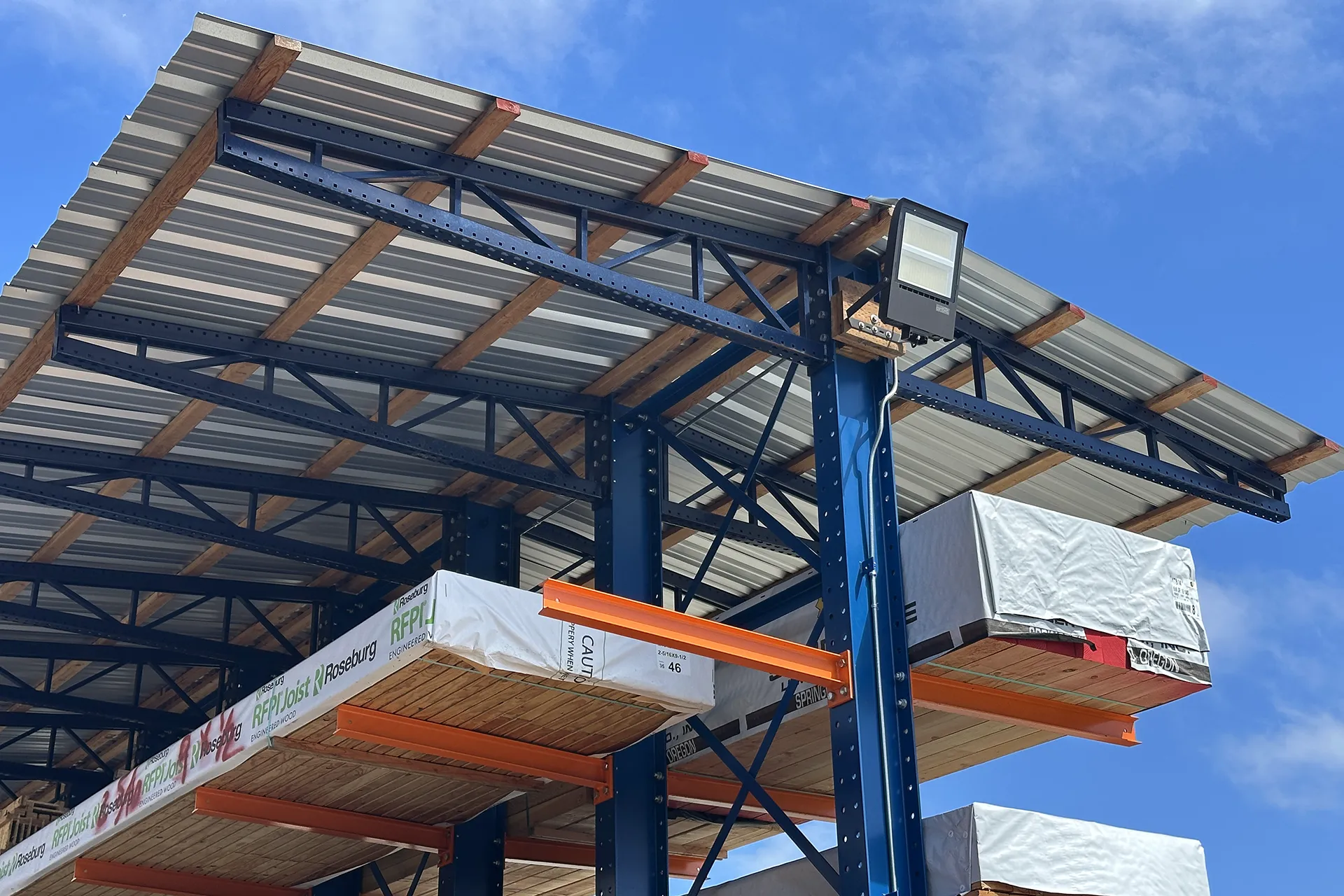
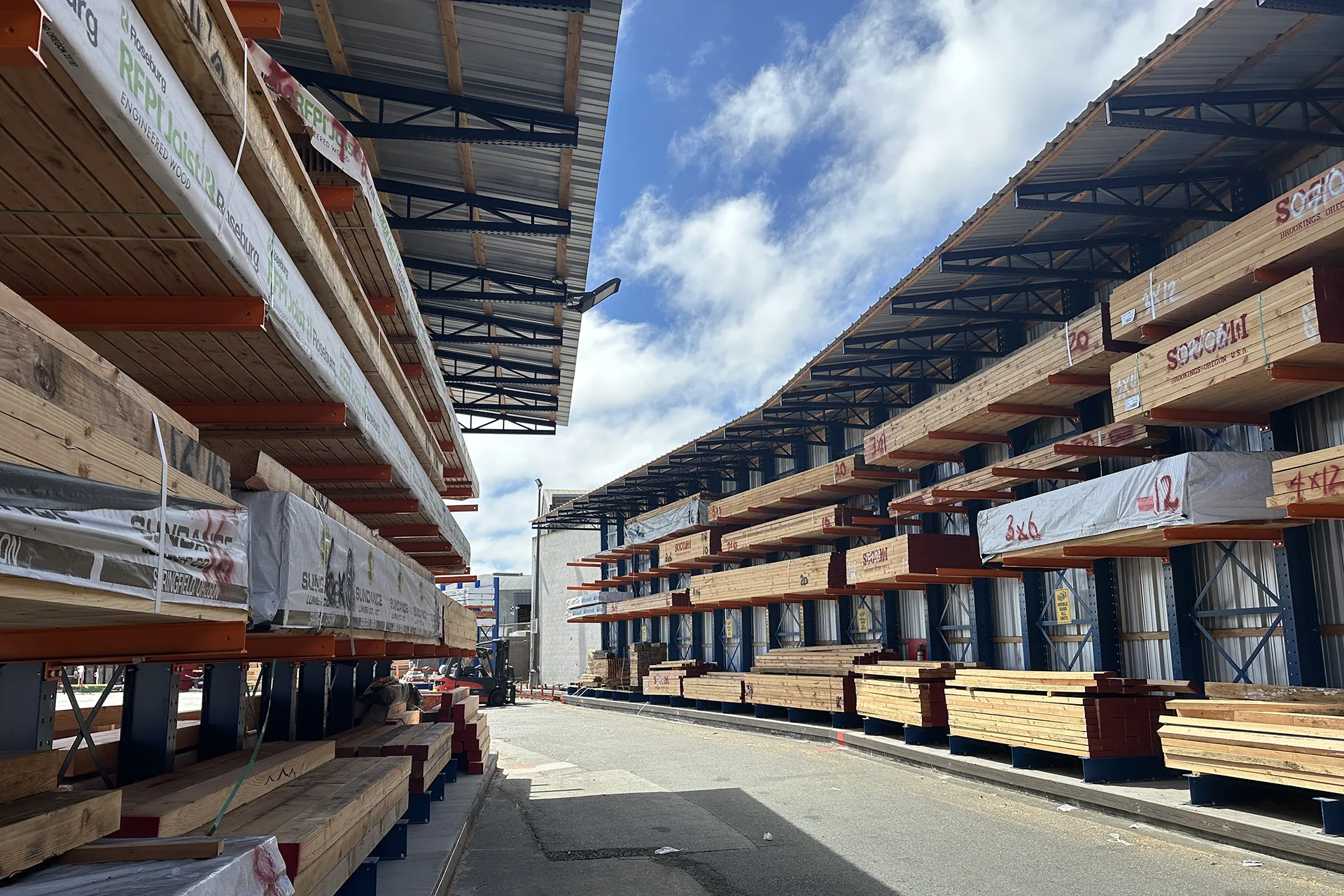
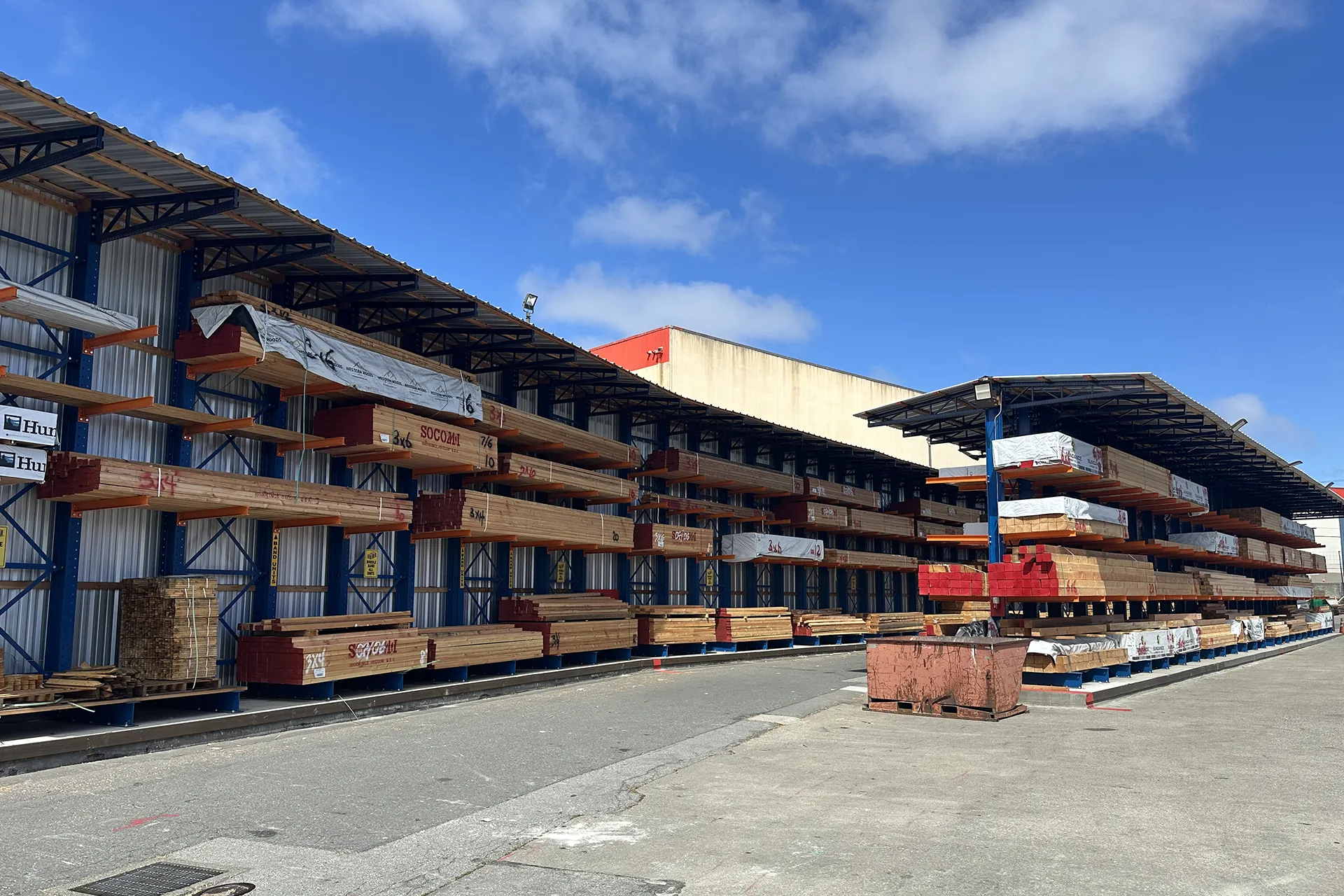
Lumber Company says: “Working with Speedrack West team has been a real pleasure. They made the whole process smooth and straightforward, and we’re 100% planning to come back again—which we actually just did recently.”


Derek Patterson says: “I would suggest that there should be no hesitation…from placing an order to getting everything delivered in such a timely manner. I had racking within 7 days compared to 4 to 6 weeks elsewhere. The customer service level is fabulous.”
Contact Us Today! We're Ready To Help!