


Pallet Racking in Philadelphia, PA
Warehouse racking in Philadelphia has to fit port-fed cold storage, I-95 distribution buildings, and a growing base of life sciences suppliers. We design, permit, and install industrial pallet racking for Philadelphia sites from South Philadelphia to the Northeast, plus Bucks, Montgomery, Chester, and Delaware Counties and South Jersey. Pallet rack inspection for Philadelphia, PA facilities runs on the same team. Every layout is drawn to the city's current building code before steel ships.


Pallet Racking Delivery and Services in Philadelphia, PA
Most standard racking orders to Philadelphia can arrive in as little as
5–7 DAYS
Actual delivery times vary. Large projects, structural systems, and permit-tied orders may take longer. We ship from multiple U.S. locations – once we see your scope, we’ll give you a real lead time.
Pallet Racking Services We Provide in Philadelphia

Inspection Method
Green/Yellow/Red Tagging
Federal Standard
29 CFR 1910.176(b)
Our inspectors check columns, anchor plates, struts, beams, and frames at every rack position, then tag each one green, yellow, or red. Port-area and last-mile buildings run heavy forklift traffic, so upright impact damage gets checked first. You get a written, position-by-position report, and red-tagged components go straight onto a replacement schedule. Your forklifts keep running while we inspect.
Design Standard
ANSI MH16.1
Building Code
2021 IBC, ASCE 7-16
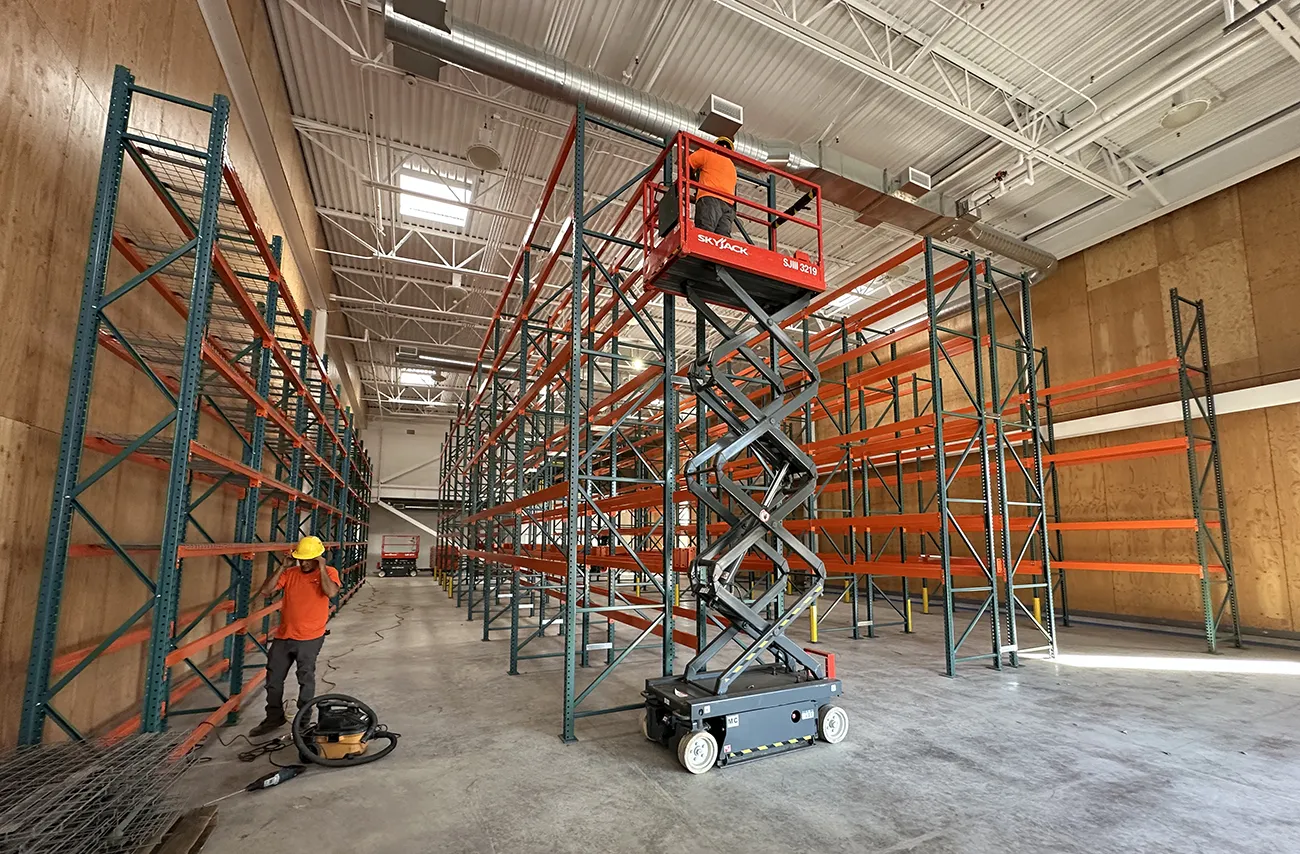
Our crews anchor every upright to the slab per the stamped drawings, set beam elevations to the approved plan, and lock each beam connection with safety clips. Warehouse rack installation in Philadelphia often happens inside occupied buildings, so work can be phased row by row to keep receiving docks open. Before we leave, load plaques go up on every row showing the engineered capacity of each level.

Local Authority
Philadelphia L&I
Code Edition
2021 I-Codes
Pallet rack design in Philadelphia starts with the permit set: stamped drawings, structural calculations, and a dimensioned floor plan. If the top of storage goes above 12 feet, we add the rack layout, flue spaces, aisle widths, and commodity details the fire review needs. We carry the application through review and answer comments until it clears. A complete package the first time is what keeps your install date from slipping.
Shop Our Products




Discover
300+
products
Racking Built for Philadelphia’s Port and I-95 Warehouses
Racking Built for Philadelphia’s Port and I-95 Warehouses
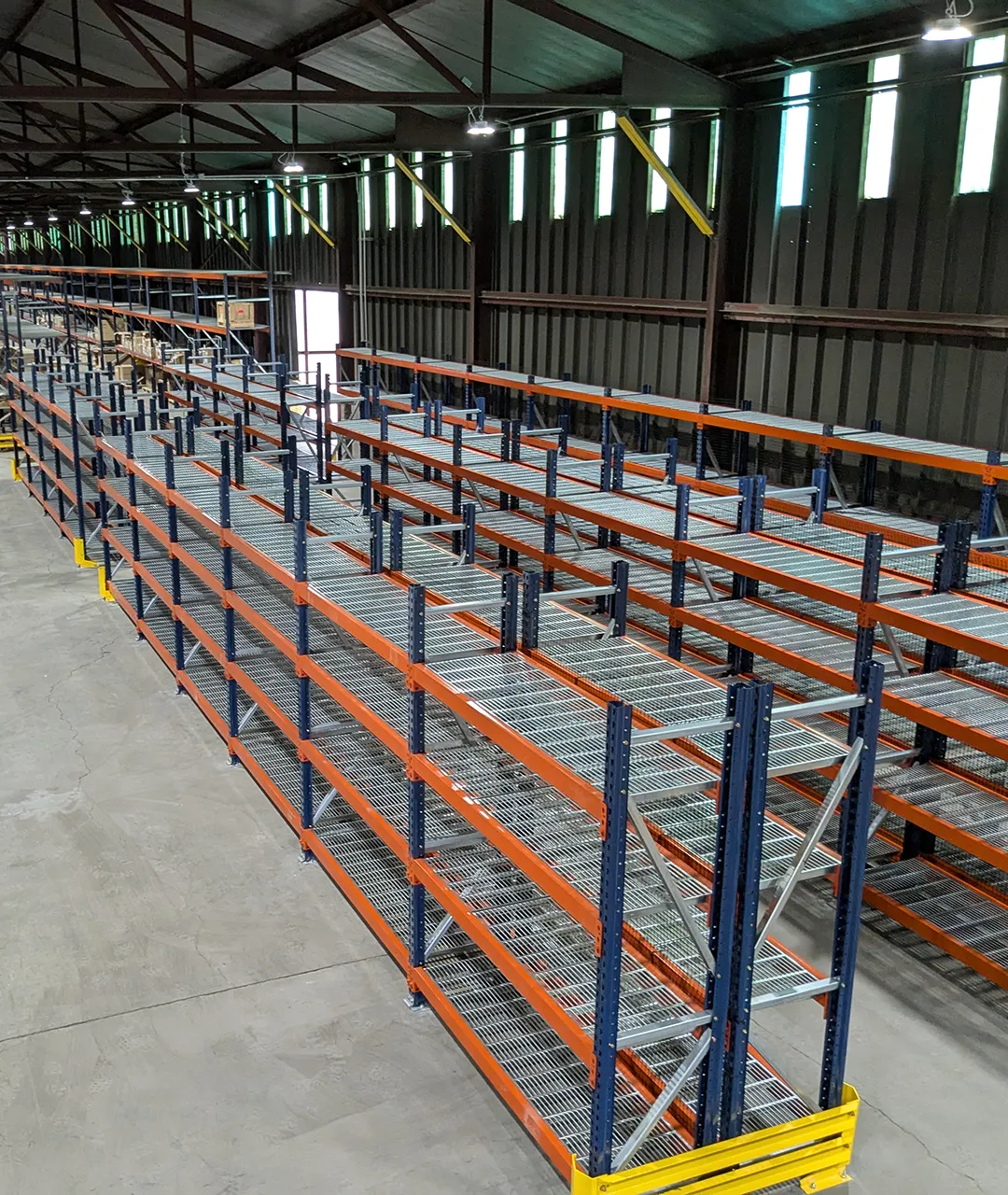
The Port of Philadelphia is the largest fresh fruit importer on the East Coast, and that cargo moves through a regional network of cold storage and temperature-controlled space. We specify warehouse racking in Philadelphia for those buildings, from pallet flow in cooler lanes to selective rack at cross-dock sites.
Closer to the city, infill buildings serve last-mile distributors and a growing mix of healthcare and life sciences tenants. Those footprints are tight, so our industrial pallet racking layouts for Philadelphia sites are drawn around column grids, dock doors, and sprinkler heads.
Philadelphia sits on I-95 and the Pennsylvania Turnpike, with Norfolk Southern and CSX intermodal yards inside the market. Pallet rack inspection and repair in Philadelphia, PA run through the same project team that designs and permits your system.

Requirements and Regulations Specific to Racking in Philadelphia, PA
Who You'll Work With
Why This Matters for Philadelphia Operations
Key Requirements
-
Permit Requirement:
The permit exemption list in the Philadelphia Administrative Code covers movable cases, counters, and partitions up to 5 feet 9 inches. Storage racks are not on that list, so pallet rack installations should be treated as permitted work reviewed under the 2021 IBC with Pennsylvania and Philadelphia amendments.
-
Application:
Submittals go to the City of Philadelphia Department of Licenses and Inspections (L&I).
-
Seismic Design Category:
Philadelphia’s 2021 I-Codes reference ASCE 7-16 for seismic design loads. The seismic design category is not assigned citywide; it depends on each site’s soil class and mapped ground motion, so the engineer of record confirms it for every building.
-
Engineering:
Rack design follows ANSI MH16.1, the storage rack standard referenced by the IBC. Stamped calculations size base plates, anchors, frame bracing, and beam connections for the site’s design loads.
-
High-Piled Combustible Storage:
Philadelphia Fire Code Chapter 32 treats combustible storage with a top of storage above 12 feet as high-piled combustible storage. The submittal shows storage heights, rack tiers, commodity classification, aisle widths, and flue space dimensions, and a copy of the approved plan must be kept on the premises.
-
Sprinkler Coordination:
Chapter 32 plans must show commodity clearance between the top of storage and the sprinkler deflectors, plus the valves for any in-rack sprinklers. Rack heights and flue spaces are set around the existing sprinkler design before the layout is final.
-
Load Capacity:
Each beam level is rated from the pallet weights you actually store, and those ratings go on load plaques posted at the rack. Frame capacity is checked against beam spacing, since adding, removing, or moving a beam level changes what the upright can carry.
-
Anchoring:
Every upright is anchored to the slab with base plates and anchors sized in the stamped calculations. Slab thickness and concrete strength are confirmed before design, because the anchor detail depends on them.
-
General Duty Clause:
Pennsylvania has no state OSHA plan for private employers, so Philadelphia warehouses fall under federal OSHA through its Philadelphia Area Office. The General Duty Clause and 29 CFR 1910.176(b), which requires stored material to be stable and secure, are the rules applied to rack conditions.
-
Ongoing Compliance:
Bent uprights, missing safety clips, and overloaded beams are the conditions inspectors look for first. Scheduled rack inspections with written, position-by-position records show that damage was found and corrected.
-
Pre-Install Engineering Review:
Before any steel ships, our team audits your order against your site dimensions, forklift class, and pallet specs. We catch specification errors before they leave our facility – and we document everything so your receiving team knows exactly what to expect at the dock.
-
Post-Install Verification:
After installation, the finished rack is checked against the approved drawings: beam elevations, anchor count, row spacing, and plaque capacities. L&I inspections are scheduled under the permit, and the approved high-piled storage plan stays on site for the fire code official.
-
Zoning Compliance:
The Philadelphia Zoning Code (Title 14) places warehousing in its industrial districts: I-1 for small-scale wholesaling and local distribution, I-2 for manufacturing and distribution, and ICMX for mixed commercial and light industrial use. A change of use requires a zoning permit from L&I, and uses not allowed by right go to the Zoning Board of Adjustment.
-
Site-Specific Checks:
Indoor or outdoor bulk storage classified as Equipment and Materials Storage Yards and Buildings needs a use registration permit in I-2 and ICMX districts. Properties on the Philadelphia Register of Historic Places may also need Historical Commission approval before L&I accepts a permit application.
Pallet Racking for Philadelphia Industries
Philadelphia’s industrial space is shaped by the port, the I-95 corridor, and a growing life sciences base. Each one loads rack differently.
Food, Beverage & Cold Storage
Logistics & Other Distribution
Medical, Lab & Scientific Manufacturing
We are Philadelphia’s largest pallet rack and material handling distributor!
What Pallet Rack type is right for you?
In Philadelphia, Pennsylvania, the right racking system depends on your industry, throughput, and facility layout. Port-fed cold storage, I-95 distribution, and life sciences supply chains across the Delaware Valley each call for a different pallet rack design in Philadelphia. If you’re not sure which fits, that’s the conversation we want to have first.
Selective Pallet Racks
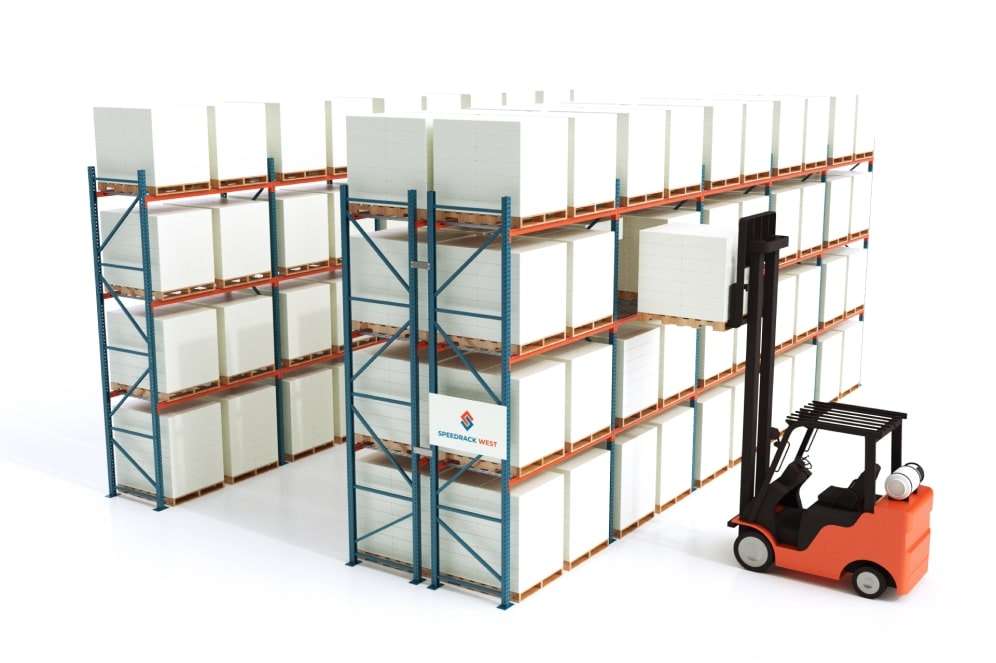
The most common type of pallet racking system. It provides direct access to each pallet, making it suitable for warehouses with a wide variety of products.
Advantages
Flexibility, ease of access, and compatibility with most types of forklifts.
Compliance
Must meet structural and seismic requirements as outlined in the local building codes and ASCE 7 standards.
Advantages
Flexibility, ease of access, and compatibility with most types of forklifts.
Compliance
Must meet structural and seismic requirements as outlined in the local building codes and ASCE 7 standards.

Drive-In/Drive-Through Racks
Designed for high-density storage, allowing forklifts to drive directly into the rack to place or retrieve pallets. Drive-In racks have one entry and exit point, while Drive-Through racks have entry and exit points on both sides.
Advantages
Maximizes storage space by reducing aisle space.
Compliance
Requires careful design and anchorage to meet safety standards, especially in seismic zones.
Advantages
Maximizes storage space by reducing aisle space.
Compliance
Requires careful design and anchorage to meet safety standards, especially in seismic zones.

Push-Back Racks
A high-density storage system where pallets are loaded from the front and pushed back on inclined rails. When a pallet is removed, the next pallet automatically moves forward.
Advantages
Increases storage density while providing better access to products compared to drive-in racks.
Compliance
Needs to adhere to local structural requirements and periodic inspections for safety.
Advantages
Increases storage density while providing better access to products compared to drive-in racks.
Compliance
Needs to adhere to local structural requirements and periodic inspections for safety.

Pallet Flow Racks
Utilizes gravity flow lanes to move pallets from the loading side to the picking side. Ideal for first-in, first-out (FIFO) inventory management.
Advantages
Efficient for warehouses with high turnover rates and expiration-sensitive products.
Compliance
Requires detailed structural analysis and compliance with seismic bracing standards.
Advantages
Efficient for warehouses with high turnover rates and expiration-sensitive products.
Compliance
Requires detailed structural analysis and compliance with seismic bracing standards.
Designing Your Pallet Rack
Try our Pallet Rack Builder to design your system and get instant final pricing upon checkout.
Try Pallet Rack BuilderDo you serve warehouses outside Philadelphia city limits?
Yes. We take warehouse rack installation projects across the Philadelphia region, including Bucks, Montgomery, Chester, and Delaware Counties and South Jersey.
How does Pennsylvania’s 2021 code update affect a Philadelphia racking project?
Since July 1, 2026, every new permit application in Philadelphia must meet the 2021 I-Codes. Rack drawings stamped under the 2018 codes need to be revised before they are submitted.
Does pallet racking in Philadelphia need seismic engineering?
Yes. Racks are designed to ANSI MH16.1 with seismic loads per ASCE 7-16, the standard the 2021 IBC uses in Philadelphia, and the engineer confirms the site’s seismic design category from soil data.
Key Notions
Pallet racks are known throughout the industry by many names. Below are some of the more common terms that are used interchangeably for pallet racking.
- Industrial shelving
- Industrial pallet racks
- Stacking Rack
- Warehouse shelving
- Industrial racking systems
- Load-bearing Rack
- Warehouse racking systems
- Pallet rack systems
- Bulk Storage Rack
- Warehouse racks
- Pallet racking storage
- Heavy-Duty Rack
- Pallet racking
- Pallet racking uprights and beams
- Pallet Shelving
- Warehouse racking
- Industrial Rack
- Logistics Rack
- Warehouse pallet shelving rack
- Racking System
- Palletized Storage System
- Storage racking
- Shelving Unit
- Freight Storage Rack
- Warehouse storage racks
- Material Handling Rack






Irving Nieves says: “It's been an easy process working with the Speedrack West team, even with the changes partway through.”


Scott Misso says: “Everything works as expected. Designed as it should be. Good job!”


Kyle Gersman says: “I called Bill multiple times a day and he always picked up and was always very helpful. What I really liked is that they pointed out a lot of questions and processes that I didn't even have on my radar going into the move. It helped me expand the scope to an appropriate size of what I needed to consider as we made the transition to a bigger facility.”


Robert Baumgartner says: “Despite picking up this project in the middle of its lifecycle, the transition was flawless thanks to the team’s stellar communication. They exceeded our expectations by delivering the installation earlier than anticipated and hitting every technical requirement. From the sales team’s quick answers to their willingness to make adjustments, the experience was top-tier.”


Consolidated Supply says: “We’re very happy to be your regular client, and it’s always so easy to work with your team”


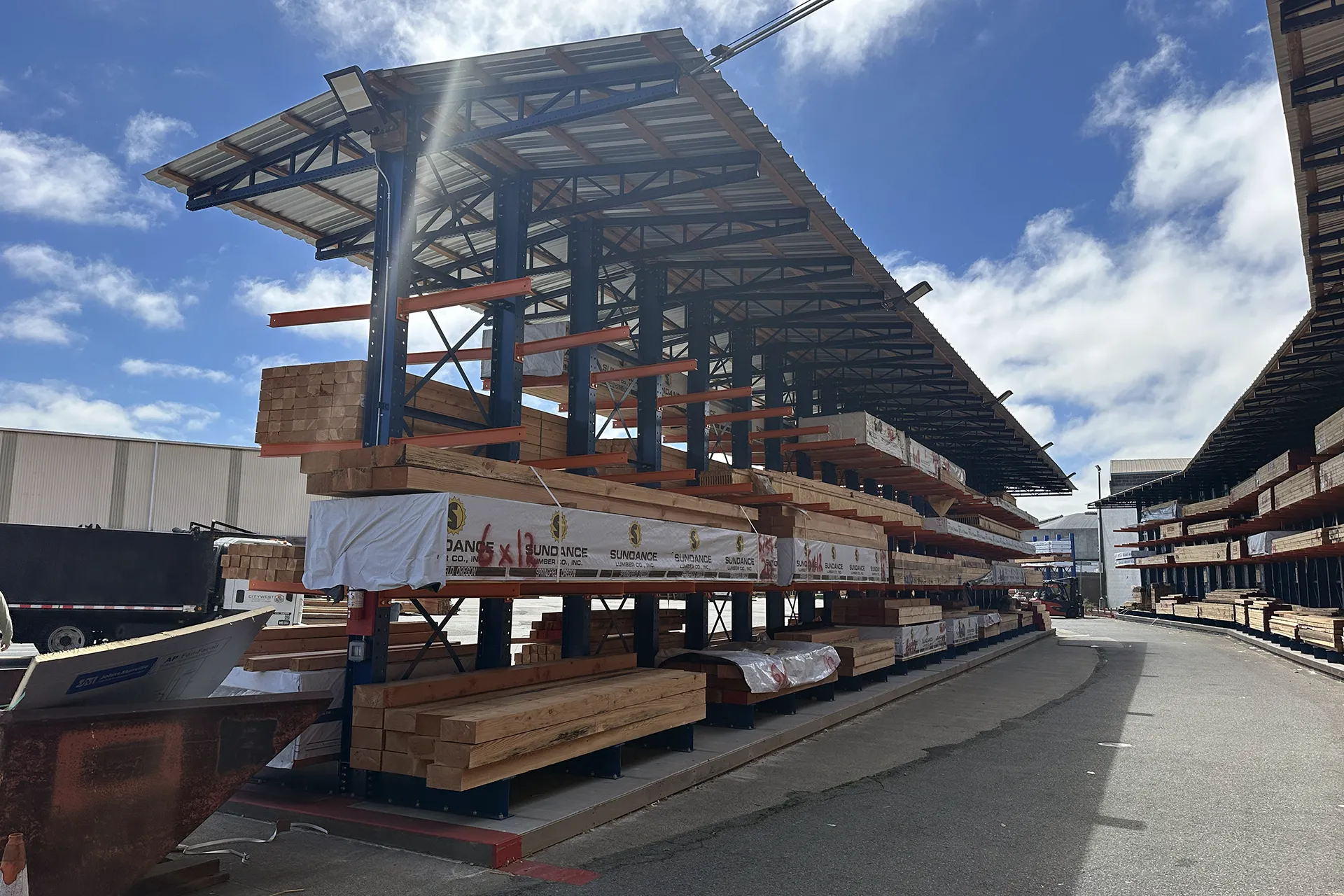
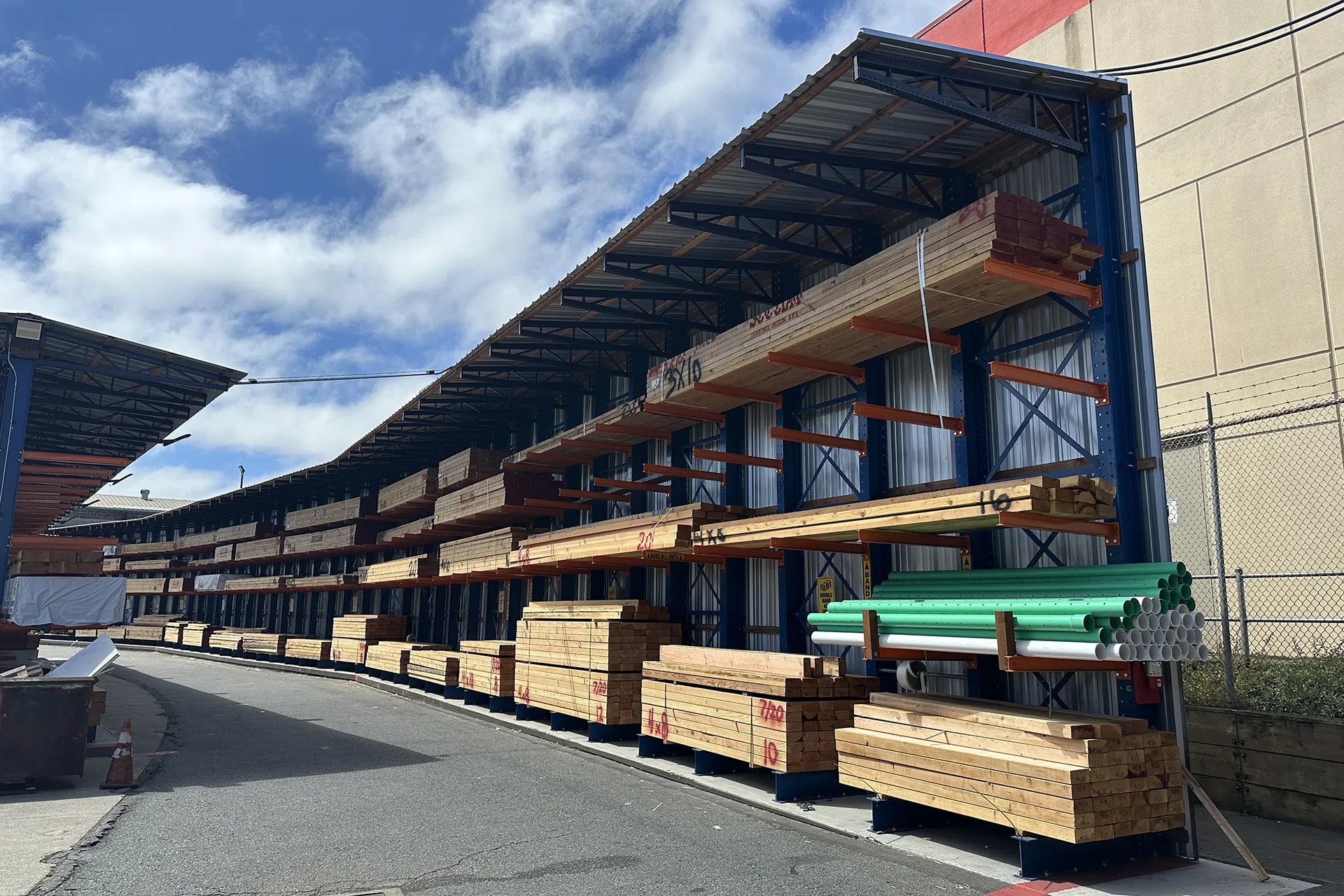
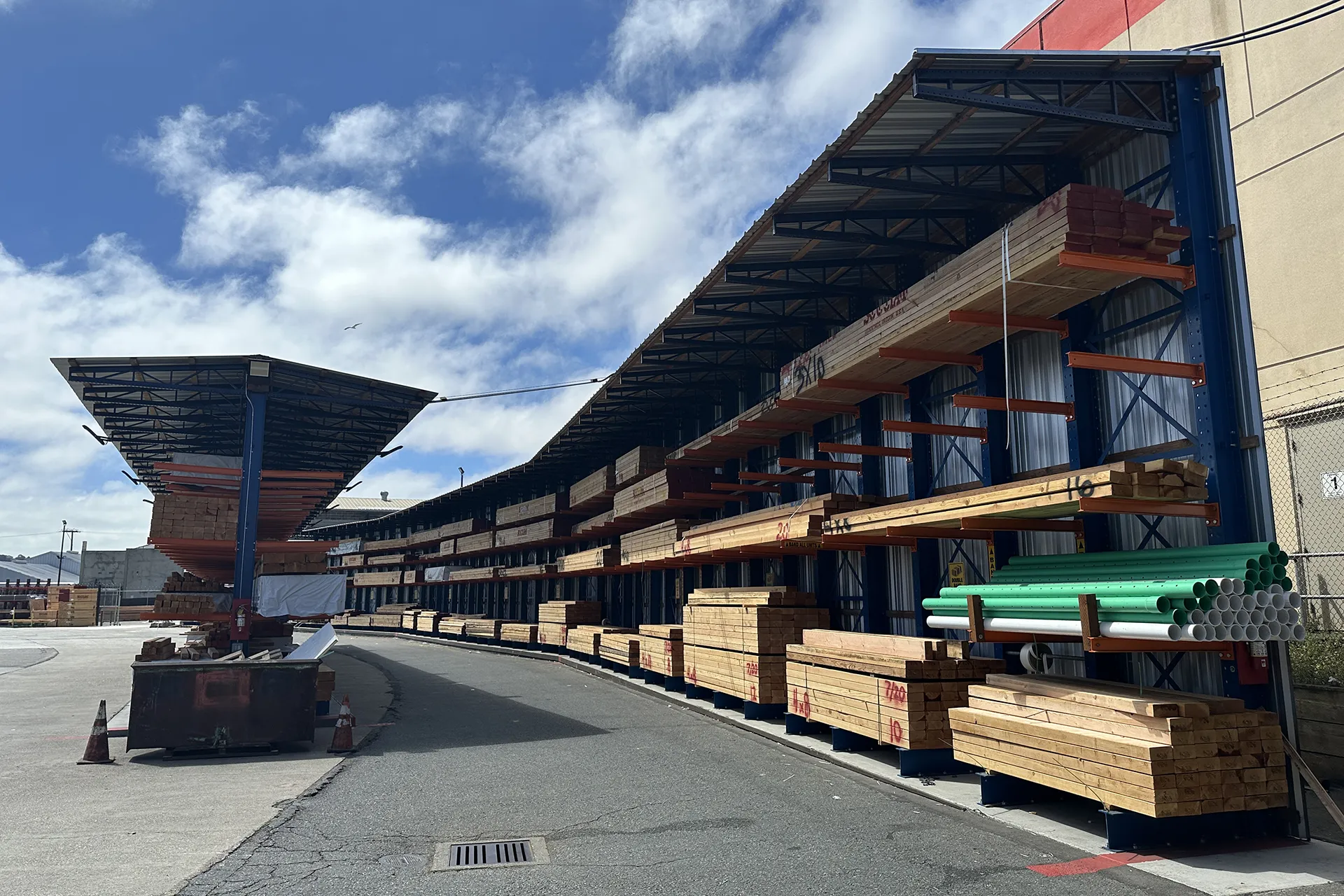
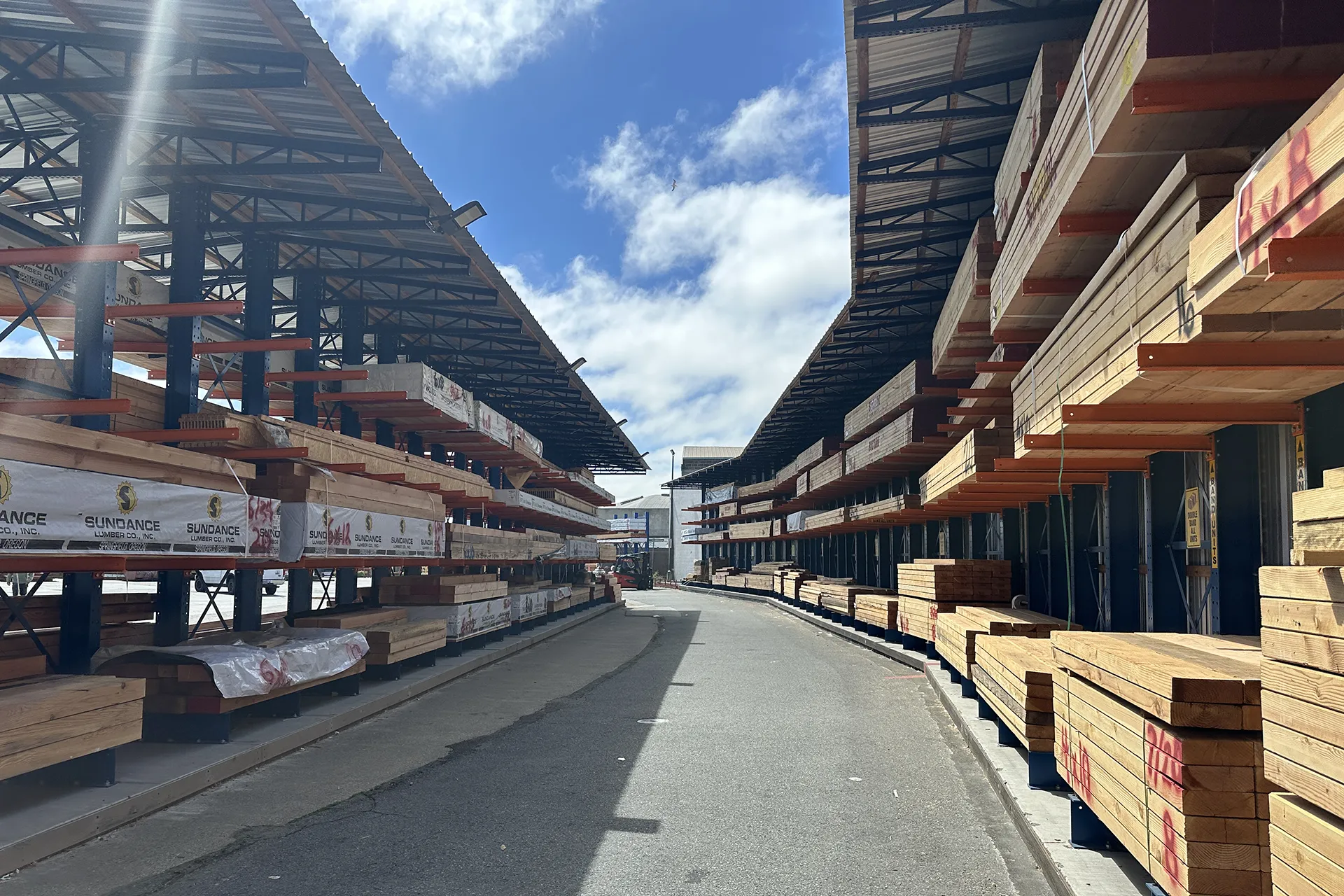
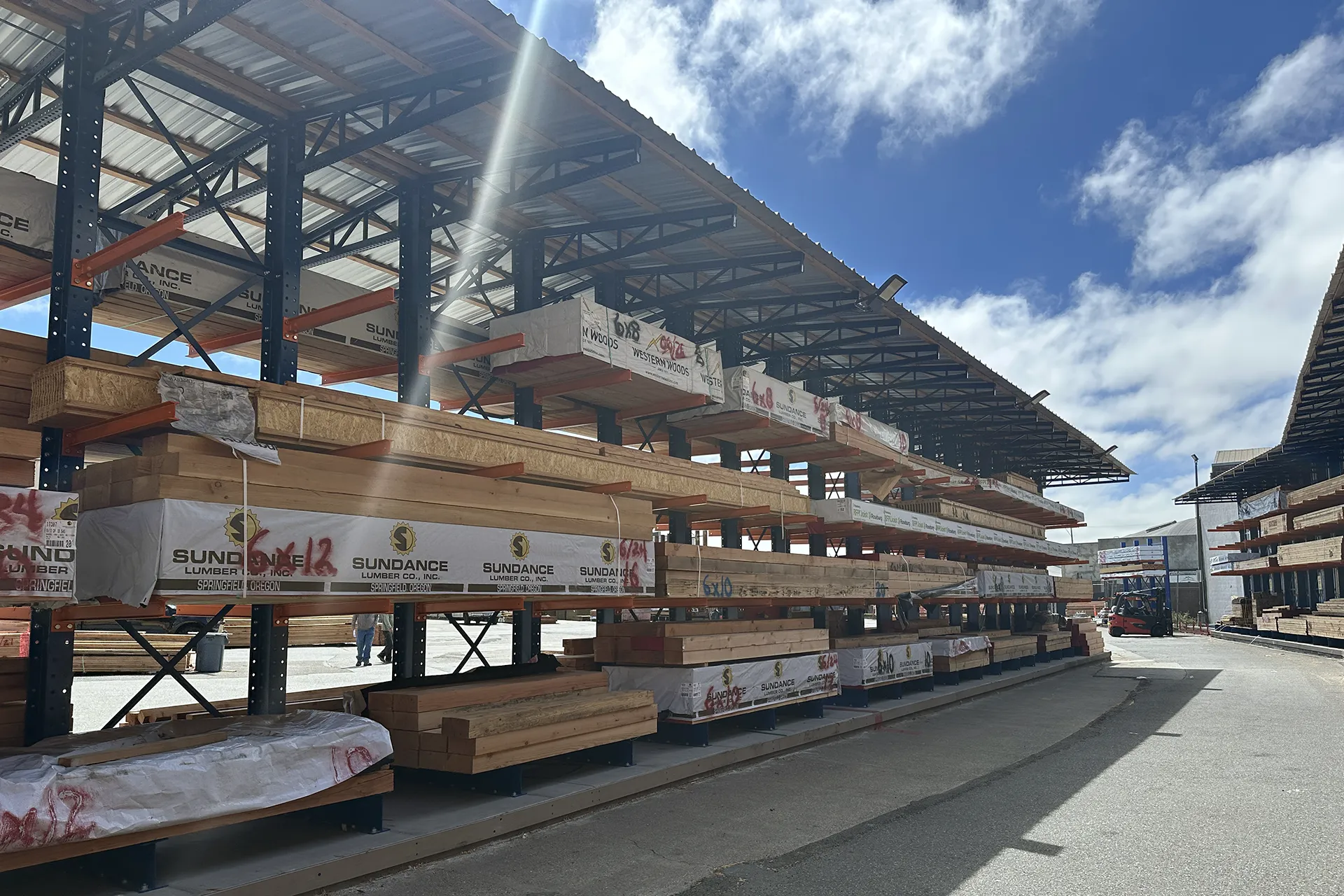
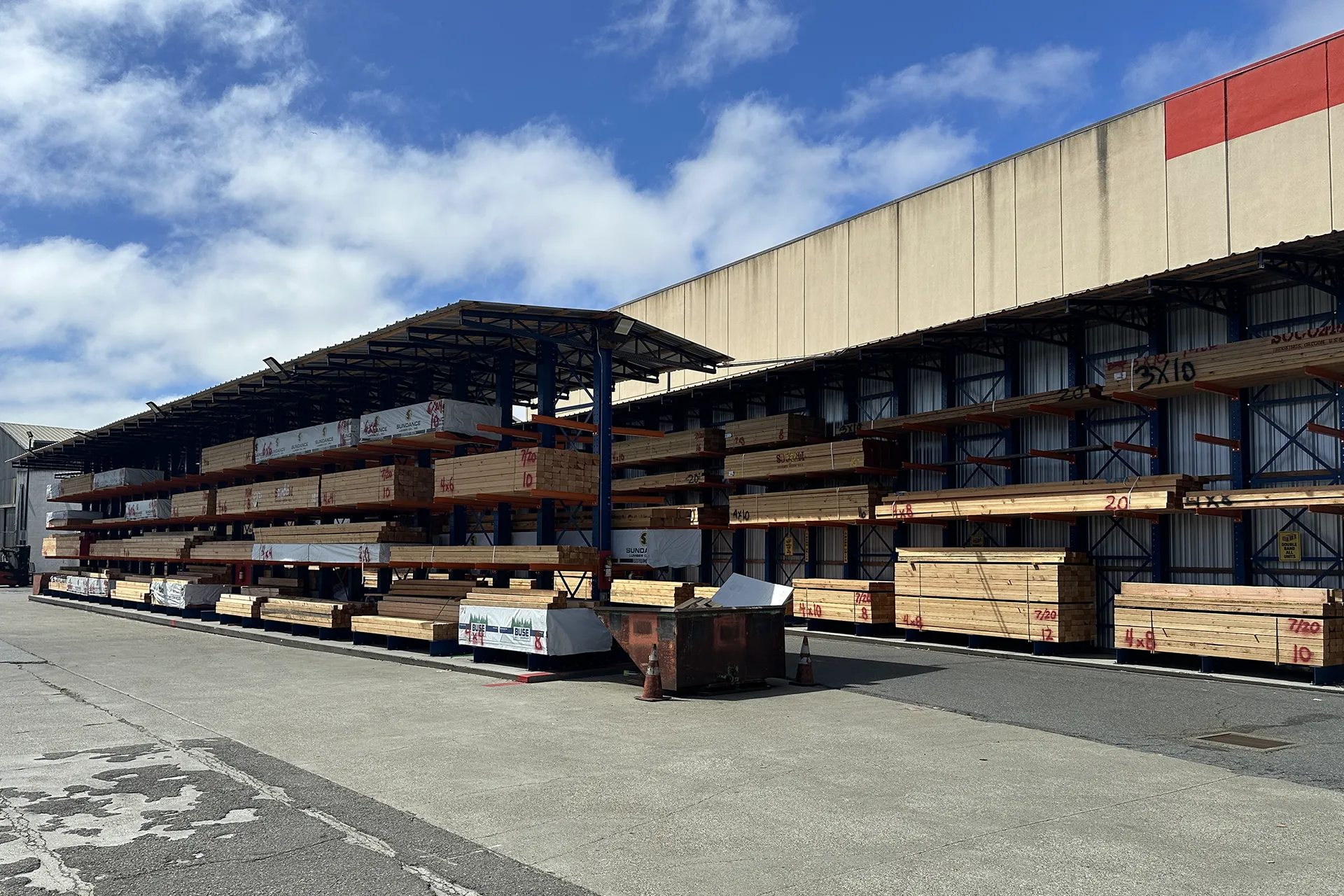
Lumber Company says: “Working with Speedrack West team has been a real pleasure. They made the whole process smooth and straightforward, and we’re 100% planning to come back again—which we actually just did recently.”


Derek Patterson says: “I would suggest that there should be no hesitation…from placing an order to getting everything delivered in such a timely manner. I had racking within 7 days compared to 4 to 6 weeks elsewhere. The customer service level is fabulous.”
Need Warehouse Help in Philadelphia? Let’s Talk.