


Seattle, WA and the surrounding area
Seattle Pallet Racking & Warehouse Solutions
Get pallet racking specced right, shipped on time, and permitted clean across the Kent Valley, Tacoma, Everett, and the broader Puget Sound. Selective, FIFO pallet flow, drive-in, drive-through, pushback, narrow-aisle, and used pallet racking, engineered for Washington seismic and ready to ship from multiple U.S. locations.


Shipping & Service Coverage
Most standard racking orders to Seattle can arrive in as little as
2–3 DAYS
Garrison’s Furniture in Medford got their racking in 7 days when the industry standard was 4–6 weeks. Large projects, structural systems, and permit-tied orders take longer. Once we see your scope, we’ll give you a real lead time, not a hopeful one.
Relevant Services for Seattle, WA
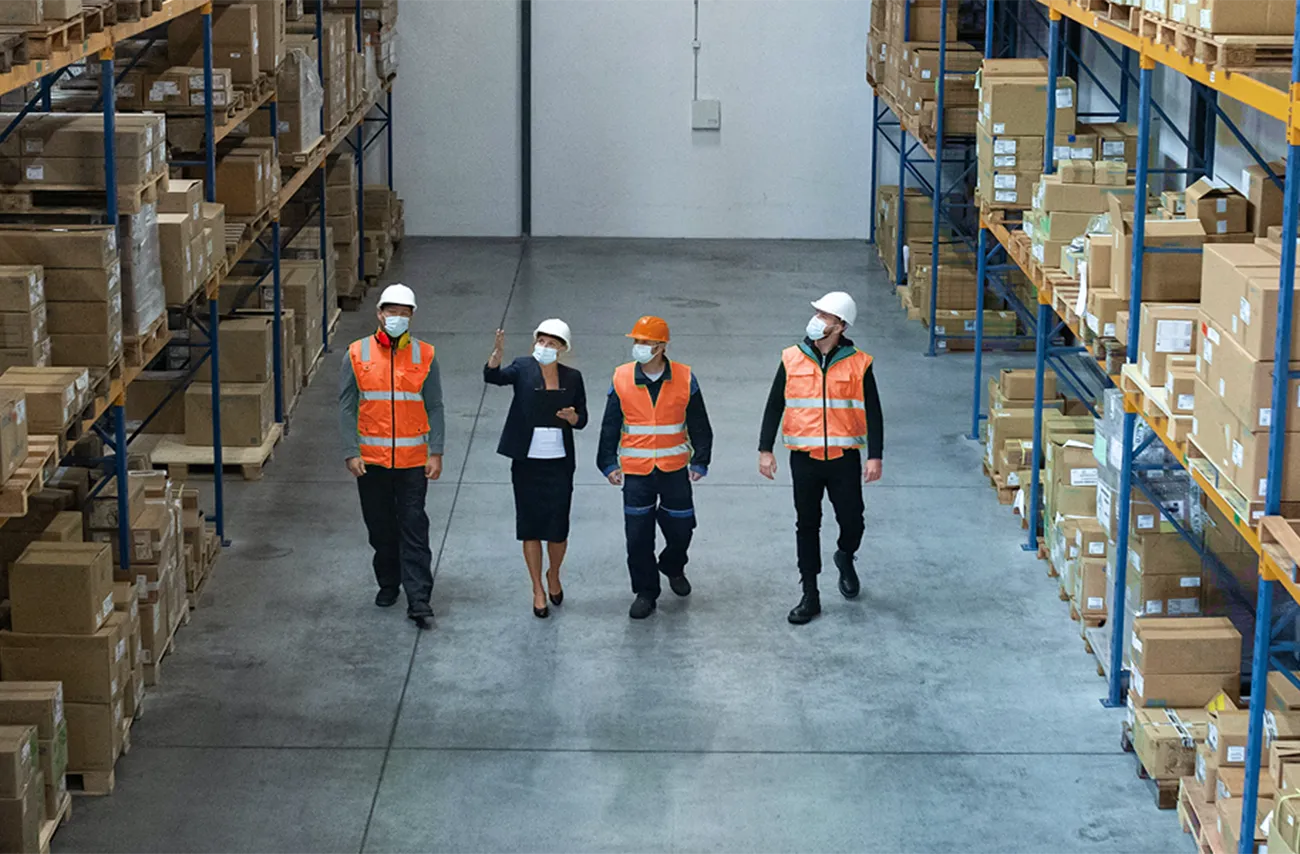
Seismic Standard
IBC 2021 + ASCE 7-16
Rack Design Code
ANSI MH16.1
Every system we supply into Seattle is engineered to meet Washington State seismic requirements. Your racks won’t fail a structural review, and we provide the documentation to prove it. The same audit-grade inspection work we did across Evraz Oregon Steel Mills (now serving 12+ of their warehouse sites) comes standard with Seattle work.
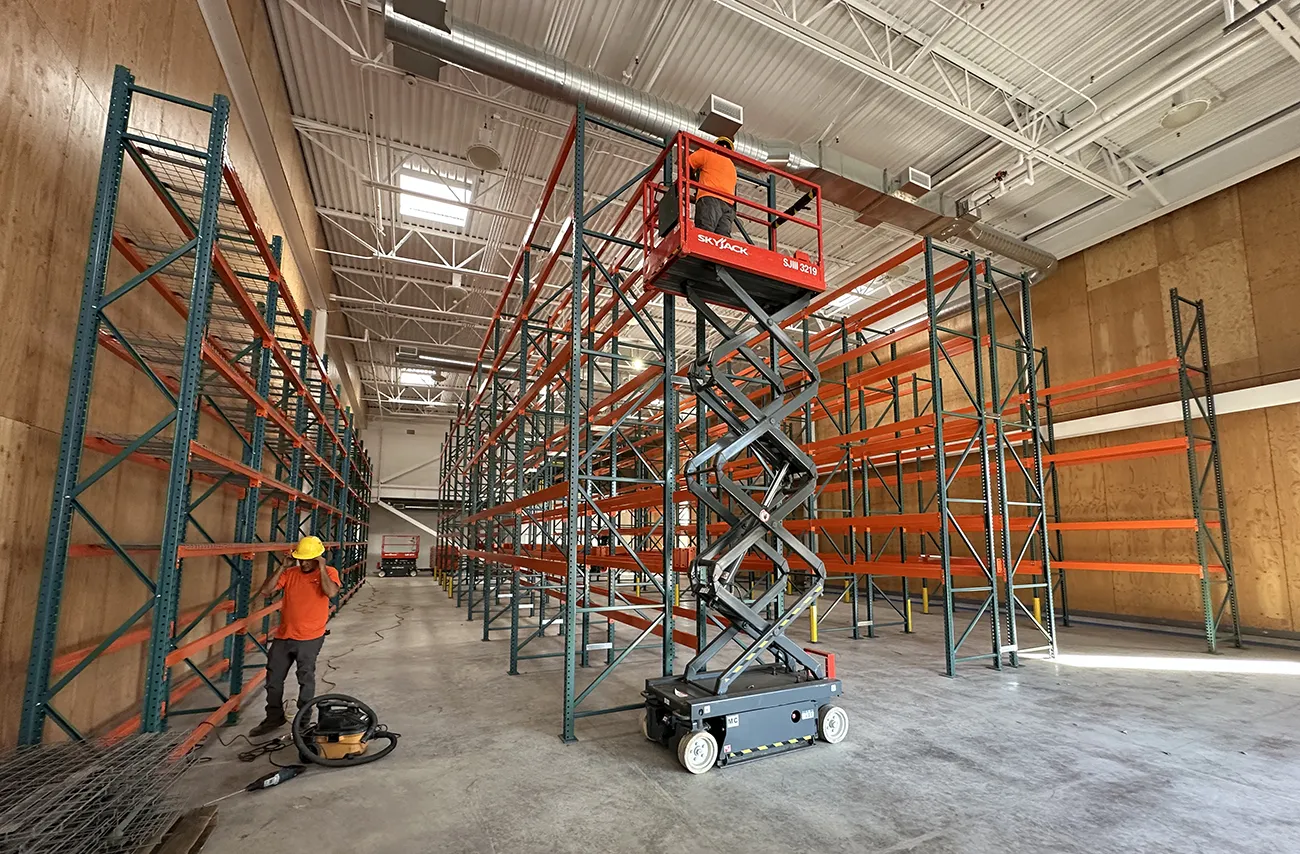
Possible Coverage
Remote Design + On-Site Install
Lead Time
From 2–3 Days
Turnkey crews handle anchor drilling, plumb, level, labeling, and load testing before leaving your site. We’ve installed across active Puget Sound distribution centers without shutting operations down, sequencing around your shifts, your dock schedule, and your sprinkler windows. We coordinate with your GC, fire marshal, and forklift dealer so you’re not on three calls at once.
Local Authority
King County + Seattle Fire
Our Goal
First-Pass Approval
We prepare the full permit package, stamped engineering drawings, rack elevations, and commodity classification, so your high-piled storage permit clears King County and the Seattle Fire Department on the first review. If your sprinkler designer or fire marshal needs us on the call, we’re on the call.
Shop Our Products




Discover
300+
products

Seattle, Washington State Seismic Codes & Permitting
Yes. Pallet racking permits are required in Seattle, particularly because of the region’s seismic activity. For high-piled combustible storage, the Seattle Fire Department and King County require stamped engineering plans that comply with local building codes. Contact us or the Seattle Department of Construction & Inspections to begin the process, we handle the package end-to-end so your permit doesn’t bounce.
Why This Matters for Seattle Operations
Who You'll Work With
Key Requirements
-
Permit Requirement::
A building permit is required for pallet racking installations in Seattle. The permit confirms your racking system meets local building codes, structural integrity, seismic anchorage, and load capacity before the system goes into service.
-
Application::
Submittals go through the Seattle Department of Construction & Inspections (SDCI), or King County Building if your site is unincorporated in the Kent, Auburn, or Renton corridor. The package needs stamped engineering plans, load calculations, seismic anchorage specs, and elevation drawings. We prepare the full package and target first-pass approval.
-
Seismic Design Category::
Seattle sits directly above the Seattle Fault and in the shadow of the Cascadia subduction zone, two distinct seismic hazards. Typical industrial sites fall under Seismic Design Category D per ASCE 7-16, high seismic risk, with mandatory engineered anchorage and lateral bracing on all racking systems.
-
Engineering::
Every Seattle installation includes stamped seismic anchorage calculations, wedge anchors torqued to spec, and footplates rated to actual site loads. SDCI sees real numbers tied to your slab and soil conditions.
-
High-Piled Combustible Storage::
Anything stacked over 12 feet typically triggers a high-piled storage permit from the Seattle Fire Department. This is the most common fire-related permit for warehouse racking, and the one that most often catches operators off guard mid-project.
-
Sprinkler Coordination::
Racking cannot interfere with sprinkler coverage. If new racks change ceiling-to-pile heights, sprinkler design usually needs adjustment too. We prepare the commodity classification per NFPA 13 and coordinate directly with your sprinkler designer and the fire marshal so both packages clear together.
-
Load Capacity::
Every rack we install gets a capacity label rated to the actual configuration, not a generic spec sheet. The label tells your team and the inspector exactly what each level can hold.
-
Anchoring::
Slab anchorage is critical for any Seattle installation. We calculate anchorage specific to your concrete thickness, slab condition, and site soil class, then torque-test every anchor before turnover.
-
General Duty Clause::
OSHA Section 5(a)(1) requires employers to provide a workplace free from recognized hazards. Pallet rack violations are among the most common citations during industrial inspections, and financial penalties adjust annually for inflation. A documented, engineered system is the cleanest defense.
-
Ongoing Compliance::
We provide capacity labeling, safe-access design, and a maintenance handoff at the end of every install so your team knows what to inspect monthly and what to escalate. Recurring safety inspections are available as a service when you want a documented compliance trail.
-
Pre-Install Engineering Review::
Before any steel ships, our team audits your order against your site dimensions, forklift class, and pallet specs. We’ve caught customer measurement errors worth $1,000+ before they ever left our yard.
-
Post-Install Verification::
Once installed, the system is load-tested and labeled. SDCI conducts the final compliance inspection. We provide the documentation they need (stamped drawings, anchor torque records, capacity certifications) so the inspection passes the first review.
-
Zoning Compliance::
Seattle’s industrial and commercial zones generally permit warehouse racking without variance, but installations that change building occupancy classification adding mezzanine floor area, or shifting an S-2 warehouse toward S-1 high-hazard storage can trigger reclassification.
-
Site-Specific Checks::
Shoreline overlay zones near the Port of Seattle, Harbor Island, and Lake Union require additional environmental review. If your facility falls within a shoreline jurisdiction, we flag it early and route the package through the right SDCI reviewer.
Pallet Racking for Pacific Northwest Industries
No matter your industry or project size, from a single-bay expansion to a full warehouse build, Speedrack West has the system and the engineering for it. Here are the industries we most commonly serve across Western Washington:
E-commerce, Tech Logistics & 3PLs
Aerospace & Manufacturing
Maritime Shipping (Port of Seattle)
We are Seattle’s largest pallet rack and material handling distributor!
What Pallet Rack type is right for you?
In Seattle, WA, the right racking system depends on your industry, throughput, and facility layout. Here are the types most commonly used across King County and the Puget Sound, from Port of Seattle transloaders to Kent Valley fulfillment centers to Everett aerospace suppliers. If you’re not sure which fits, that’s the conversation we want to have first.
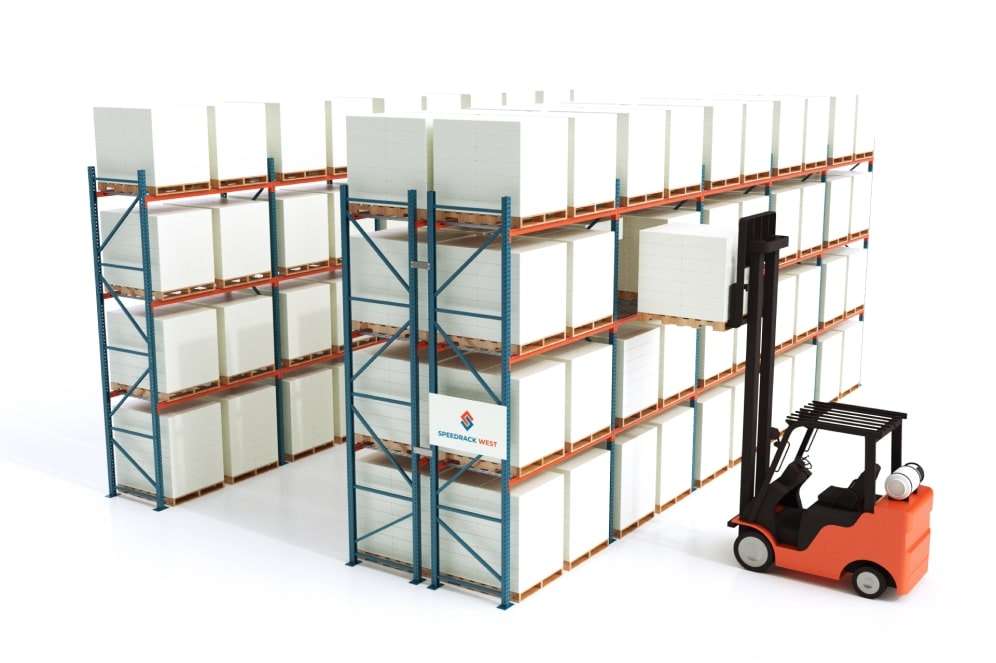
Selective Pallet Racks
The most common type of pallet racking system. It provides direct access to each pallet, making it suitable for warehouses with a wide variety of products.
Advantages
Flexibility, ease of access, and compatibility with most types of forklifts.
Compliance
Must meet structural and seismic requirements as outlined in the local building codes and ASCE 7 standards.
Advantages
Flexibility, ease of access, and compatibility with most types of forklifts.
Compliance
Must meet structural and seismic requirements as outlined in the local building codes and ASCE 7 standards.

Drive-In/Drive-Through Racks
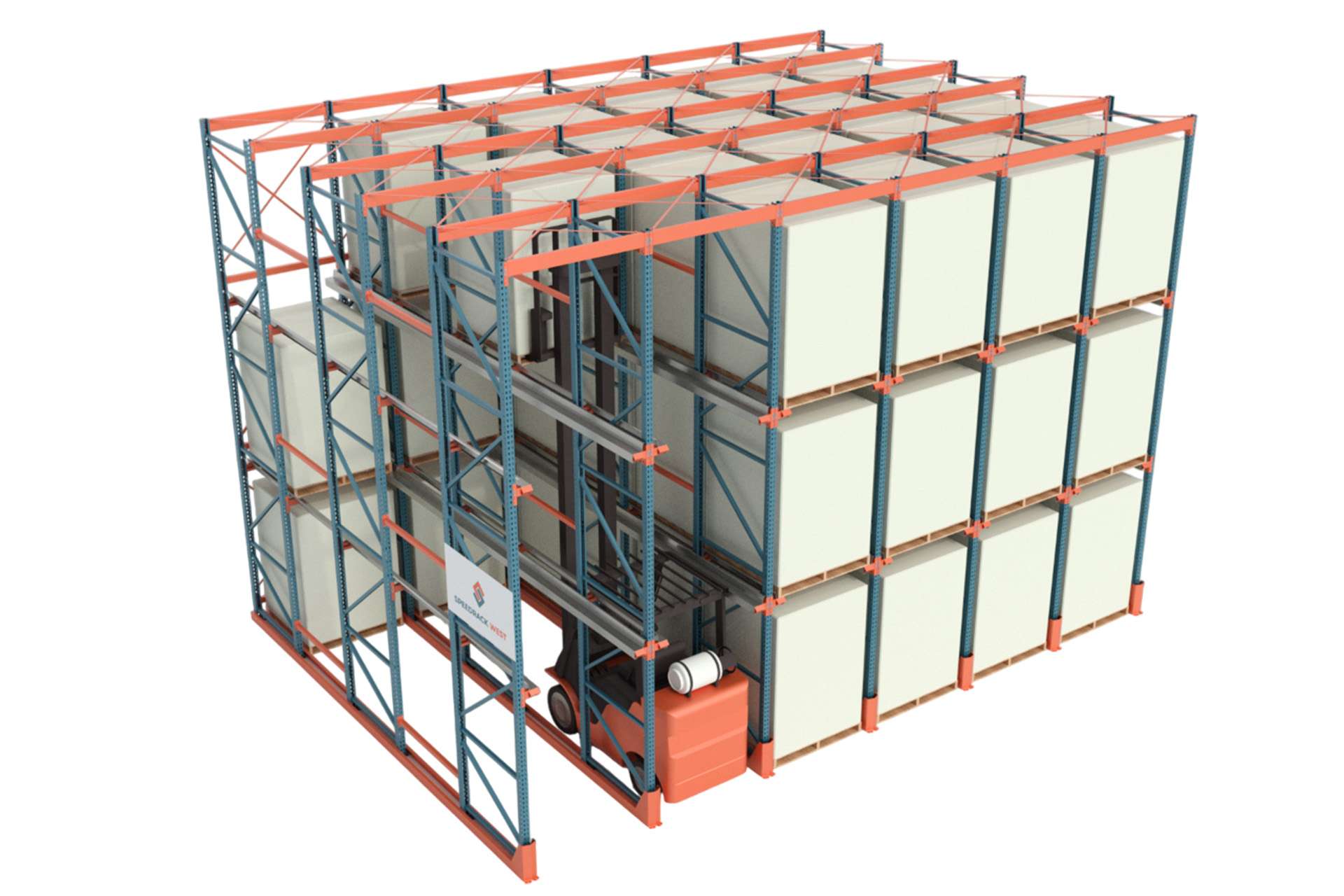
Designed for high-density storage, allowing forklifts to drive directly into the rack to place or retrieve pallets. Drive-In racks have one entry and exit point, while Drive-Through racks have entry and exit points on both sides.
Advantages
Maximizes storage space by reducing aisle space.
Compliance
Requires careful design and anchorage to meet safety standards, especially in seismic zones.
Advantages
Maximizes storage space by reducing aisle space.
Compliance
Requires careful design and anchorage to meet safety standards, especially in seismic zones.

Push-Back Racks
A high-density storage system where pallets are loaded from the front and pushed back on inclined rails. When a pallet is removed, the next pallet automatically moves forward.
Advantages
Increases storage density while providing better access to products compared to drive-in racks.
Compliance
Needs to adhere to local structural requirements and periodic inspections for safety.
Advantages
Increases storage density while providing better access to products compared to drive-in racks.
Compliance
Needs to adhere to local structural requirements and periodic inspections for safety.

Pallet Flow Racks
Utilizes gravity flow lanes to move pallets from the loading side to the picking side. Ideal for first-in, first-out (FIFO) inventory management.
Advantages
Efficient for warehouses with high turnover rates and expiration-sensitive products.
Compliance
Requires detailed structural analysis and compliance with seismic bracing standards.
Advantages
Efficient for warehouses with high turnover rates and expiration-sensitive products.
Compliance
Requires detailed structural analysis and compliance with seismic bracing standards.
Designing Your Pallet Rack
Try our Pallet Rack Builder to design your system and get instant final pricing upon checkout.
Try Pallet Rack BuilderHow do I choose between the different types of pallet racking in Seattle?
Start with how your inventory moves, not what the racking looks like. Fast-moving SKUs with broad variety usually point to selective pallet racking systems, every pallet is a pick face. Date-sensitive or batch inventory points to FIFO pallet flow rack systems, which rotate stock automatically. High-density single-SKU storage points to drive-in or drive-through pallet racking. If floor space is the bottleneck (and in Seattle, it usually is), narrow-aisle selective or pushback packs more positions into the same footprint. Most facilities end up running two or three types side by side, when we redesigned Consolidated Supply’s distribution warehouse, we combined pallet racks, boltless shelving, pipe bunks, and cantilever in one layout. Send us your SKU profile and pallet dimensions and we’ll spec the right mix.
Does your pallet rack installation team handle seismic anchoring?
Yes. Every Seattle install includes engineered seismic anchorage to Washington State Building Code, IBC 2021, and ASCE 7-16. Our crews drill, set, and torque anchors to the stamped drawing, and we provide the documentation King County and the Seattle Fire Department want to see during high-piled storage review. If you’ve inherited a system with questionable anchoring, we’ll inspect it and tell you what needs to be re-anchored, re-shimmed, or replaced.
Who handles the King County / Seattle Fire Department permit?
We do. The full package, stamped engineering drawings, rack elevations, commodity classification per NFPA 13, gets prepared and submitted by our team, with the goal of first-pass approval. If your sprinkler designer or fire marshal needs us in the room, we’re in the room.
Will your team actually walk my Seattle facility, or do you just sell from a catalog?
We do both online and on-site project work, and we’d rather see your floor than guess at it. For larger projects we’ll spec the layout from photos and dimensions, then walk it before install. Our crews are used to working inside live Puget Sound distribution centers, we sequence around your shifts so you don’t lose a day of throughput.
Do you provide pallet racking services in other cities across Washington State?
Yes, we provide pallet racking sales, design, and installation throughout Washington State. We regularly serve the broader Puget Sound region, including Tacoma, Everett, Kent, Renton, and Auburn, as well as other cities across the state. If your facility is outside the Seattle area, reach out, and we’ll confirm coverage and lead times for your specific location.






Irving Nieves says: “It's been an easy process working with the Speedrack West team, even with the changes partway through.”


Scott Misso says: “Everything works as expected. Designed as it should be. Good job!”


Kyle Gersman says: “I called Bill multiple times a day and he always picked up and was always very helpful. What I really liked is that they pointed out a lot of questions and processes that I didn't even have on my radar going into the move. It helped me expand the scope to an appropriate size of what I needed to consider as we made the transition to a bigger facility.”


Robert Baumgartner says: “Despite picking up this project in the middle of its lifecycle, the transition was flawless thanks to the team’s stellar communication. They exceeded our expectations by delivering the installation earlier than anticipated and hitting every technical requirement. From the sales team’s quick answers to their willingness to make adjustments, the experience was top-tier.”


Consolidated Supply says: “We’re very happy to be your regular client, and it’s always so easy to work with your team”


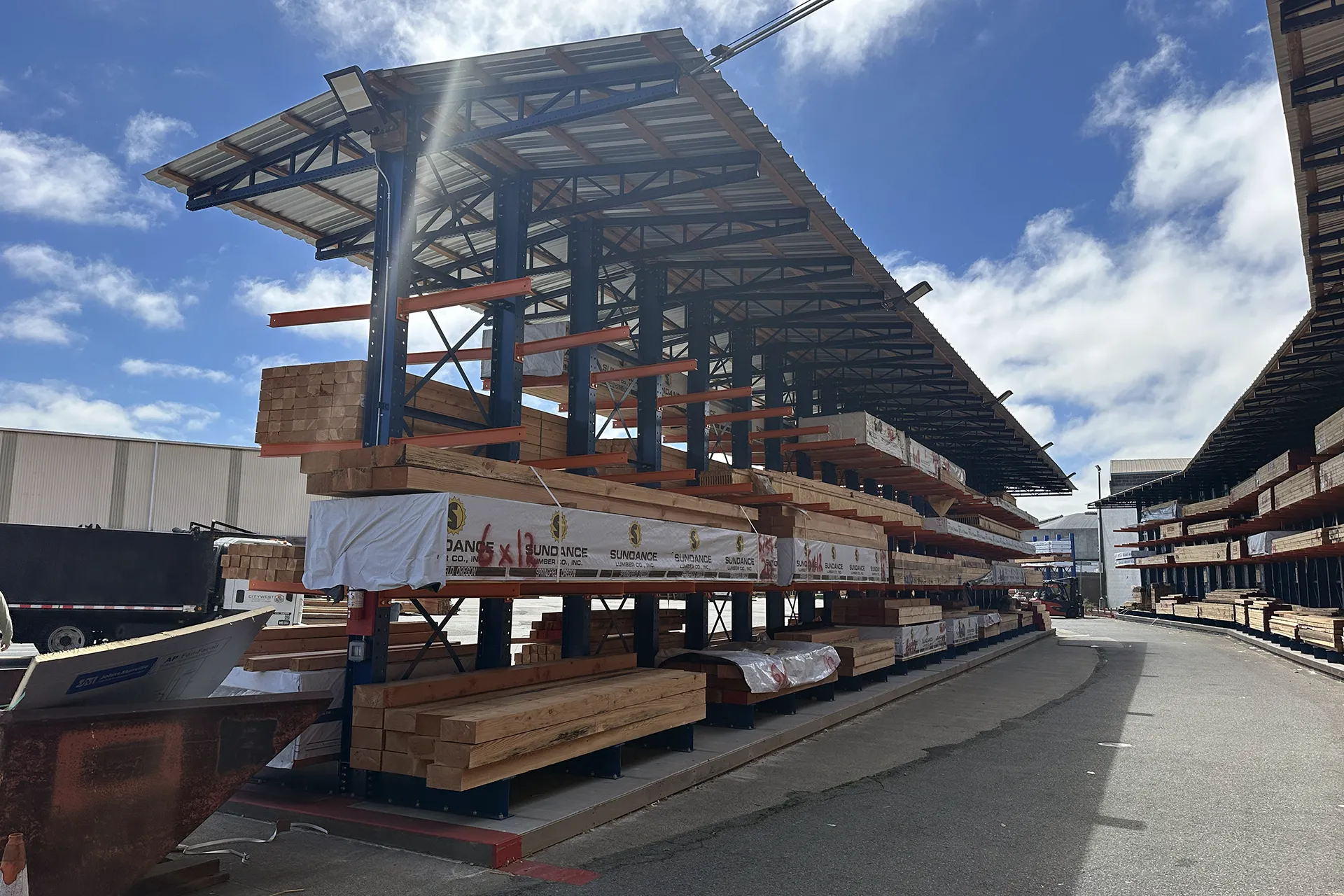
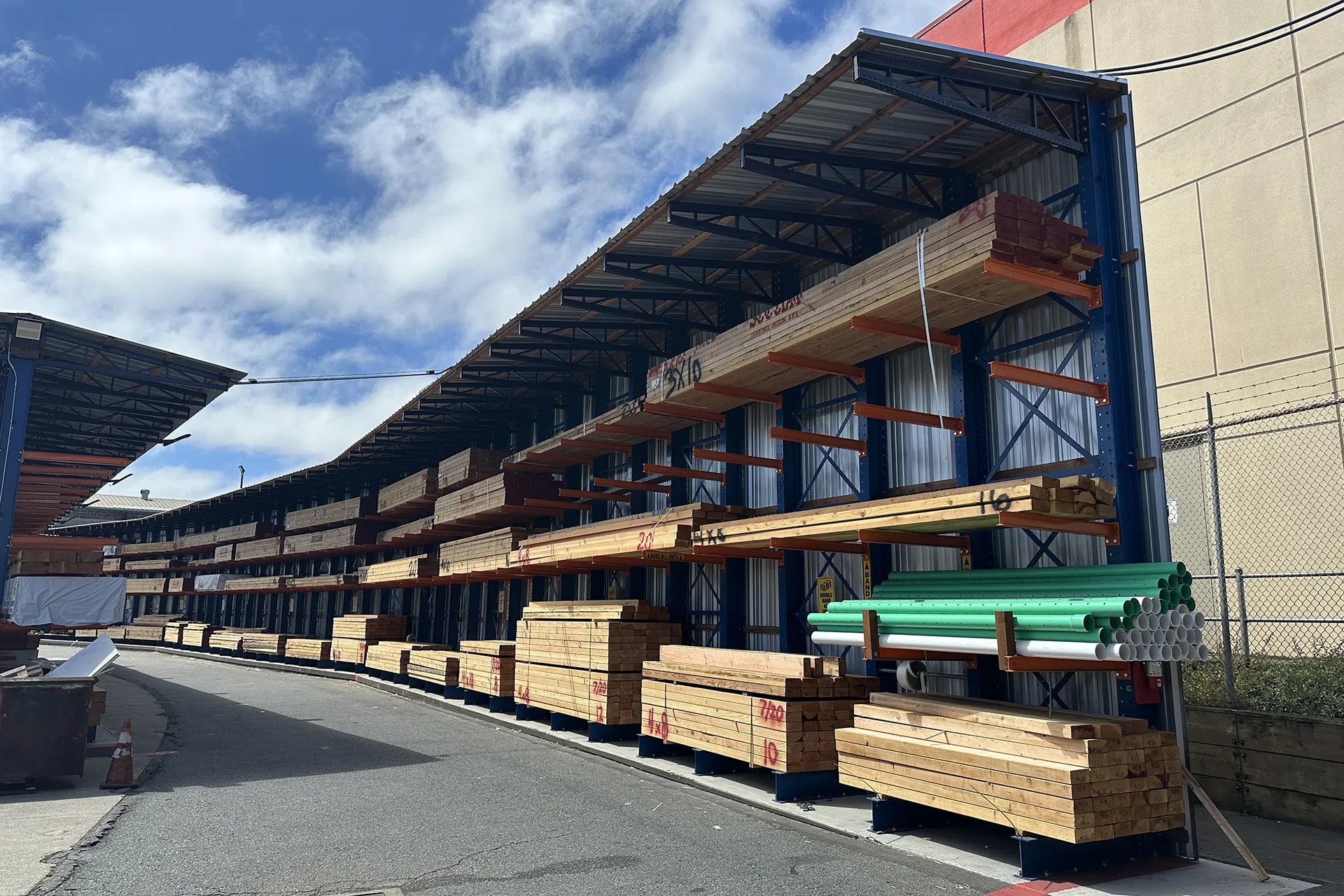
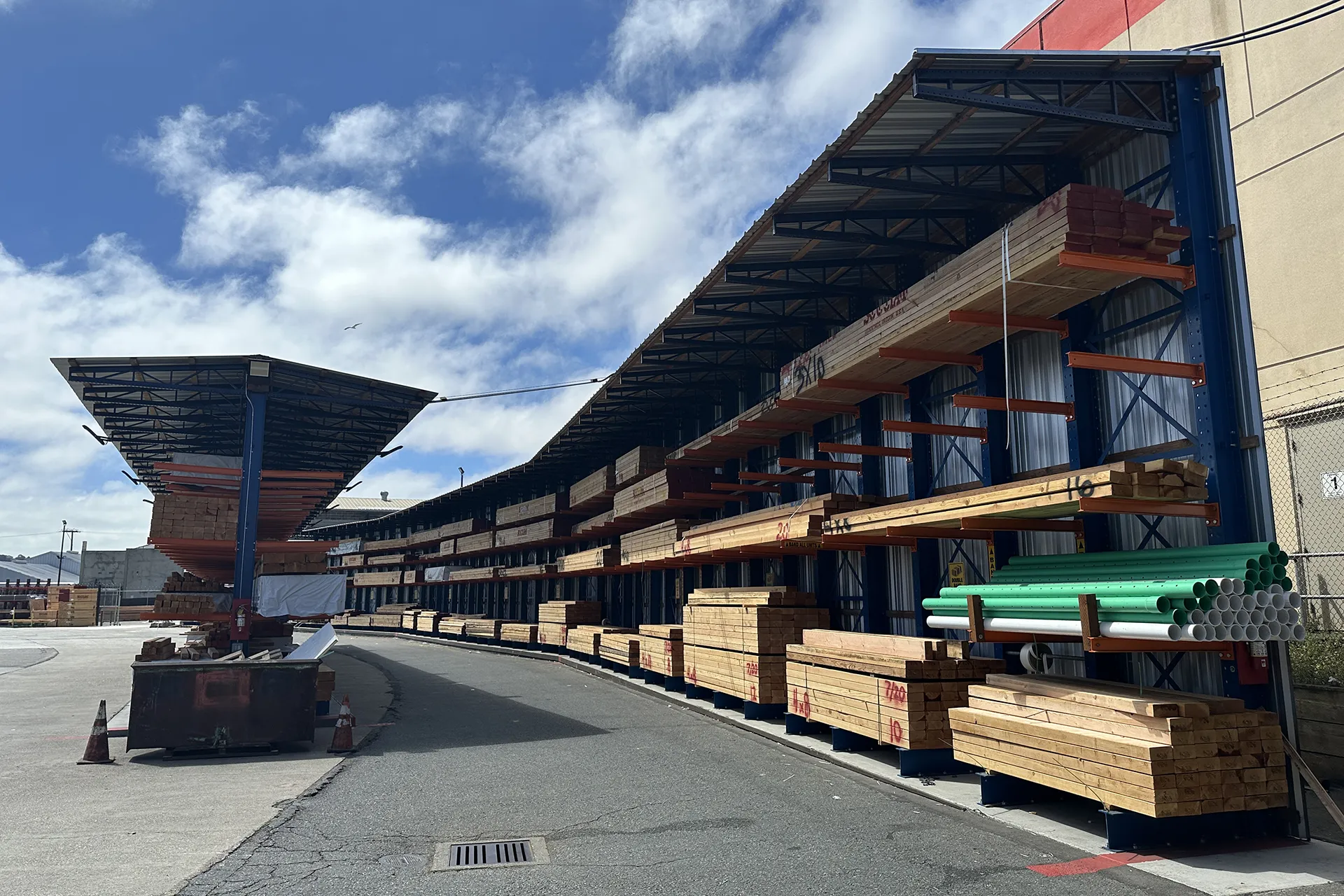
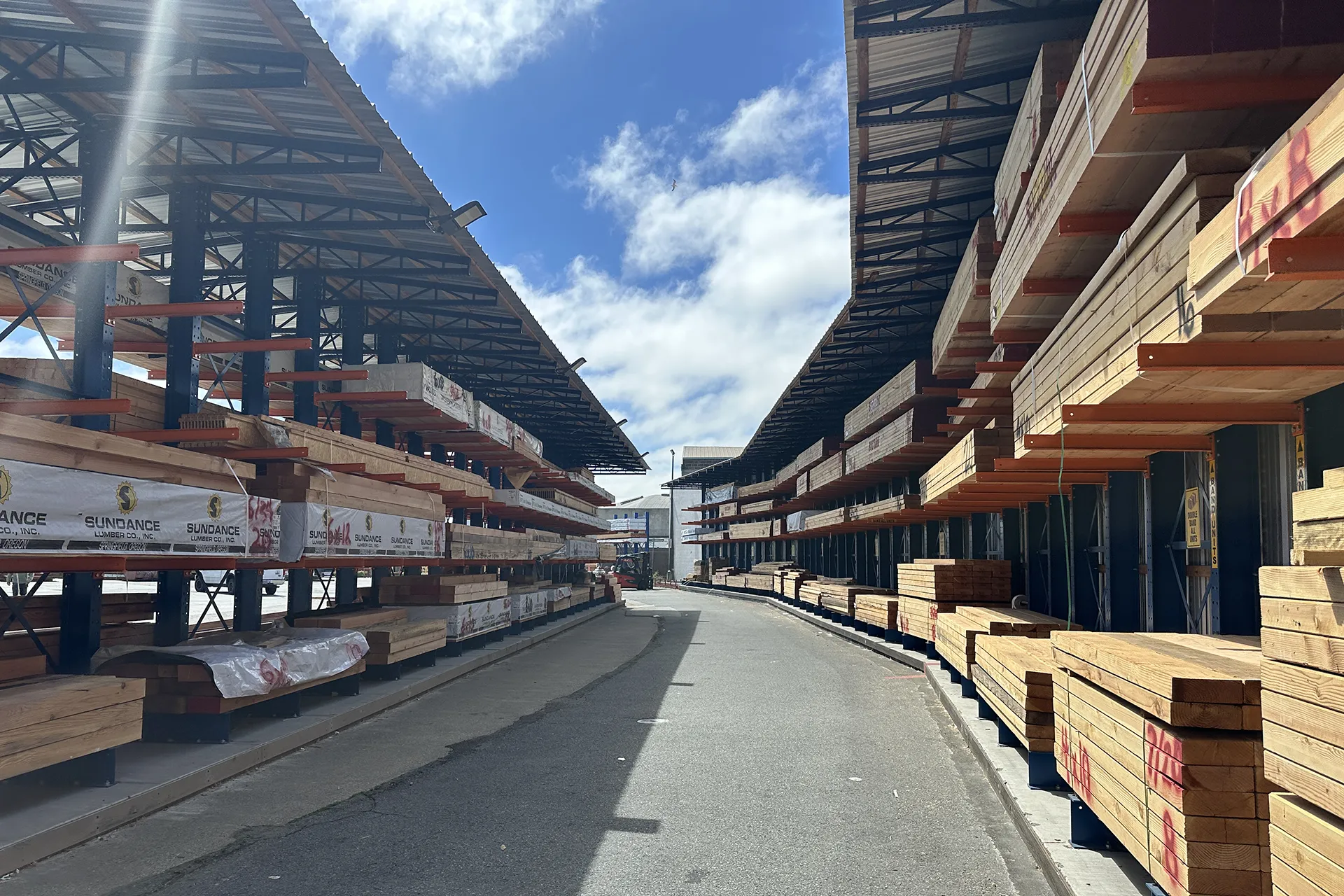
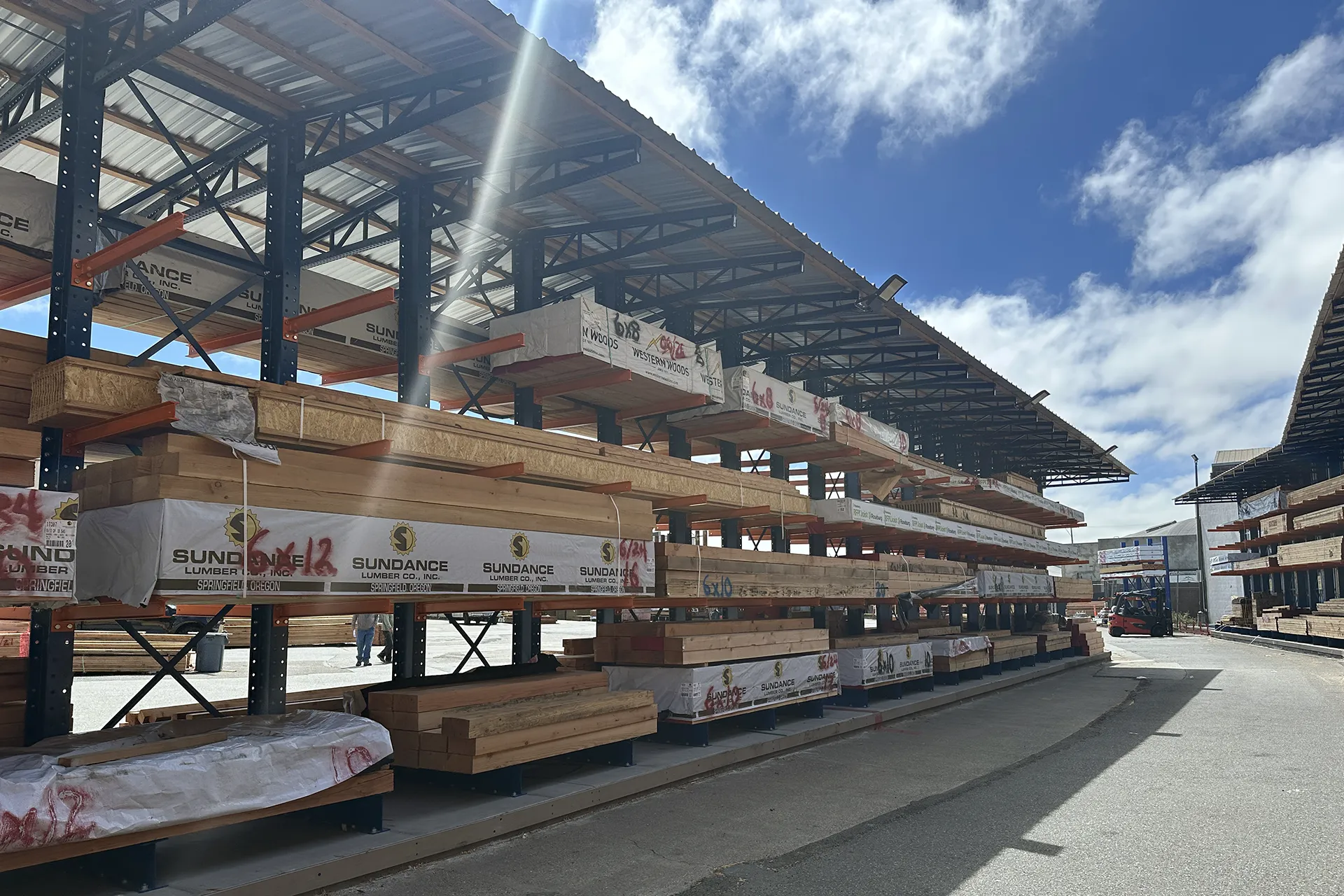
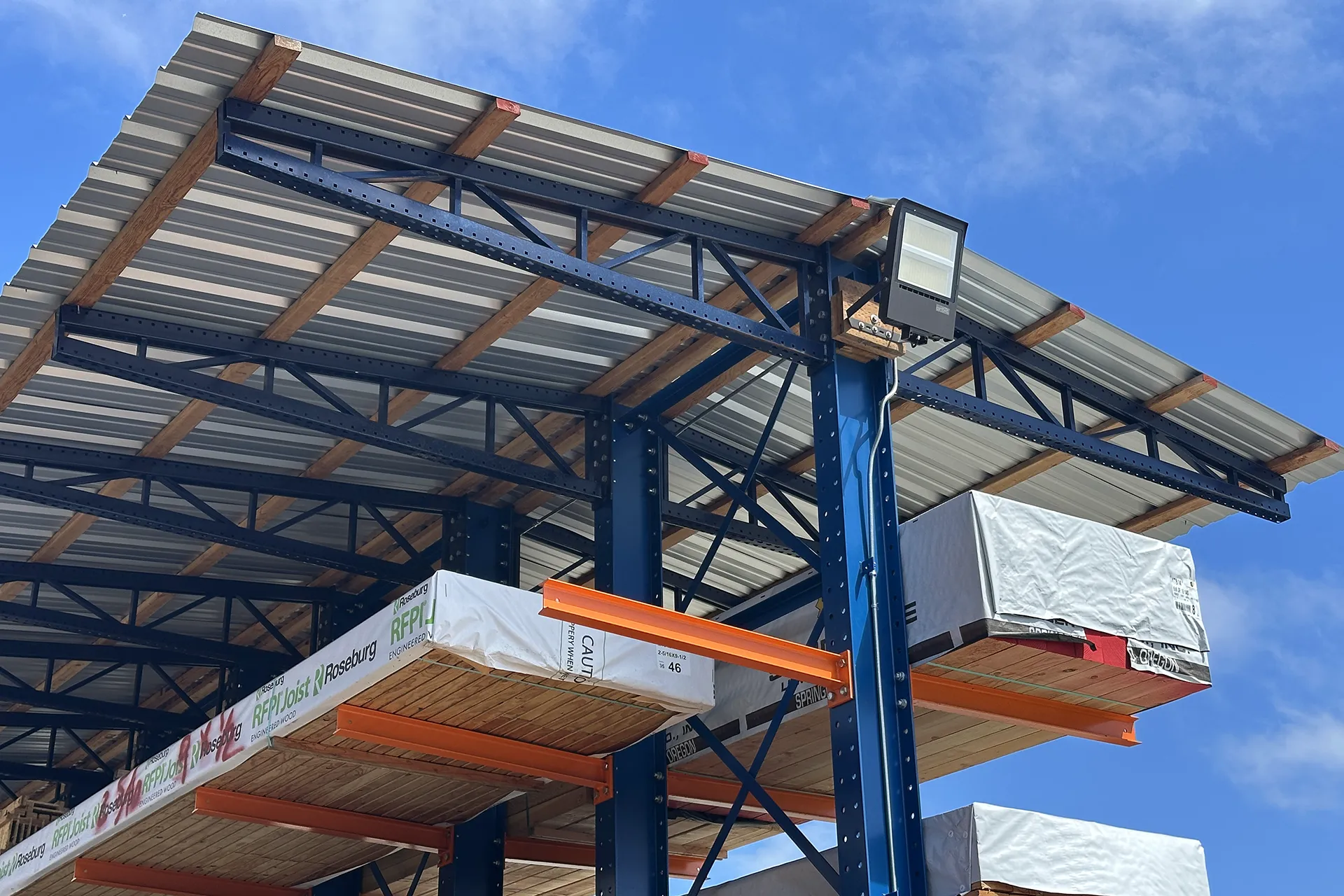
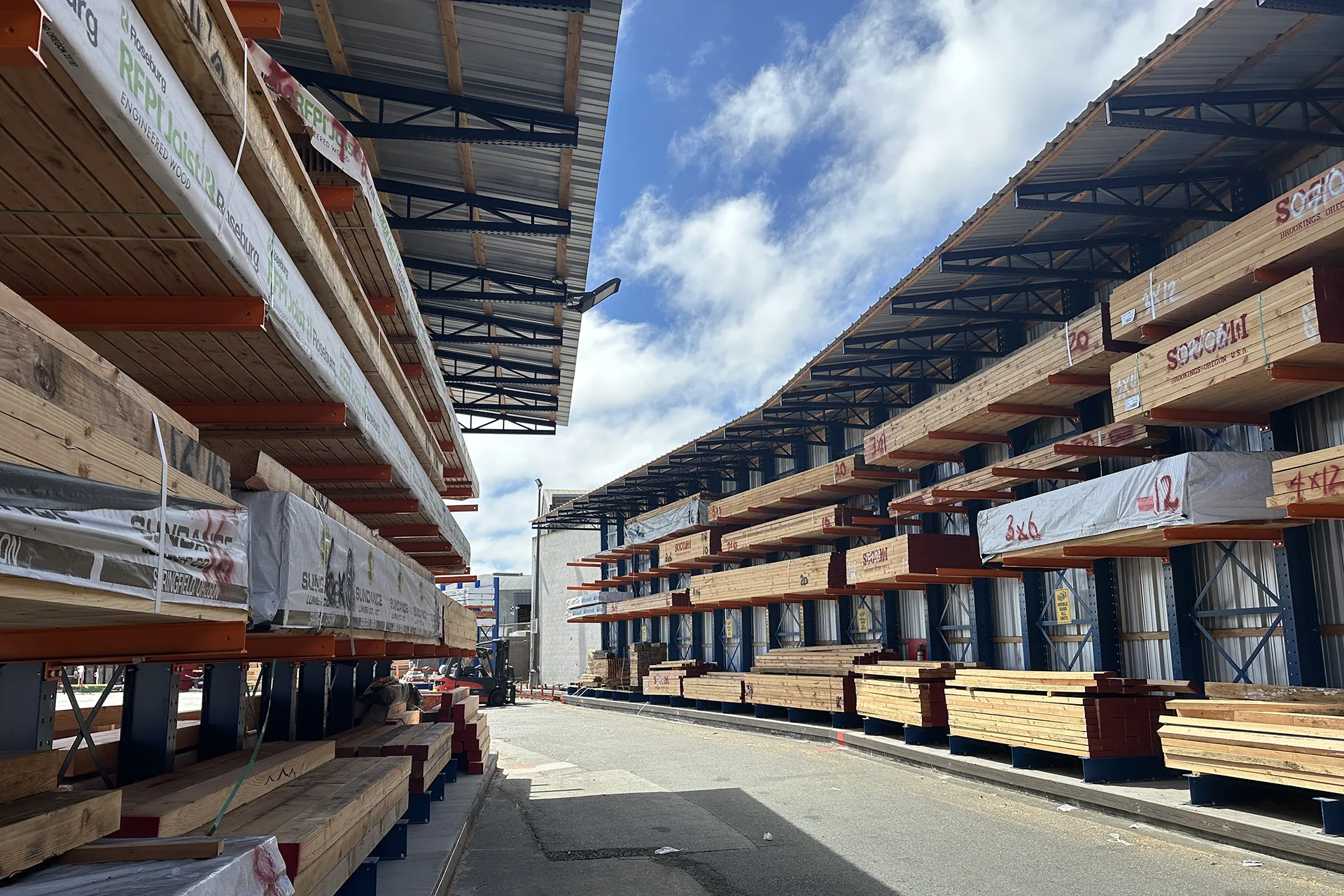
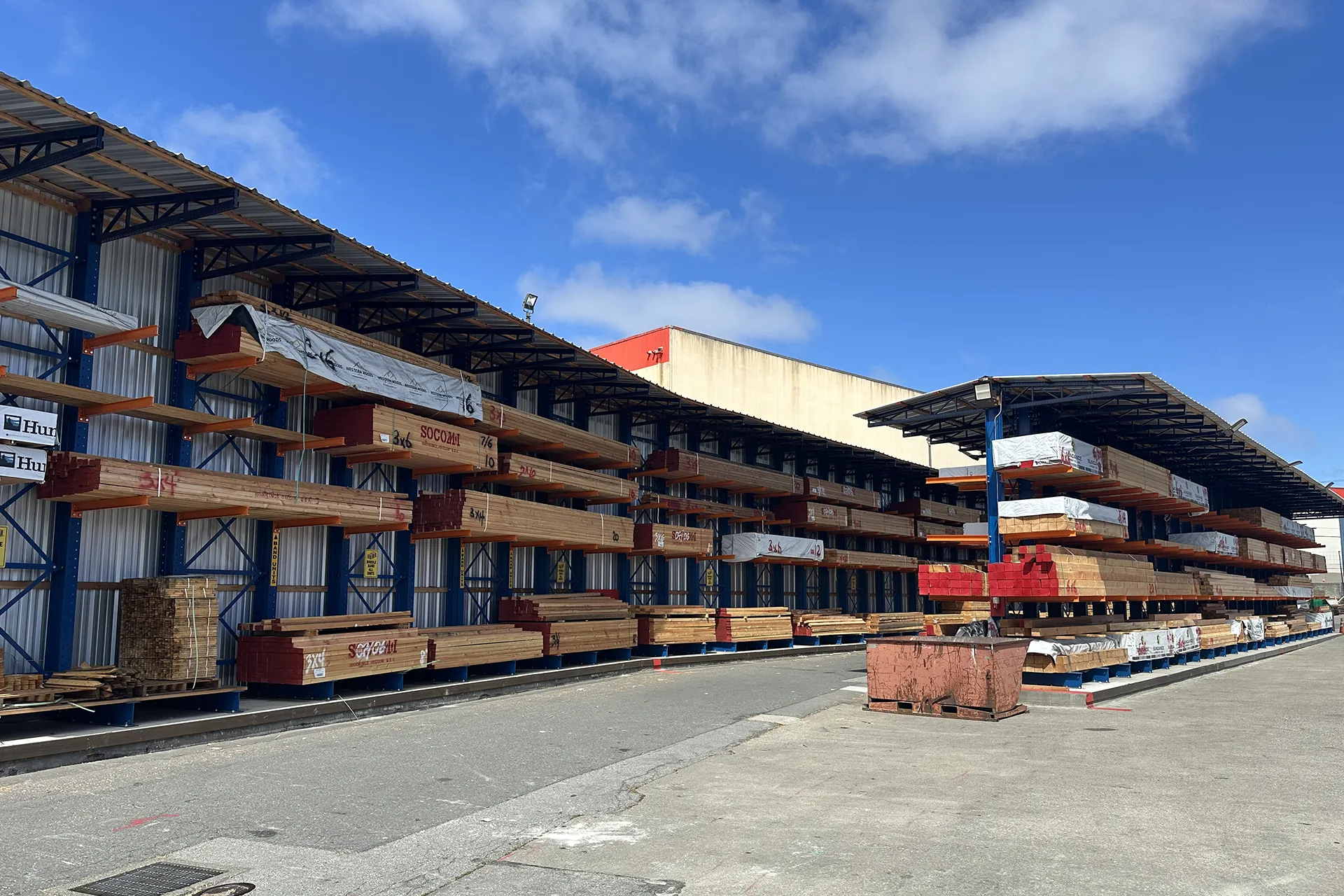
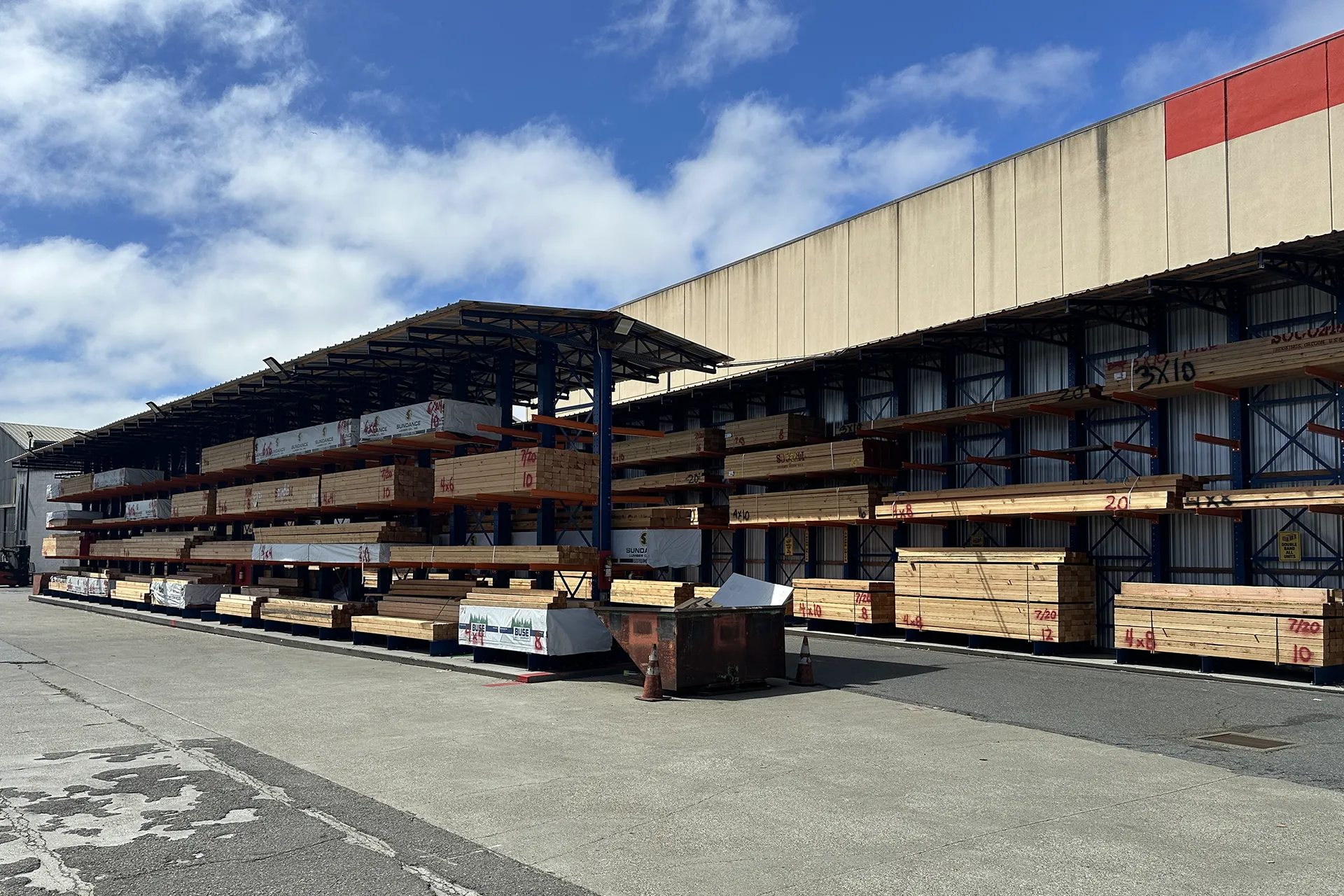
Lumber Company says: “Working with Speedrack West team has been a real pleasure. They made the whole process smooth and straightforward, and we’re 100% planning to come back again—which we actually just did recently.”


Derek Patterson says: “I would suggest that there should be no hesitation…from placing an order to getting everything delivered in such a timely manner. I had racking within 7 days compared to 4 to 6 weeks elsewhere. The customer service level is fabulous.”
Contact Us Today. We're Ready To Help!