


Accumulation Conveyors


An image displaying a conveyor with optional structures and features.


Accumulation Conveyors

from $5,205.80 ea
Key Features
-

Space-saving equipment
-
Wide functionality
-
Increased throughput
-
Contact Us for custom sizing or additional options/features.
Delivery Terms
-

Special Manufacturer Rates
Access exclusive pricing
Access exclusive pricing
-

Nation-wide Shipping
Great rates & lead time across the country
Great rates & lead time across the country
-
Order What You Need
Avoid overpaying by talking to our experts today!
Avoid overpaying by talking to our experts today!
Delivery Terms
-
Special Manufacturer Rates
Access exclusive pricing
Access exclusive pricing
-
Nation-wide Shipping
Great rates & lead time across the country
Great rates & lead time across the country
-
Order What You Need
Avoid overpaying by talking to our experts today!
Avoid overpaying by talking to our experts today!
Key Features
-
Space-saving equipment
-
Wide functionality
-
Increased throughput
-
Contact Us for custom sizing or additional options/features.
Description
Every conveyor system is custom-designed to meet your specific needs. We start by understanding your requirements, including the types of products to be handled, their dimensions, and your throughput goals. With this information, we tailor conveyor solutions that align perfectly with your operational demands, ensuring a cost-effective and efficient material handling solution. Contact us.
Accumulation conveyor systems are part of the global pack conveyors market, which is growing yearly. Industry trends and forecasts for 2029 are expected to account for USD 13.91 billion. This tells us that many companies are looking at the side of accumulation conveyor, its benefits, and are thinking about implementing this solution into processes to make their business more competitive. What lucrative opportunities does an accumulation conveyor provide?
How Do Accumulation Conveyor Systems Work?
An accumulation conveyor system works by splitting one continuous line into independent zones, each running its own sensor and drive control. When product reaches a zone, a sensor signals that section to slow or stop while the rest of the line keeps moving. Once the zone ahead clears, the signal releases and the queue advances one zone at a time. That’s the core logic behind every design, whether it’s built on powered roller conveyors or a chain-driven bed.
- Zone Control: The conveyor splits into physical or electronically defined sections. Each zone runs independently, so a stop in one doesn’t shut down the whole line.
- Sensors: Photo-eyes or pneumatic sensors sit at each zone and detect when product arrives, signaling the drive to hold or release.
- Queuing: When a downstream station, like a packing line or a sortation conveyor, slows down, the zones upstream hold product in place until the path clears.
What are conveyor accumulation systems for?
In addition to the main aim of conveyors, such as moving items, they also create buffer zones to hold products between different operations until they reach other equipment surfaces. In a nutshell, they keep products in a queue before moving forward. The main benefits are:
- Space-saving equipment, especially vertical and spiral ones that decrease a footprint
- Wide functionality: while accumulating items, you can also dry, cool, etc. at the same time
- Increased throughput of the entire process by up to 30%, by bounding production lines with different speed; as a result, operators can oversee multiple stations simultaneously
What are the types of accumulation pressure conveyors?
Nowadays, there are different manufacturers and types of accumulation conveyors. Each brand has its own documentation of specifications. However, we can divide all of them into two big groups: minimum pressure and zero pressure. We’ll also talk a little bit about medium-pressure, heavy-duty zero-pressure, and zero-contact.
Zero-pressure accumulation conveyor became his name due to the zero-pressure process of conveying items, like this: the first item moves to the surface and stops when the photo-eye informs them that the next item comes. Thus, the items do not touch each other.

Let’s look at Roach 196ZPA, which safely accumulates packages with zero back pressure utilizing zone singulation operation. Loads up to 125 lbs./ft. may be effectively handled with its unique design. The speed of the conveyor is 60 FPM, constant. This conveyor features NO minimum weight limitations. Sensor rollers are utilized to accumulate products with previously difficult minimal weight restrictions.
The most common zero-pressure conveyors use rollers to transport items while using a retro-reflective photo-eye to accumulate products into zones. For instance, Roach SZ196ZPA SMART ZONE®, a medium-duty zero-pressure accumulation roller conveyor, replaces sensor rollers with photoelectric sensors to accumulate products with previously difficult minimal weight restrictions and is easy to install.

In the end, one example of a heavy-duty roll-to-roll chain-driven zero pressure accumulator is model SZD251CDA SMART ZONE®. It is designed to safely accumulate heavy products such as castings, drums, containers, and heavy pallet loads in 5’ zones. The Roach design incorporates photoelectric sensors instead of sensor rollers, which eliminates many of the problems associated with conveying wooden pallets. Products do not touch during accumulation and are singulated individually off of the conveyor. This horizontal zero-pressure accumulation conveyor is easy to install and simple to maintain.
Is there belt zero pressure? Sure, the horizontal zero-pressure accumulation conveyor belt system works the same way. Depending on your operation and product type, you can opt for zero pressure, zero contact, and minimum contact accumulation conveyor belts.
Minimum- or medium-pressure accumulation conveyors utilize a flat drive belt. As items are driven together at the end of the line, upstream pressure will not crush the first item to reach the end. A minimum-pressure conveyor is effective for handling similar-sized items. Note, that back pressure can cause wider products to rotate around smaller items during accumulation in applications with different-sized products. A low-pressure accumulation conveyor allows accumulating items with 2%-3% line pressure.
Need help defining a conveyor? Contact us.
What Is Contact Accumulation, and How Does It Differ From Zero-Pressure?
Contact accumulation is the third pressure type, and it’s the one this page hasn’t covered yet. Unlike the zero-pressure and minimum-pressure designs above, contact accumulation lets products stack directly against each other with no active zone control at all. It’s the simplest and least expensive setup, and it works well for durable goods where a little contact won’t cause damage.
| Type | How It Handles Product | Best For |
|---|---|---|
| Zero-Pressure | Sensors stop each zone before products touch | Fragile or easily damaged items |
| Minimum-Pressure | Light, controlled contact while queuing | Balancing gentle handling with speed |
| Contact Accumulation | Products stack freely, no active regulation | Sturdy goods, lowest-cost setups |
Accumulation conveyors for every need
The zero-contact accumulation conveyor has eliminated touching items to each other by using the individual place in its zone for every item.
The accumulation table conveyor uses the principle of rotary accumulation tables. They provide a place to temporarily store items thanks to a special design that allows products to recirculate on the table and wait to be passed back into processing. Such a buffer keeps the entire process running smoothly. The best example of their use is the beverage industry. Bottle accumulation conveyor helps the production line keep moving until the bottleneck problem is resolved.
A spiral accumulation conveyor is the best solution to create an optimal footprint. However, pay attention to the size of the products. A large package and its weight are not a good idea.
If you are in the electronics, food, or bakery industries, consider a vertical accumulation conveyor, that moves items from one level to another by elevators’ principle. They can be gravity-actuated or electrically powered, and convey up to 60 items per minute.
Does everything match up to what you imagined the accumulation conveyors to be? If not, allow us to give you a helping hand.
Accumulation Conveyor FAQs
Can Accumulation Conveyor Systems Handle Palletized Loads?
Yes. Pallet-rated accumulation conveyors use heavier-duty rollers and zone sensors sized for pallet weight instead of cartons or totes. The zone-control principle stays the same, it’s just built to handle load capacities in the hundreds of pounds instead of a few pounds per item.
What’s the Difference Between an Accumulation Conveyor and a Buffer Conveyor?
They’re two names for the same function. “Buffer conveyor” describes what the system does, holding a buffer of product, while “accumulation conveyor” describes how it does it, accumulating product in zones. You’ll see both terms used for the same equipment depending on the industry you’re in.
Are Accumulation Conveyor Systems Safe for Warehouse Staff?
Yes, when they’re guarded correctly. OSHA’s guidance on machine guarding requires nip points, pinch points, and in-running rollers on conveyor equipment to be shielded or guarded against contact. Our installation crew builds guarding into every accumulation conveyor system we install, not added as an afterthought.
What’s the Difference Between an Accumulation Conveyor and a Standard Conveyor?
A standard conveyor moves product continuously from one point to another. An accumulation conveyor system can stop and hold product in place, zone by zone, without shutting down the rest of the line. That’s the difference that lets one slow station, like a labeler or filler, run at its own pace without backing up everything behind it, which is exactly the scenario beverage storage and bottling operations run into most.
Not sure which pressure type or configuration fits your line? Call us at 503-640-5666 and we’ll match it to your throughput and product.
Industries utilizing Accumulation Conveyors
-
Warehousing

-
Distribution

-
Retail

-
Manufacturing

-
Food and beverage

-
Automotive

-
Healthcare & Pharmaceuticals

-
Laboratories Clean Rooms

-
Logistics

-
E-commerce & Retail

Want to Make Sure It Fits?

or
Industries utilizing Accumulation Conveyors
-
Warehousing
-
Distribution
-
Retail
-
Manufacturing
-
Food and beverage
-
Automotive
-
Healthcare & Pharmaceuticals
-
Laboratories Clean Rooms
-
Logistics
-
E-commerce & Retail
Want to Make Sure It Fits?
or


Irving Nieves says: “It's been an easy process working with the Speedrack West team, even with the changes partway through.”


Scott Misso says: “Everything works as expected. Designed as it should be. Good job!”


Kyle Gersman says: “I called Bill multiple times a day and he always picked up and was always very helpful. What I really liked is that they pointed out a lot of questions and processes that I didn't even have on my radar going into the move. It helped me expand the scope to an appropriate size of what I needed to consider as we made the transition to a bigger facility.”


Robert Baumgartner says: “Despite picking up this project in the middle of its lifecycle, the transition was flawless thanks to the team’s stellar communication. They exceeded our expectations by delivering the installation earlier than anticipated and hitting every technical requirement. From the sales team’s quick answers to their willingness to make adjustments, the experience was top-tier.”


Consolidated Supply says: “We’re very happy to be your regular client, and it’s always so easy to work with your team”


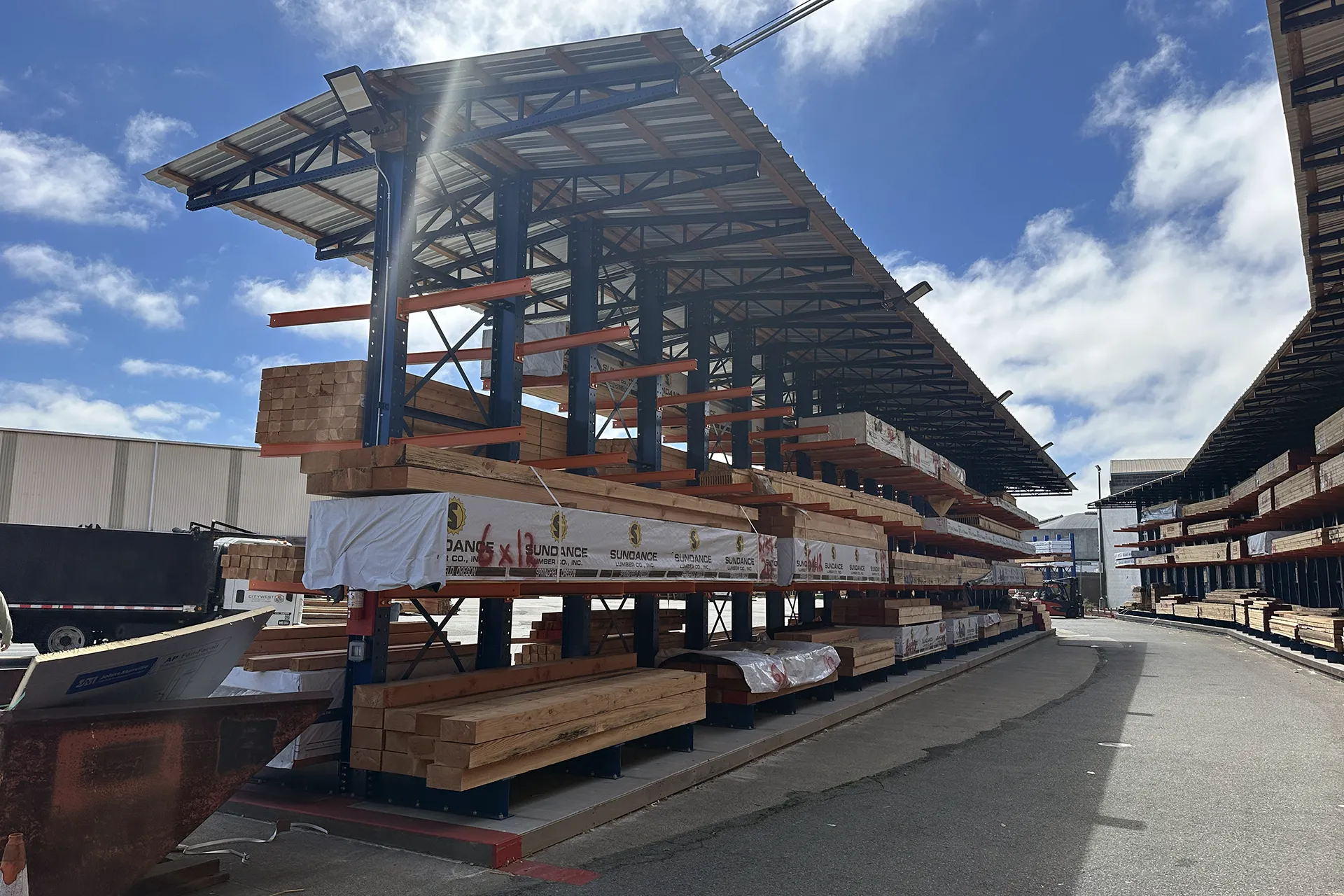
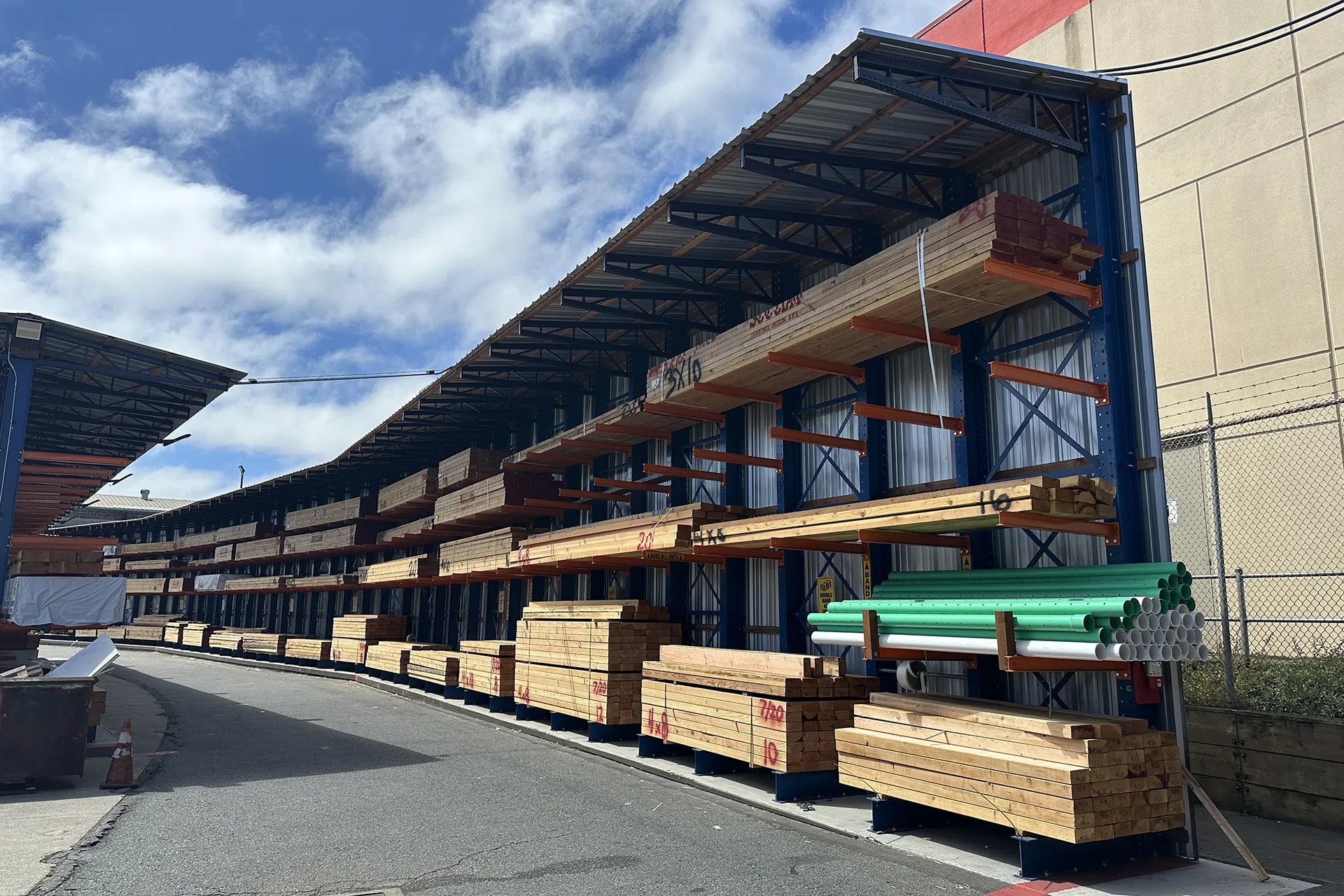
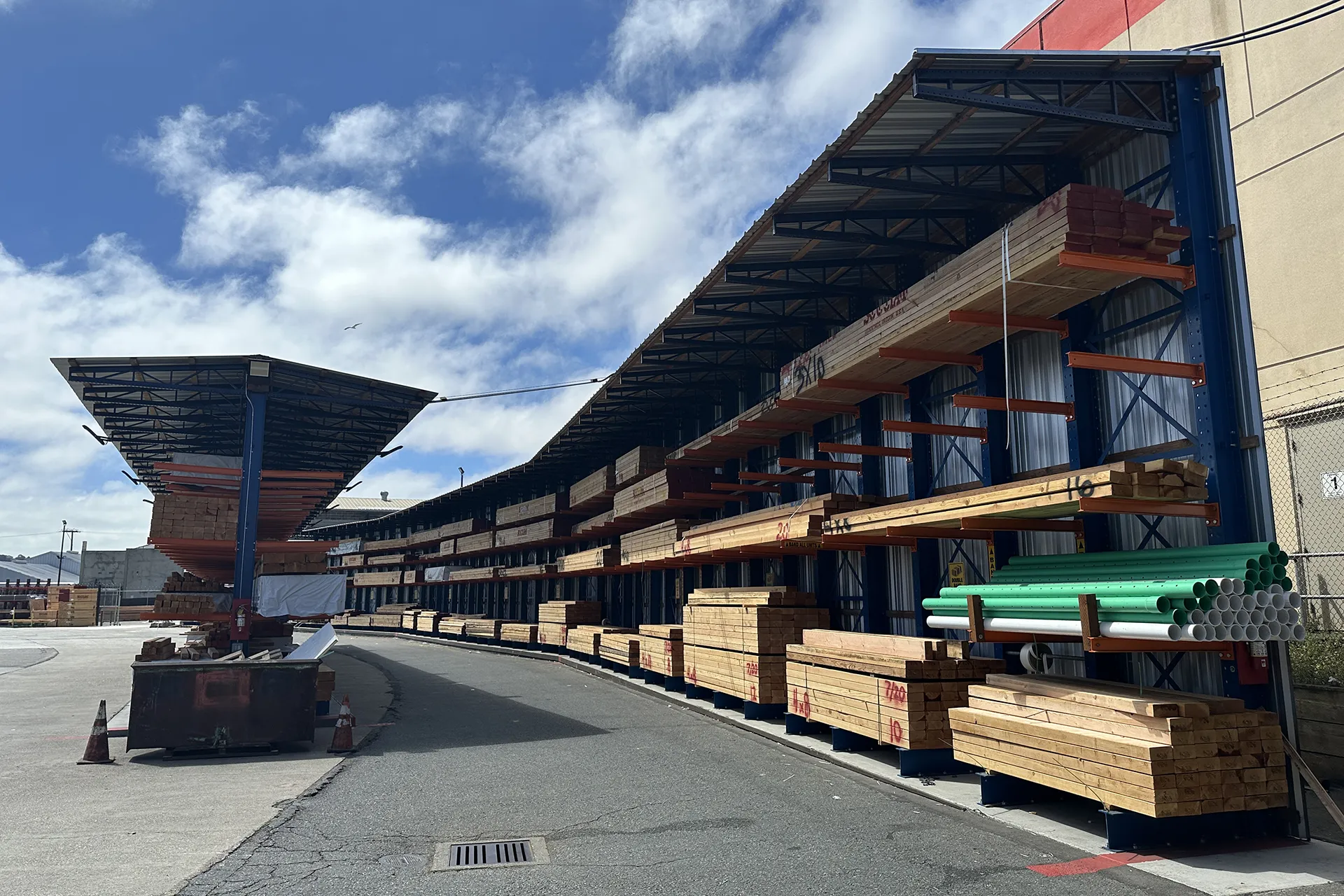
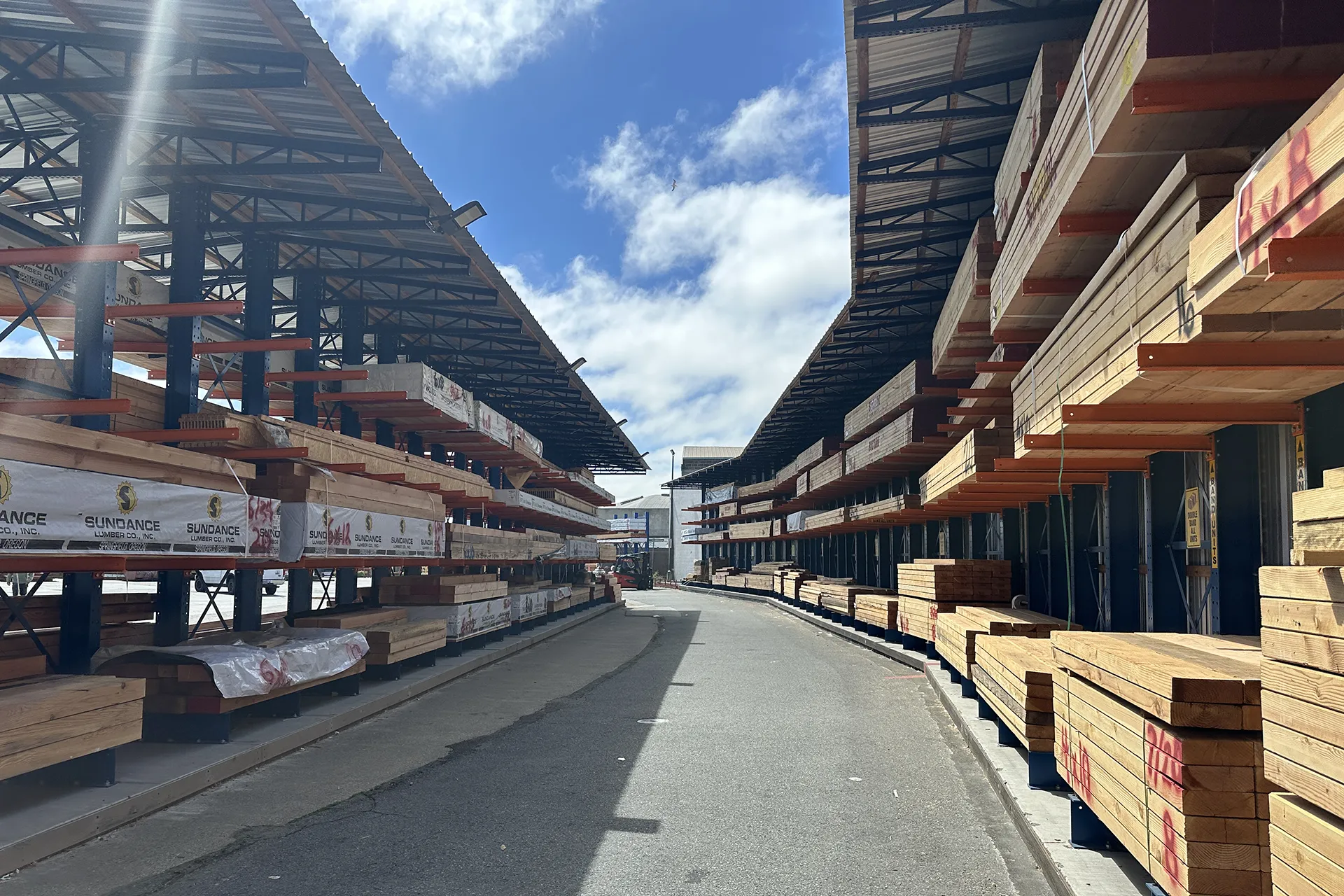
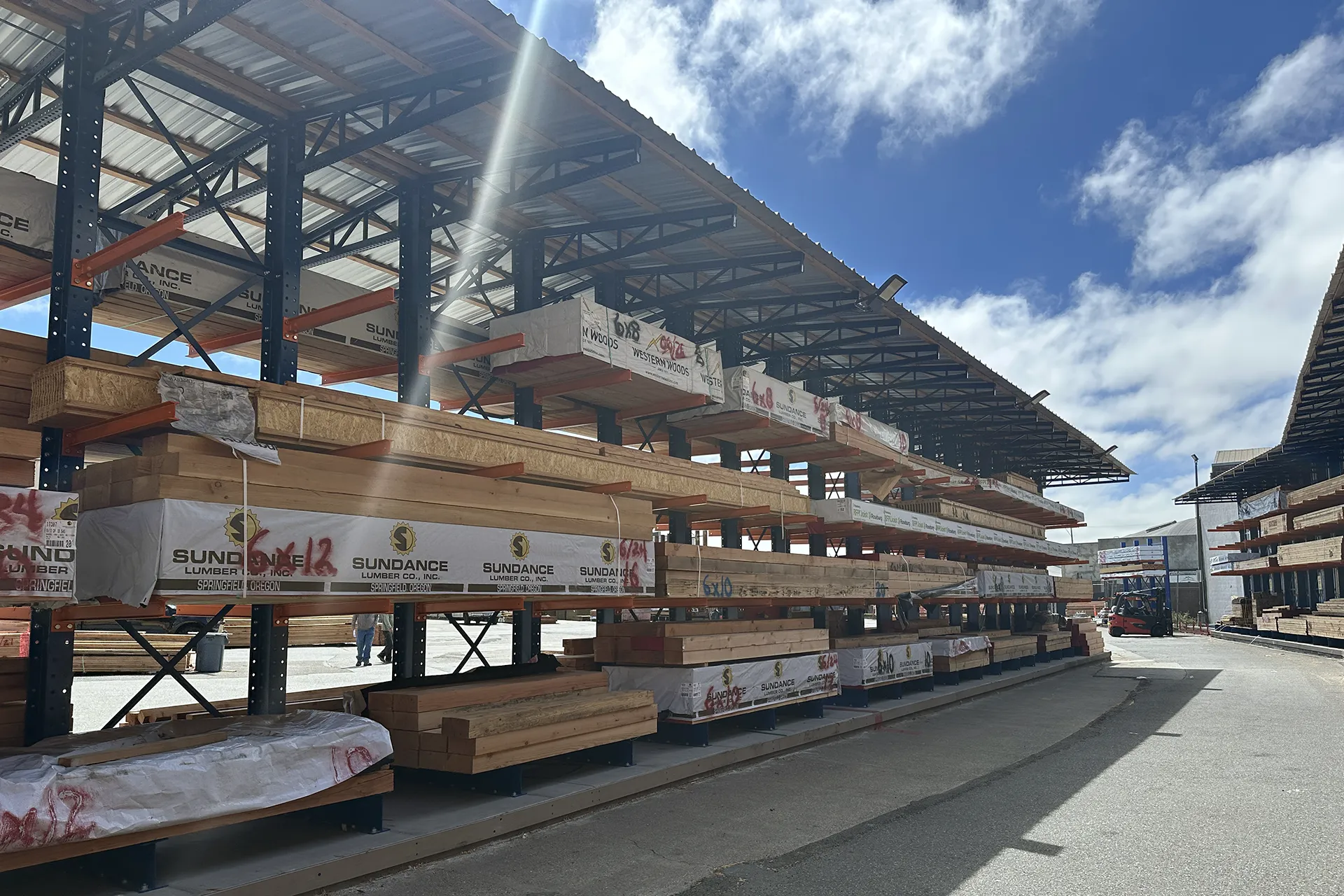
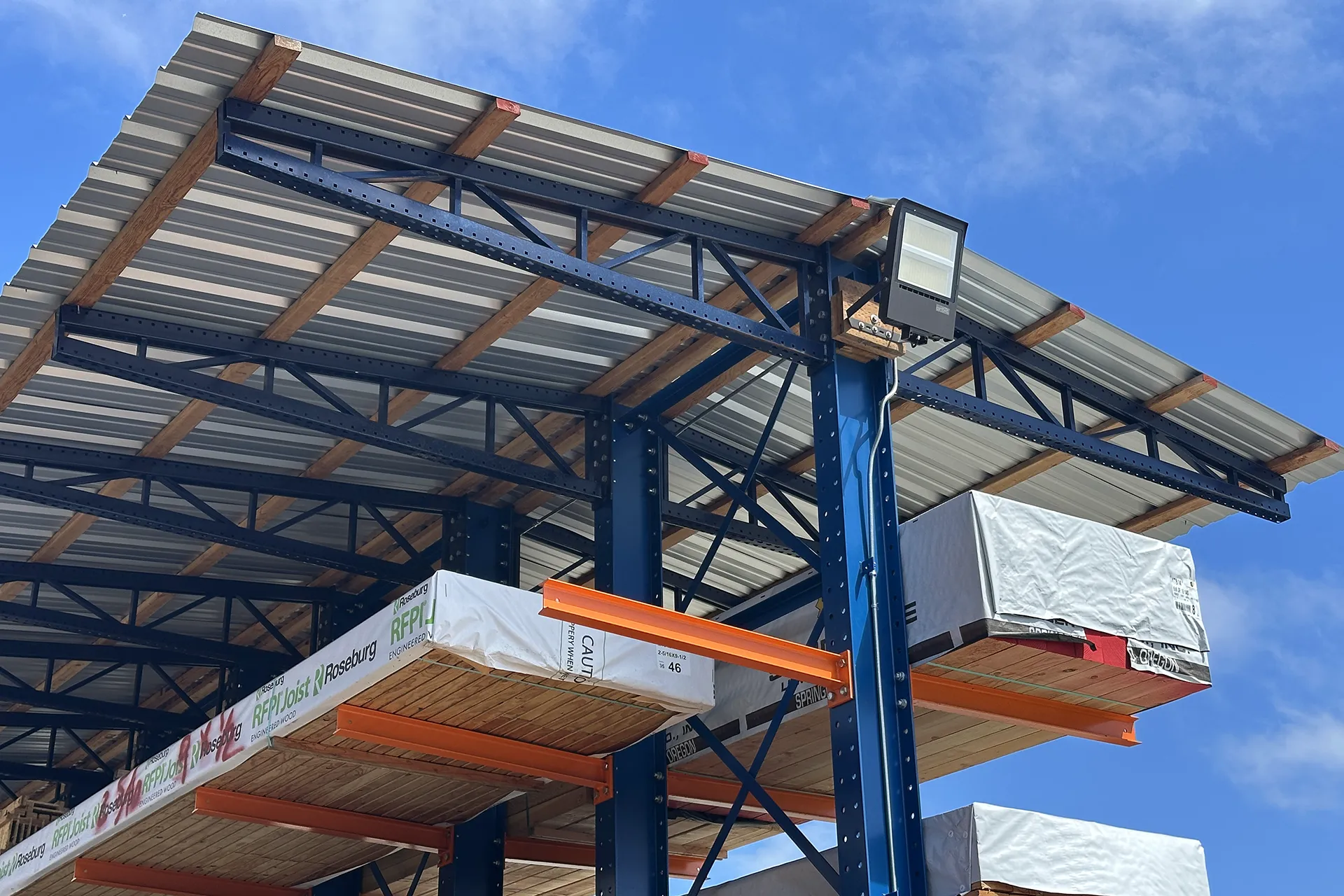
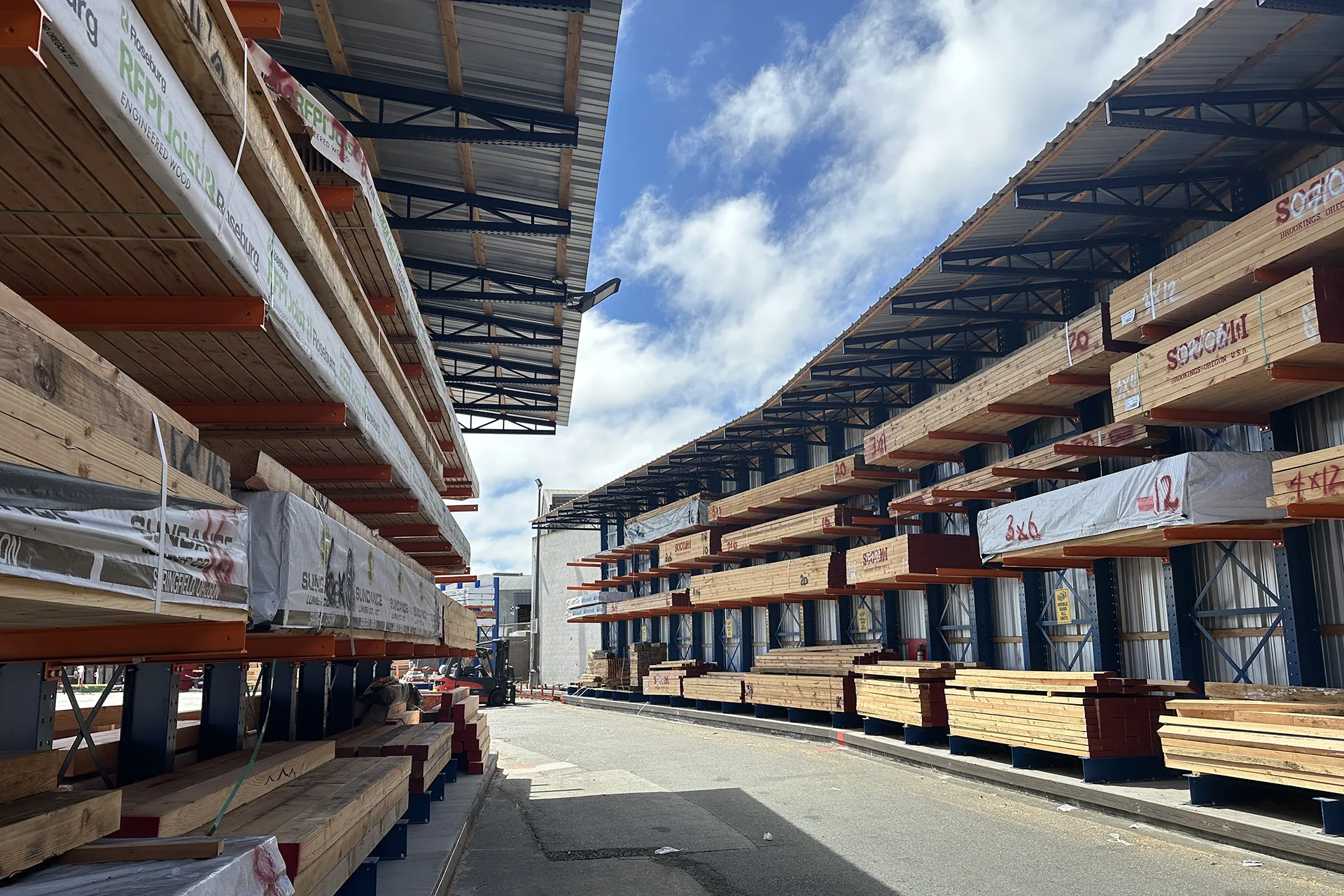
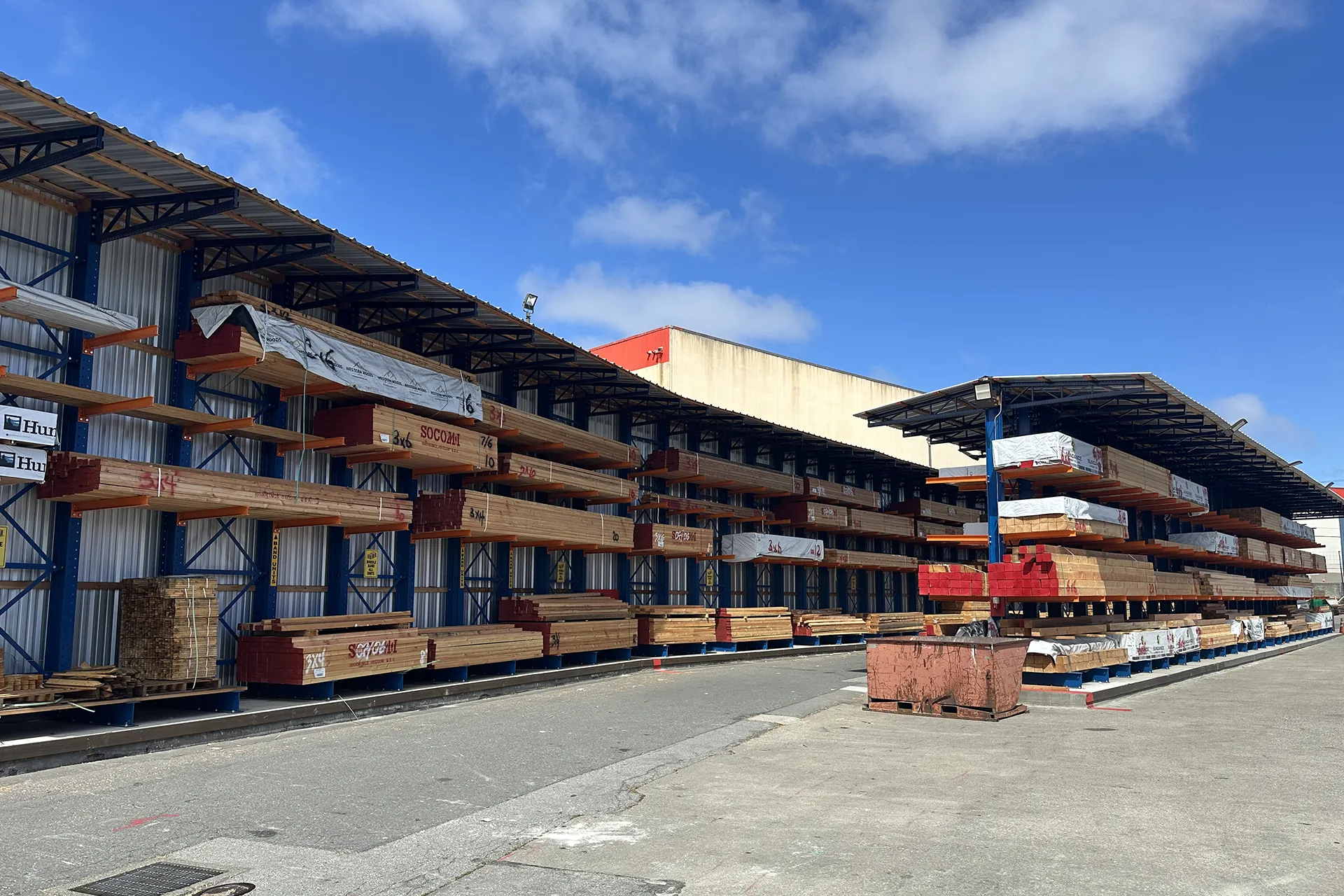
Lumber Company says: “Working with Speedrack West team has been a real pleasure. They made the whole process smooth and straightforward, and we’re 100% planning to come back again—which we actually just did recently.”


Derek Patterson says: “I would suggest that there should be no hesitation…from placing an order to getting everything delivered in such a timely manner. I had racking within 7 days compared to 4 to 6 weeks elsewhere. The customer service level is fabulous.”
The Brands Behind the Racks


Related Products


Straight Sections for Galvanized Gravity Roller Conveyor (Light Duty)
$165.29 - $464.76
Order


Irving Nieves says: “It's been an easy process working with the Speedrack West team, even with the changes partway through.”
Scott Misso says: “Everything works as expected. Designed as it should be. Good job!”
Kyle Gersman says: “I called Bill multiple times a day and he always picked up and was always very helpful. What I really liked is that they pointed out a lot of questions and processes that I didn't even have on my radar going into the move. It helped me expand the scope to an appropriate size of what I needed to consider as we made the transition to a bigger facility.”
Robert Baumgartner says: “Despite picking up this project in the middle of its lifecycle, the transition was flawless thanks to the team’s stellar communication. They exceeded our expectations by delivering the installation earlier than anticipated and hitting every technical requirement. From the sales team’s quick answers to their willingness to make adjustments, the experience was top-tier.”
Consolidated Supply says: “We’re very happy to be your regular client, and it’s always so easy to work with your team”
Lumber Company says: “Working with Speedrack West team has been a real pleasure. They made the whole process smooth and straightforward, and we’re 100% planning to come back again—which we actually just did recently.”
Derek Patterson says: “I would suggest that there should be no hesitation…from placing an order to getting everything delivered in such a timely manner. I had racking within 7 days compared to 4 to 6 weeks elsewhere. The customer service level is fabulous.”
The Brands Behind the Racks
Installation &
Tear Down
Our in house installation crew do their job promptly and professionally. We can also help with moving or tearing down your old rack system.


Reviews
Leave a review!
Sign In