


Sortation Conveyors


An image displaying a conveyor with optional structures and features.


Sortation Conveyors

Send us your request to receive an estimate
Key Features
-

Speed depends on the model: 60-180 FPM, 300 FPM.
-
Capacity is 60 or 100 lbs
-
Diversion angle is 30°, 45°, and 90°
-
Available with or without guard rails on a takeaway spur conveyor
-
Contact Us for custom sizing or additional options/features.
Delivery Terms
-

Special Manufacturer Rates
Access exclusive pricing
Access exclusive pricing
-

Nation-wide Shipping
Great rates & lead time across the country
Great rates & lead time across the country
-

Order What You Need
Avoid overpaying by talking to our experts today!
Avoid overpaying by talking to our experts today!
Delivery Terms
-
Special Manufacturer Rates
Access exclusive pricing
Access exclusive pricing
-
Nation-wide Shipping
Great rates & lead time across the country
Great rates & lead time across the country
-
Order What You Need
Avoid overpaying by talking to our experts today!
Avoid overpaying by talking to our experts today!
Key Features
-
Speed depends on the model: 60-180 FPM, 300 FPM.
-
Capacity is 60 or 100 lbs
-
Diversion angle is 30°, 45°, and 90°
-
Available with or without guard rails on a takeaway spur conveyor
-
Contact Us for custom sizing or additional options/features.
Description
Every conveyor system is custom-designed to meet your specific needs. We start by understanding your requirements, including the types of products to be handled, their dimensions, and your throughput goals. With this information, we tailor conveyor solutions that align perfectly with your operational demands, ensuring a cost-effective and efficient material handling solution. Contact us.
How can you spare hours by automating the picking process and implementing Goods-to-Person (GTP) technology? Automated sortation conveyor systems are at your service.
What Is a Sortation Conveyor System?
A sortation conveyor system identifies, tracks, and diverts cartons, totes, packages, or other loads from a main conveyor to the correct lane, chute, bin, or secondary conveyor.
The system combines controlled product spacing, scanners or sensors, routing logic, and a mechanical divert. The right conveyor sortation configuration depends on your load dimensions, weight, throughput, destination count, and available space.
How Does Conveyor Sortation Work?
- Induction: Products enter the conveyor line with the spacing and alignment needed for tracking and diversion.
- Identification: Sensors, scanners, or another identification method capture the information used to assign a destination.
- Tracking: The controls follow the product as it travels toward the correct divert point.
- Sortation: The selected mechanism, such as a skewed-wheel diverter, roller transfer, or pivoting belt, redirects the product.
- Takeaway: A spur conveyor, lane, chute, or connected conveyor receives the product and moves it into the next process.
The sorter must be designed with its surrounding conveyor equipment. If products reach the sorter without consistent spacing, or if the takeaway conveyor cannot receive them at the required rate, the full system will not perform as intended.
When buffering is needed before or after the sorter, accumulation conveyors can be evaluated as part of the system.
What should you consider when opting for the right sortation conveyor systems?
- Dimensions (length, width, height) and weight of your products.
- Size of the facility because the type of sorter depends on the area it will take up.
- Your budget, because the price of the sortation system is based on size, speed, and technology.
The other types’ names depend mostly on the applications, such as Right-Angle Transfers, Narrow Belt Sorters, Cross-Belt Sorters, Pop-Up Wheel Sorters, Pusher / Paddle Sorters, Shoe Sorters, Bombay Sorters, Tilt Tray Sorters, and Pocket Sorters.
Shoe sorters are ideal for use with various sizes and weight of items.
Right-angle transfers are typically used for fragile products of different sizes and weights. They can be used to transfer products to a non-power conveyor or onto parallel conveyors when only one device is required.

The Narrow Belt Sorter utilizes multiple belts to transport products to diverters that have been strategically located along the sorter. Both the Skewed Wheel Diverter and the Roller Diverter can be used as means of diverting from the Narrow Belt Sorter. The model NBS from Roach has a 90° roller transfer (single or bidirectional) and a 30° skewed wheel diverter (single direction). You can use them to convey small to medium-sized items to multiple points (e.g., packing stations).
Contact us for a free conveyor consultancy!
Benefits of conveyor and automated sortation systems

Speed. Sortation conveyors of different types and models vary depending on the applications and rate. For instance, the Model SD60 (SKEWED WHEEL DIVERTER) of Roach Manufacture has a rate of up to 60 sorts per minute, and speed is 60-180 FPM, constant, but other speeds are available. Model 796 SORT BELT, the Pivoting Belt Diverter, has a high rate package sortation. As many as 75 cartons may be accurately sorted per minute, with belt speeds as high as 300 FPM.
Errors. Sortation conveyors decrease errors by eliminating manual sorting and adding advanced sensors, barcode scanners, and computer vision.
Scalability and versatility. Sortation conveyors are used in many industries. Their characteristics are broad and deep, and because of this, they are customized for various applications. You can opt for a sortation conveyor whose capacity is 60 or 100 lbs or whose diversion angle is 30°, 45°, and 90°, with or without guard rails on a takeaway spur conveyor.
Whether you are unsure which type of sorting conveyor is right for you or need more information, our experts are here to assist.
Does everything match up to what you imagined the sortation conveyors to be? If not, allow us to give you a helping hand.
Where Can Sortation Conveyors Be Used?
Sortation conveyors may support warehouse, distribution, fulfillment, parcel-handling, and manufacturing processes that need products directed toward multiple destinations. Applications can include:
- Routing cartons from picking toward packing stations
- Directing orders toward carrier, zone, store, or shipping lanes
- Moving compatible products between manufacturing or processing stages
- Separating packages by destination
- Routing products toward staging, storage, or downstream conveyors
The product, packaging, identification method, operating environment, and required rate must be reviewed before equipment is selected. Applications involving pharmaceuticals, cosmetics, electronics, jewelry, food, or beverage products may require additional product-specific or environmental considerations.
Plan Your Sortation Conveyor System
Send us your product dimensions, weight range, target throughput, destination count, available layout, and control requirements. Speedrack West will evaluate the listed sortation conveyor options as part of a complete project-specific material handling system.
Request a sortation conveyor quote | 503-640-5666
Frequently Asked Questions
What is a sortation conveyor system?
A sortation conveyor system identifies and redirects products from a main conveyor toward assigned lanes, spurs, chutes, or secondary conveyors. The configuration is selected around the load, required rate, destinations, controls, and available space.
Which sortation conveyors does Speedrack West offer?
Equipment shown on this page includes the Roach SD60 skewed-wheel diverter, NBS narrow-belt sorter with roller-transfer or skewed-wheel divert options, and 796 pivoting-belt sorter. Equipment selection and availability are confirmed for each project.
How fast can these sortation conveyors run?
Listed options include speeds from 60 to 180 FPM and configurations up to 300 FPM. The SD60 is listed at up to 60 sorts per minute, while the 796 pivoting-belt sorter is listed at up to 75 cartons per minute. Actual rates depend on the product and complete system design.
What load capacities and divert angles are available?
Listed load capacities include 60 or 100 lb. Available diversion angles include 30°, 45°, and 90°, depending on the selected configuration.
What products can these sortation conveyors handle?
The equipment can be evaluated for compatible cartons, packages, and other unit loads. Product dimensions, weight, bottom condition, packaging strength, center of gravity, and fragility must be reviewed before selection.
What is needed for a sortation conveyor quote?
Provide product dimensions and weights, photographs or samples, required throughput, destination count, divert directions, floor plan, elevations, operating environment, control requirements, and details about the process before and after the sorter.
Industries that utilize Sorting Conveyor Systems
-
Pharmaceuticals

-
Cosmetics

-
Electronics

-
Jewelry

-
E-commerce

-
Food and Beverage

Want to Make Sure It Fits?

or
Industries that utilize Sorting Conveyor Systems
-
Pharmaceuticals
-
Cosmetics
-
Electronics
-
Jewelry
-
E-commerce
-
Food and Beverage
Want to Make Sure It Fits?
or


Irving Nieves says: “It's been an easy process working with the Speedrack West team, even with the changes partway through.”


Scott Misso says: “Everything works as expected. Designed as it should be. Good job!”


Kyle Gersman says: “I called Bill multiple times a day and he always picked up and was always very helpful. What I really liked is that they pointed out a lot of questions and processes that I didn't even have on my radar going into the move. It helped me expand the scope to an appropriate size of what I needed to consider as we made the transition to a bigger facility.”


Robert Baumgartner says: “Despite picking up this project in the middle of its lifecycle, the transition was flawless thanks to the team’s stellar communication. They exceeded our expectations by delivering the installation earlier than anticipated and hitting every technical requirement. From the sales team’s quick answers to their willingness to make adjustments, the experience was top-tier.”


Consolidated Supply says: “We’re very happy to be your regular client, and it’s always so easy to work with your team”


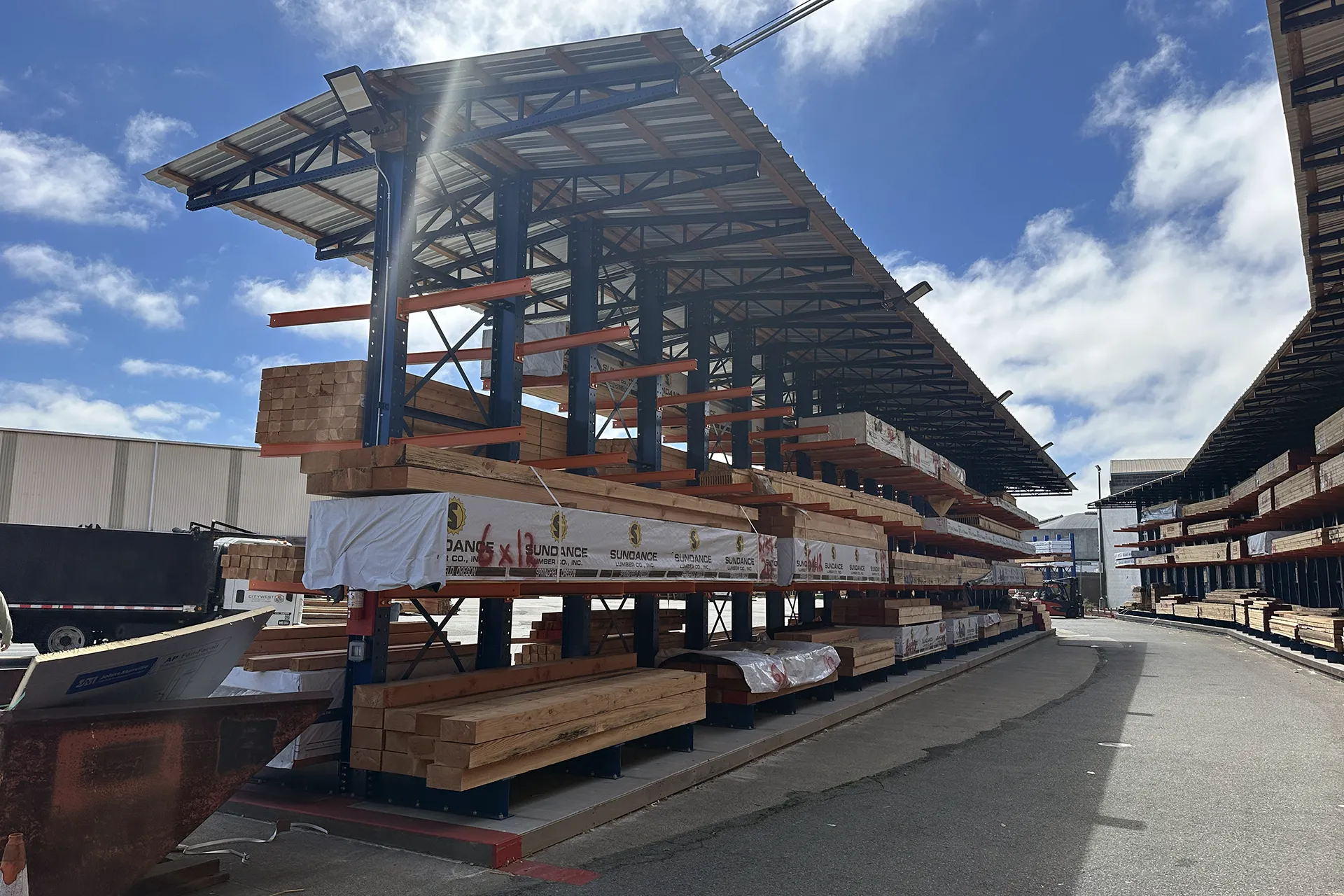
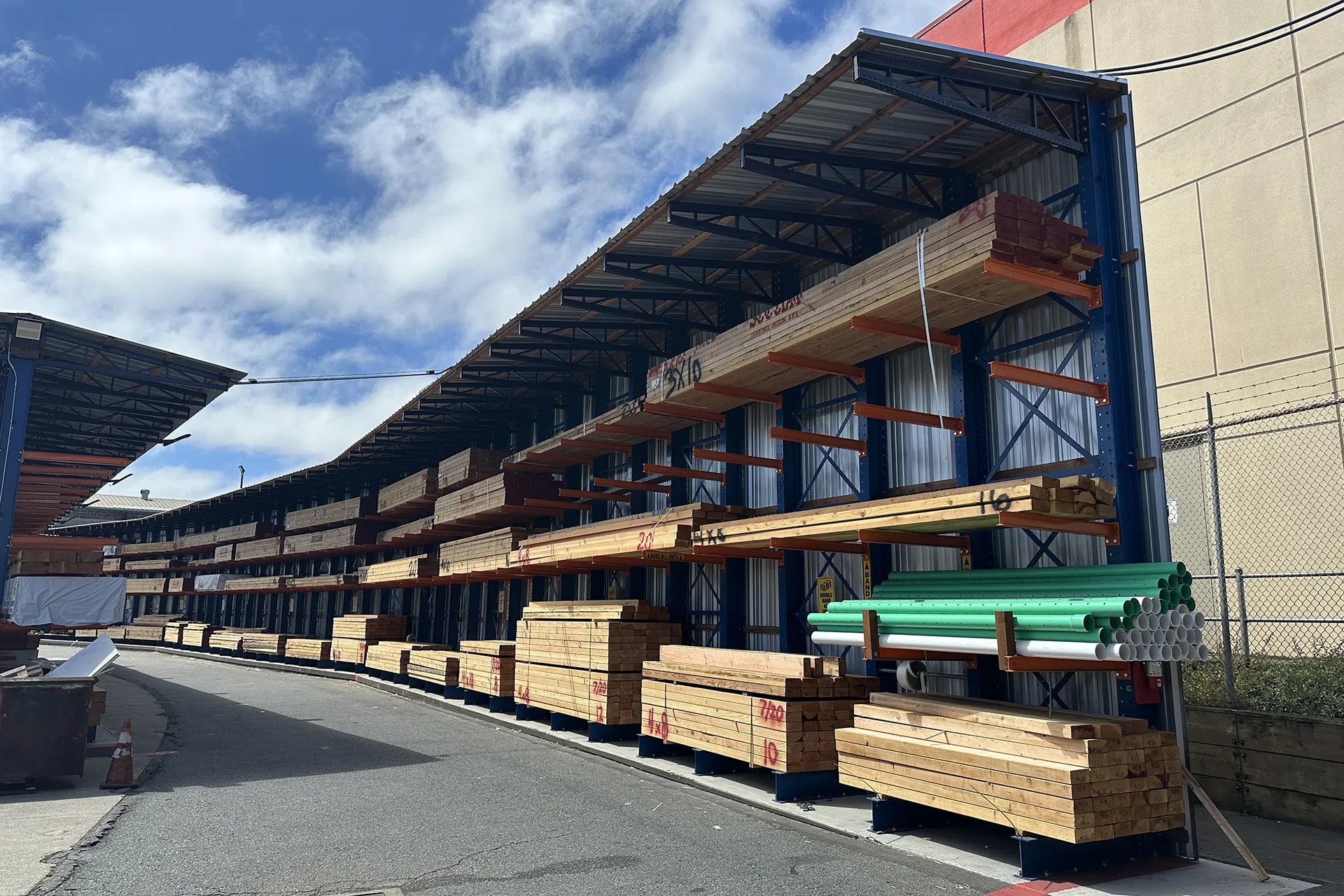
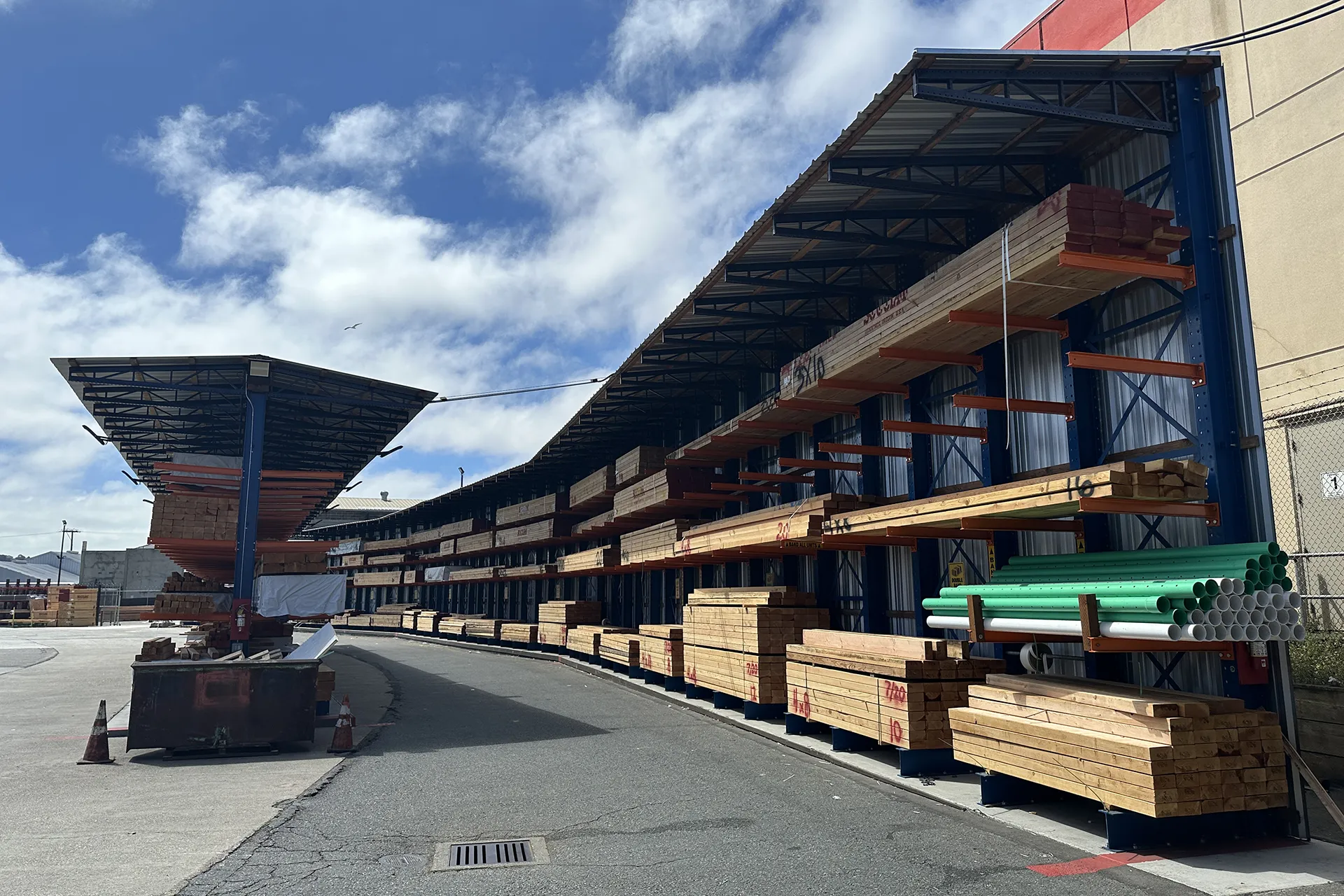
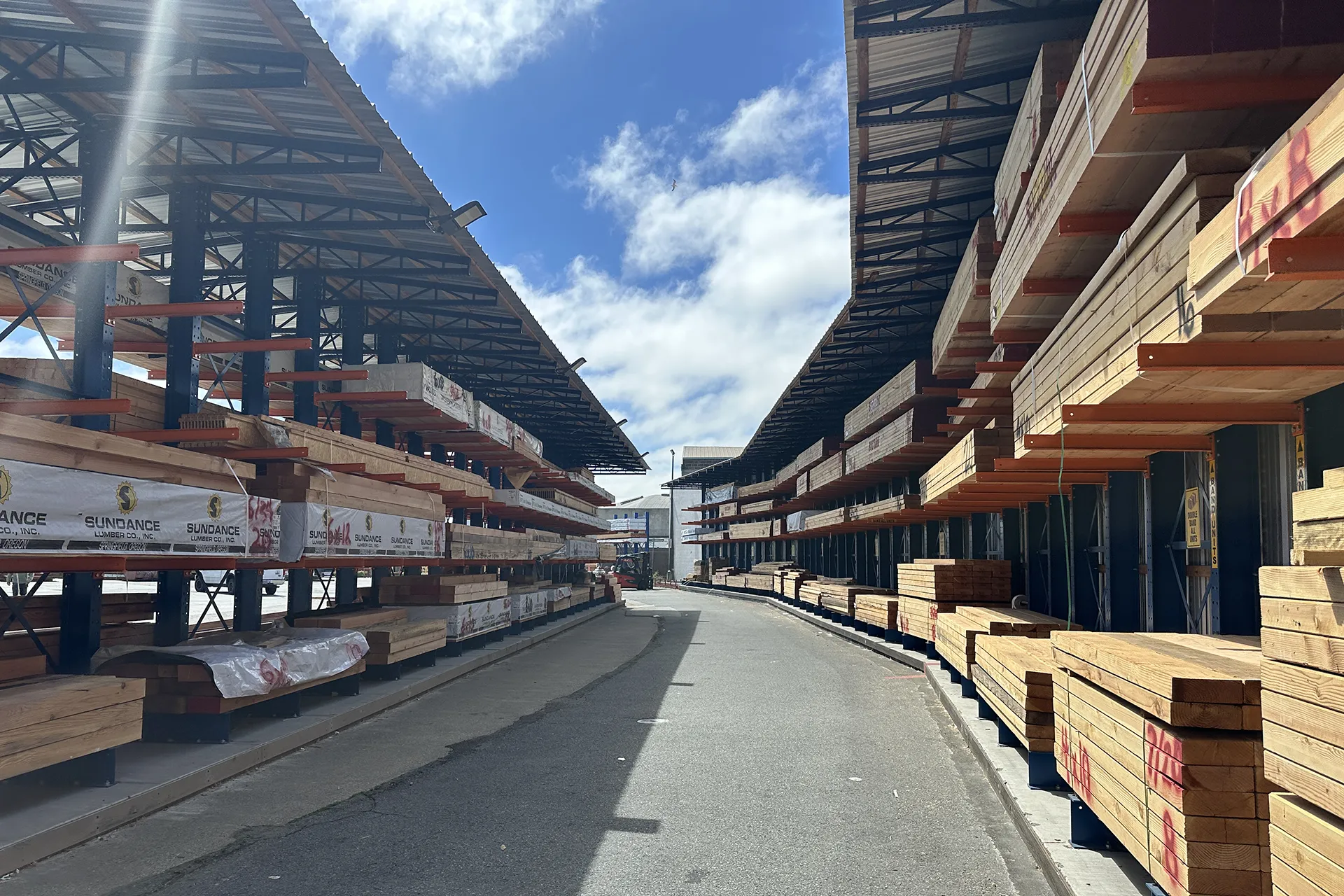
Lumber Company says: “Working with Speedrack West team has been a real pleasure. They made the whole process smooth and straightforward, and we’re 100% planning to come back again—which we actually just did recently.”


Derek Patterson says: “I would suggest that there should be no hesitation…from placing an order to getting everything delivered in such a timely manner. I had racking within 7 days compared to 4 to 6 weeks elsewhere. The customer service level is fabulous.”
The Brands Behind the Racks


Related Products


Straight Sections for Galvanized Gravity Roller Conveyor (Light Duty)
$165.29 - $464.76
Order


Irving Nieves says: “It's been an easy process working with the Speedrack West team, even with the changes partway through.”
Scott Misso says: “Everything works as expected. Designed as it should be. Good job!”
Kyle Gersman says: “I called Bill multiple times a day and he always picked up and was always very helpful. What I really liked is that they pointed out a lot of questions and processes that I didn't even have on my radar going into the move. It helped me expand the scope to an appropriate size of what I needed to consider as we made the transition to a bigger facility.”
Robert Baumgartner says: “Despite picking up this project in the middle of its lifecycle, the transition was flawless thanks to the team’s stellar communication. They exceeded our expectations by delivering the installation earlier than anticipated and hitting every technical requirement. From the sales team’s quick answers to their willingness to make adjustments, the experience was top-tier.”
Consolidated Supply says: “We’re very happy to be your regular client, and it’s always so easy to work with your team”
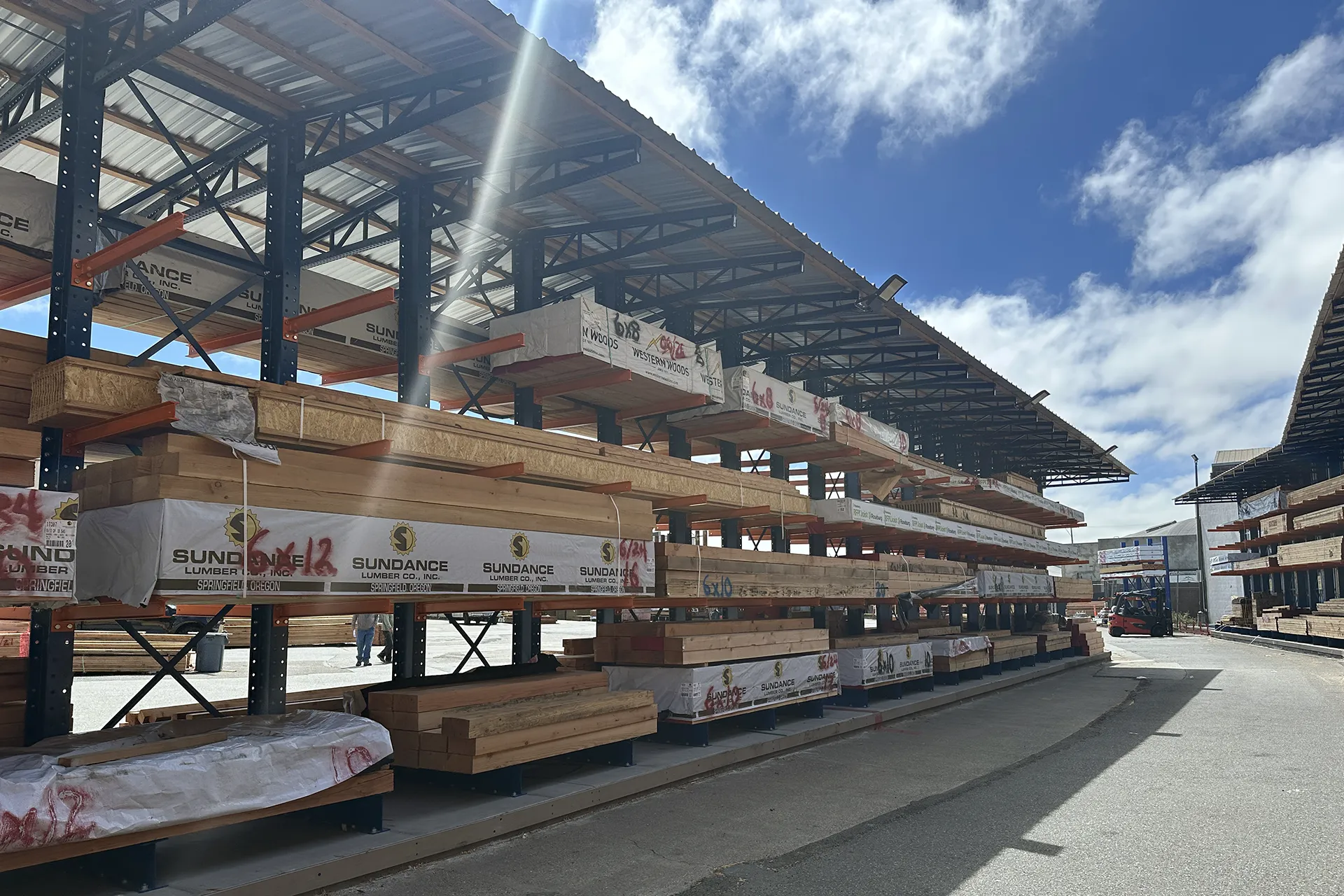
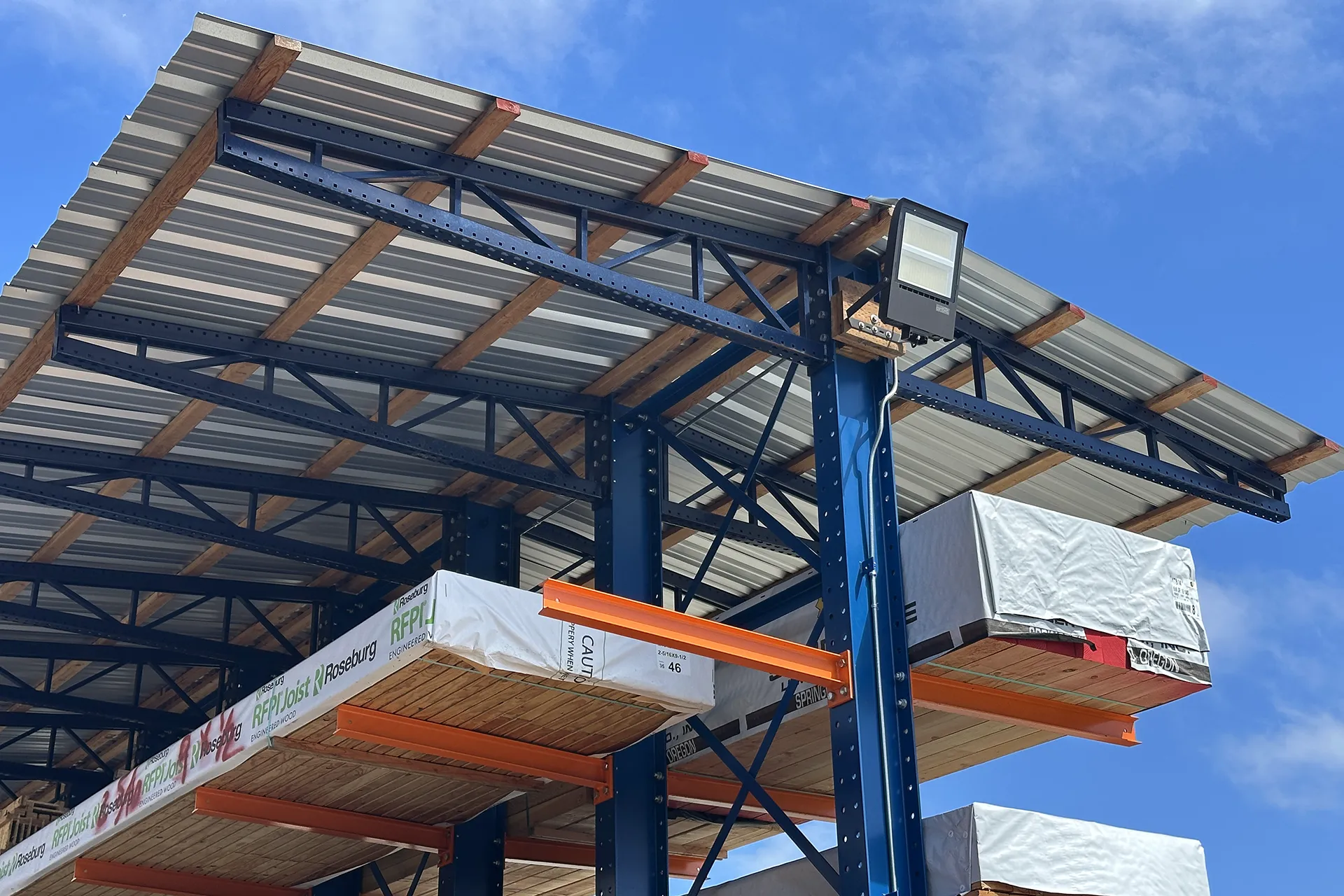
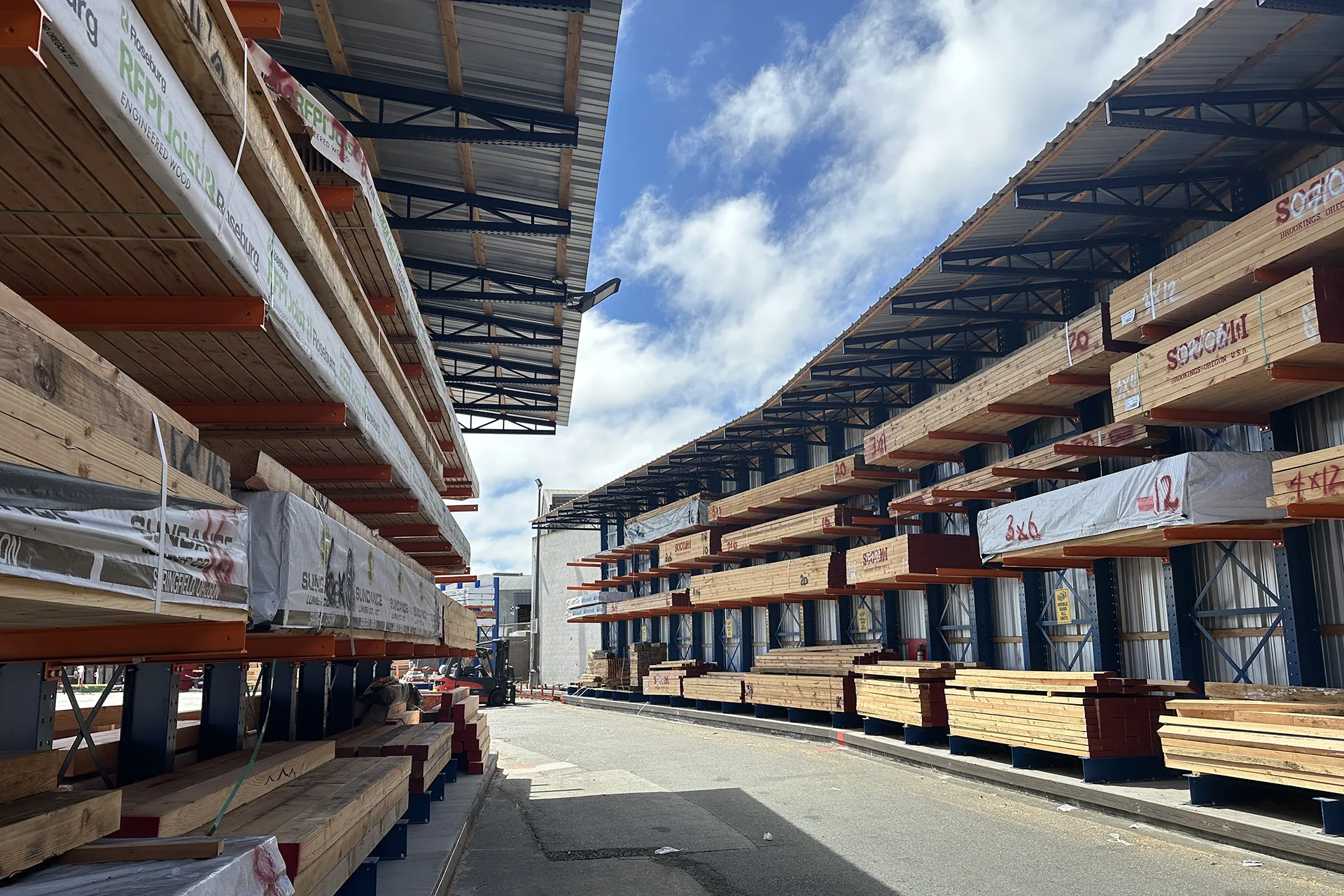
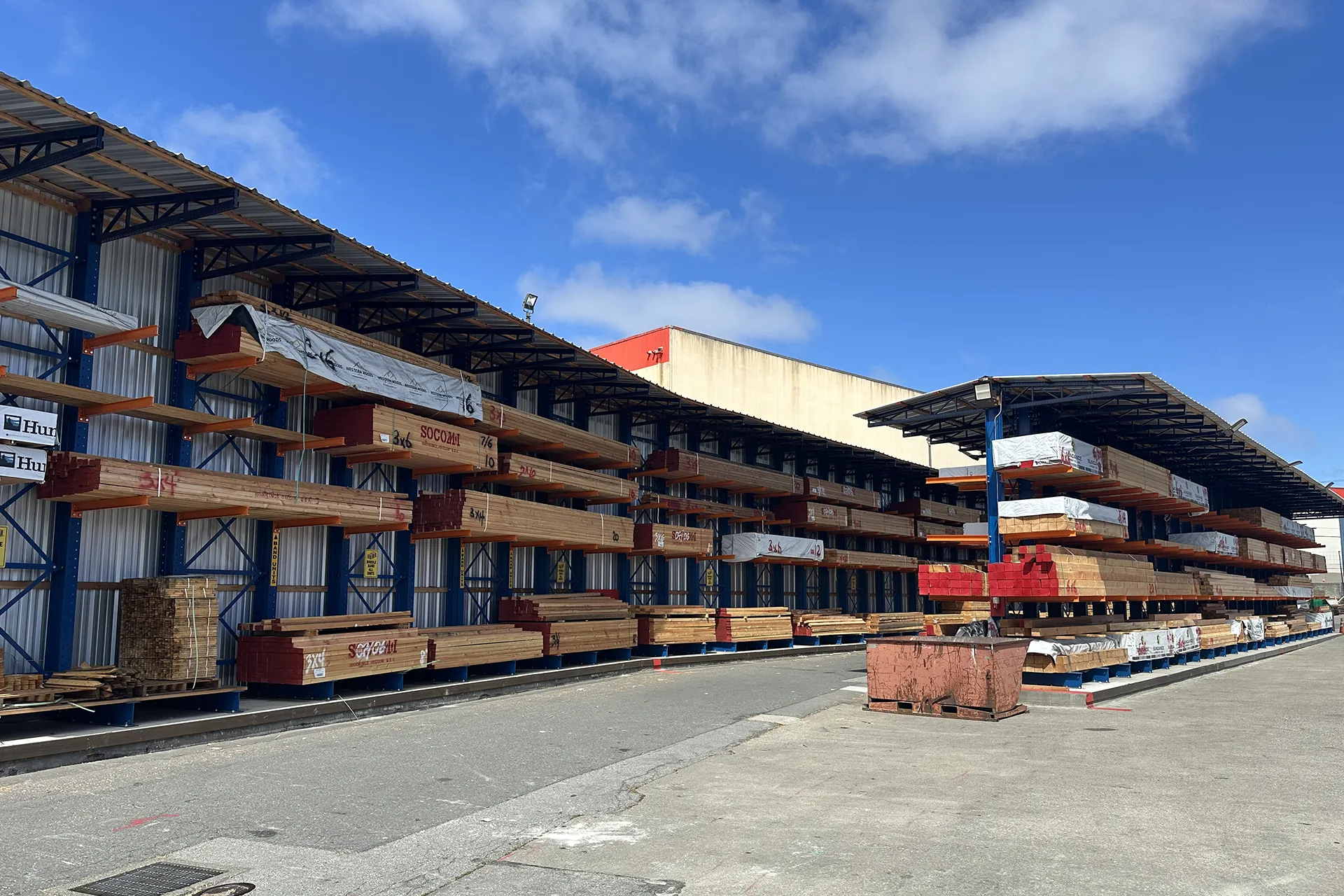
Lumber Company says: “Working with Speedrack West team has been a real pleasure. They made the whole process smooth and straightforward, and we’re 100% planning to come back again—which we actually just did recently.”
Derek Patterson says: “I would suggest that there should be no hesitation…from placing an order to getting everything delivered in such a timely manner. I had racking within 7 days compared to 4 to 6 weeks elsewhere. The customer service level is fabulous.”
The Brands Behind the Racks
Installation &
Tear Down
Our in house installation crew do their job promptly and professionally. We can also help with moving or tearing down your old rack system.


Reviews
Leave a review!
Sign In