


Gravity Roller Conveyor Systems


An image displaying a conveyor with optional structures and features.


Gravity Roller Conveyor Systems

from $47.27 ea
Key Features
-

Straight and curved gravity roller conveyors are in stock
-
Distributed live load per 10’ section, or 1300 lbs. per 5’ section
-
Gravity conveyor roller capacity: from 250 to 540 lbs. per roller.
-
Contact Us for custom sizing or additional options/features.
-
Variations of gravity roller conveyors are available: light-duty gravity roller conveyors, medium-duty, and heavy-duty gravity roller conveyors.
Delivery Terms
-

Special Manufacturer Rates
Access exclusive pricing
Access exclusive pricing
-

Nation-wide Shipping
Great rates & lead time across the country
Great rates & lead time across the country
-

Order What You Need
Avoid overpaying by talking to our experts today!
Avoid overpaying by talking to our experts today!
Delivery Terms
-
Special Manufacturer Rates
Access exclusive pricing
Access exclusive pricing
-
Nation-wide Shipping
Great rates & lead time across the country
Great rates & lead time across the country
-
Order What You Need
Avoid overpaying by talking to our experts today!
Avoid overpaying by talking to our experts today!
Key Features
-
Straight and curved gravity roller conveyors are in stock
-
Distributed live load per 10’ section, or 1300 lbs. per 5’ section
-
Gravity conveyor roller capacity: from 250 to 540 lbs. per roller.
-
Contact Us for custom sizing or additional options/features.
-
Variations of gravity roller conveyors are available: light-duty gravity roller conveyors, medium-duty, and heavy-duty gravity roller conveyors.
Description
Every conveyor system is custom-designed to meet your specific needs. We start by understanding your requirements, including the types of products to be handled, their dimensions, and your throughput goals. With this information, we tailor conveyor solutions that align perfectly with your operational demands, ensuring a cost-effective and efficient material handling solution. Contact us.
Gravity Conveyors
An important value of a gravity conveyor is moving items without power.
Gravity conveyor systems are two types of gravity conveyors: gravity wheel and gravity roller conveyors.

We bet you have heard about other types, such as gravity feed conveyors, gravity spiral conveyors, gravity pallet conveyors, flexible gravity conveyors, and even heavy-duty gravity. What should you keep in mind?
Talking about the technical side, wheel, roller, and flexible variations present a big family of conveyors.

Rail wheel conveyors
Rail wheel conveyors are commonly floor- or rack-mounted to convey unit loads utilizing two or more parallel rail conveyors. Rail-wheel conveyors are lightweight. There are some models of rail wheel conveyors. They vary in weight, number of wheels per foot, and maximum frame capacity. For instance, model RCD rail wheel conveyors are available in two popular styles. Model RCD-3 features wheels in a 3” pattern, while model RCD-1.5 includes a 1-1/2” staggered dense wheel pattern.

Gravity skate wheel conveyors
Gravity skate wheel conveyors are designed for two big applications: straight and curved sections. Frames: formed galvanized steel channel 2-1/2” x 1” x 12 ga. Frame capacity: galvanized steel 350 lbs. max. distributed live load per 10’ section, or 1300 lbs. per 5’ section. The curves are 4’ or 5’ outside radius.
Please note that different manufacturers indicate different numbers of wheels that should be placed under the product. This depends on the total width of the conveyor and the model. A gravity flow skate wheel conveyor is used to move light loads with smooth flat bottoms, such as cartons and plastic boxes, crates, sheets, etc.

You can view the following items here:
Galvanized Gravity Roller Conveyor Straight Sections for light-duty applications.
Galvanized Gravity Roller Conveyor Straight Sections for medium-duty applications.
Galvanized Gravity Roller Conveyor Curved Sections for light-duty applications.
Galvanized Gravity Roller Conveyor Curved Sections for medium-duty applications.
Gravity roller conveyors
Gravity roller conveyors are used to move loads with an uneven bottom. Thus, items should never be longer than the length of the rollers. Notice that the conveyor’s total width includes the frame’s width, which is one inch on either side of the rails. So, if your package requires 16 inches, the gravity roller conveyor width should be at least 18 inches.
There are various models of straight and curved gravity roller conveyors. Curves with a 4′-0″ inside radius are manufactured in 45-degree sections and require full support at the center of the curve.

There are also two types of curved gravity roller conveyors: single and double roller curves. Gravity conveyor roller capacity is available from 250 to 540 lbs. per roller.
For straight sections of a steel gravity roller conveyor, roller capacity can be 700 and 2500 lbs. per roller, depending on the model. This allows them to be used for the transportation of pallets. However, be careful while utilizing the conveyor 24/7/365 as the equipment can malfunction.
Gravity roller conveyor systems exist in some variations: light-duty gravity roller conveyors, medium-duty, and heavy-duty gravity roller conveyors. This depends on the standard roller sizes and loads. Larger rollers can support more weight, but they are more expensive.
Gravity-feed conveyors
Gravity-feed conveyors support transferring materials onto another type of conveyor or equipment. Typically, a gravity feed roller conveyor is used to automatically feed products into an assembly system. The times when feed conveyors were only talked about in the case of raw material feeding are gone. Now you can use them to assemble items up to a certain level and then push them to the surface of the next equipment, such as a gravity belt conveyor, to eliminate labor.
Gravity Roller Applications and Cases
In this section, we’ll explore the real-world applications and success stories of using gravity rollers to effortlessly transport goods, leaving businesses rolling in profits. Gravity roller conveyors are a popular choice for assembly lines and distribution centers due to their efficiency in transporting products without the need for external power sources. Here are some examples of how companies have utilized gravity rollers:
- A well-known e-commerce giant found that incorporating gravity roller conveyors into their order fulfillment processes allowed them to move parcels quickly and efficiently from one area to another without relying on manpower alone. This led to an increase in productivity, as well as a decrease in labor costs.
- A leading automotive manufacturer implemented a gravity roller conveyor system on their assembly line, resulting in streamlined production processes and fewer delays caused by manual transportation of parts.
- An international clothing retailer installed a gravity roller conveyor system throughout their distribution center, allowing them to process orders faster with fewer errors while also reducing their carbon footprint by eliminating the need for powered equipment.
- A small-scale bakery incorporated gravity rollers into their packaging line, which helped them move baked goods from one station to another with ease while minimizing product damage.
Overall, incorporating gravity rollers into your business can lead to increased efficiency and productivity while reducing labor costs and environmental impact. With so many successful case studies available, it’s clear that businesses across various industries can benefit from implementing this technology in their operations.
Benefits of gravity conveyors
- Cost-effective: they don’t require electrical components or motors, reducing both initial and ongoing operational costs.
- Environmentally friendly: they move items under gravity with no energy
- Flexibility: Gravity conveyors are versatile. They can be straight, curved, or inclined, and various accessories such as gates, stops, and diverters can be added to customize the system according to requirements. In addition, you can use flexible gravity conveyors with various configurations.
- Space-saving: they can be particularly beneficial in facilities where space is limited or where layouts need to be optimized for efficient material flow. For example, gravity spiral conveyors are used to move small to medium-sized items from top to bottom.
- Scalability: Gravity conveyors can be modified as production needs change. Additional sections can be added or removed relatively quickly, allowing businesses to adapt their material handling systems to fluctuating demand or operational requirements and areas. You can use them for order picking, sorting, accumulation, and truck loading/unloading.
Contact us today to discuss which conveyor system will better support the growth of your business.
Frequently Asked Questions
What is the maximum weight capacity of a gravity roller conveyor system?
If you’re wondering what the maximum weight capacity of a gravity roller conveyor system is, the answer isn’t straightforward since it depends on various factors. The weight capacity can vary depending on the length and width of rollers used in your system. It also depends on whether you have added any additional supports or if your conveyor system is inclined. Generally speaking, these systems are capable of handling up to several hundred pounds per linear foot, but it’s always best to consult with a professional to determine the exact weight limits for your particular setup. With proper planning and installation, a gravity roller conveyor system can be an efficient method for transporting heavy loads in your facility.
How often does a gravity roller conveyor system require maintenance?
To keep your gravity roller conveyor system running smoothly, it’s important to schedule regular maintenance checks. Depending on the frequency and intensity of use, these checks may need to happen monthly or even weekly. During these inspections, you’ll want to check for any signs of wear and tear on the rollers, as well as any debris that may have accumulated in the system. Additionally, it’s important to make sure all bolts and connections are tight and secure. By staying on top of maintenance, you can ensure that your conveyor system is operating at peak efficiency and minimize the risk of costly breakdowns or downtime.
Can a gravity roller conveyor system be used for both straight and curved paths?
You may be wondering if a gravity roller conveyor system is versatile enough to handle both straight and curved paths. The answer is yes! These systems can be designed with curves of varying degrees, allowing you to create a customized layout that fits your specific needs. Keep in mind that the radius of the curve will dictate how much space is needed for the conveyor system, so careful planning and design are necessary. Additionally, it’s important to ensure that the rollers are properly aligned and spaced to maintain smooth operation around curves. With proper planning and maintenance, a gravity roller conveyor system can efficiently move your products along both straight and curved paths.
What type of material are gravity rollers typically made of?
When it comes to gravity roller conveyor systems, the rollers themselves are a critical component. These rollers are typically made of durable materials such as steel or aluminum, which allow them to withstand the weight and pressure of moving objects. The smooth surface of these materials helps to ensure that products can move smoothly along the conveyor without getting stuck or damaged. As you delve deeper into understanding gravity roller conveyors, it becomes clear that selecting the right type of material for your rollers is crucial if you want to achieve optimal efficiency and performance from your system. So whether you’re looking to build a new conveyor system from scratch or simply upgrade an existing one, taking the time to research different types of roller materials is an essential step toward unlocking the full potential of your operation. Remember: “You get out what you put in.”
Is it possible to integrate a gravity roller conveyor system with other types of conveyor systems?
You may be wondering if it’s possible to integrate a gravity roller conveyor system with other types of conveyor systems. The answer is yes, it is definitely possible. By using transfer plates or belts, you can seamlessly connect gravity roller conveyors to powered conveyor systems such as belt conveyors or line shaft conveyors. This integration allows for a smooth flow of materials and products throughout the entire production process, increasing efficiency and reducing manual labor. It also provides flexibility in designing your conveyor system to meet specific needs and requirements of your operation. Integrating different types of conveyors into one cohesive system can unlock even more potential for improving productivity and maximizing profits.
Industries utilizing Gravity Roller Conveyors
-
Warehousing

-
E-commerce & Retail

-
Distribution and Sorting Facilities

-
Manufacturing and assembly lines

-
Automotive

-
Postal services

-
Baggage handling at airports

-
Food & Beverage

Want to Make Sure It Fits?

or
Industries utilizing Gravity Roller Conveyors
-
Warehousing
-
E-commerce & Retail
-
Distribution and Sorting Facilities
-
Manufacturing and assembly lines
-
Automotive
-
Postal services
-
Baggage handling at airports
-
Food & Beverage
Want to Make Sure It Fits?
or
FAQ
What additional functionality can be incorporated into gravity roller conveyors?
Pneumatic Stops and Diverts, Merges and Converges, Turntables and Rotators, Accumulation Zones, Gravity Spiral Chutes, Integrated Weighing and Dimensioning Systems, Barcode and RFID Scanners and many other additional features can be integrated.
What are the frame and roller capacity?
Frame capacity can be from 250 lbs. per roller, or 1300 lbs. maximum distributed live load per 10’ section with supports at 10’ centers; 3200 lbs. at 5’ centers (model 196G galvanized steel gravity roller conveyor) to 3750 lbs. maximum distributed live load per 10’ section with supports at 10’ ctrs; 8000 lbs. at 5’ ctrs. (model 251S structural)
What technical support and maintenance services are required?
Gravity conveyors may require occasional repair or replacement of components such as rollers, bearings, belts, and frames. We provide assistance with diagnosing issues, sourcing replacement parts, and performing repairs.


Irving Nieves says: “It's been an easy process working with the Speedrack West team, even with the changes partway through.”


Scott Misso says: “Everything works as expected. Designed as it should be. Good job!”


Kyle Gersman says: “I called Bill multiple times a day and he always picked up and was always very helpful. What I really liked is that they pointed out a lot of questions and processes that I didn't even have on my radar going into the move. It helped me expand the scope to an appropriate size of what I needed to consider as we made the transition to a bigger facility.”


Robert Baumgartner says: “Despite picking up this project in the middle of its lifecycle, the transition was flawless thanks to the team’s stellar communication. They exceeded our expectations by delivering the installation earlier than anticipated and hitting every technical requirement. From the sales team’s quick answers to their willingness to make adjustments, the experience was top-tier.”


Consolidated Supply says: “We’re very happy to be your regular client, and it’s always so easy to work with your team”


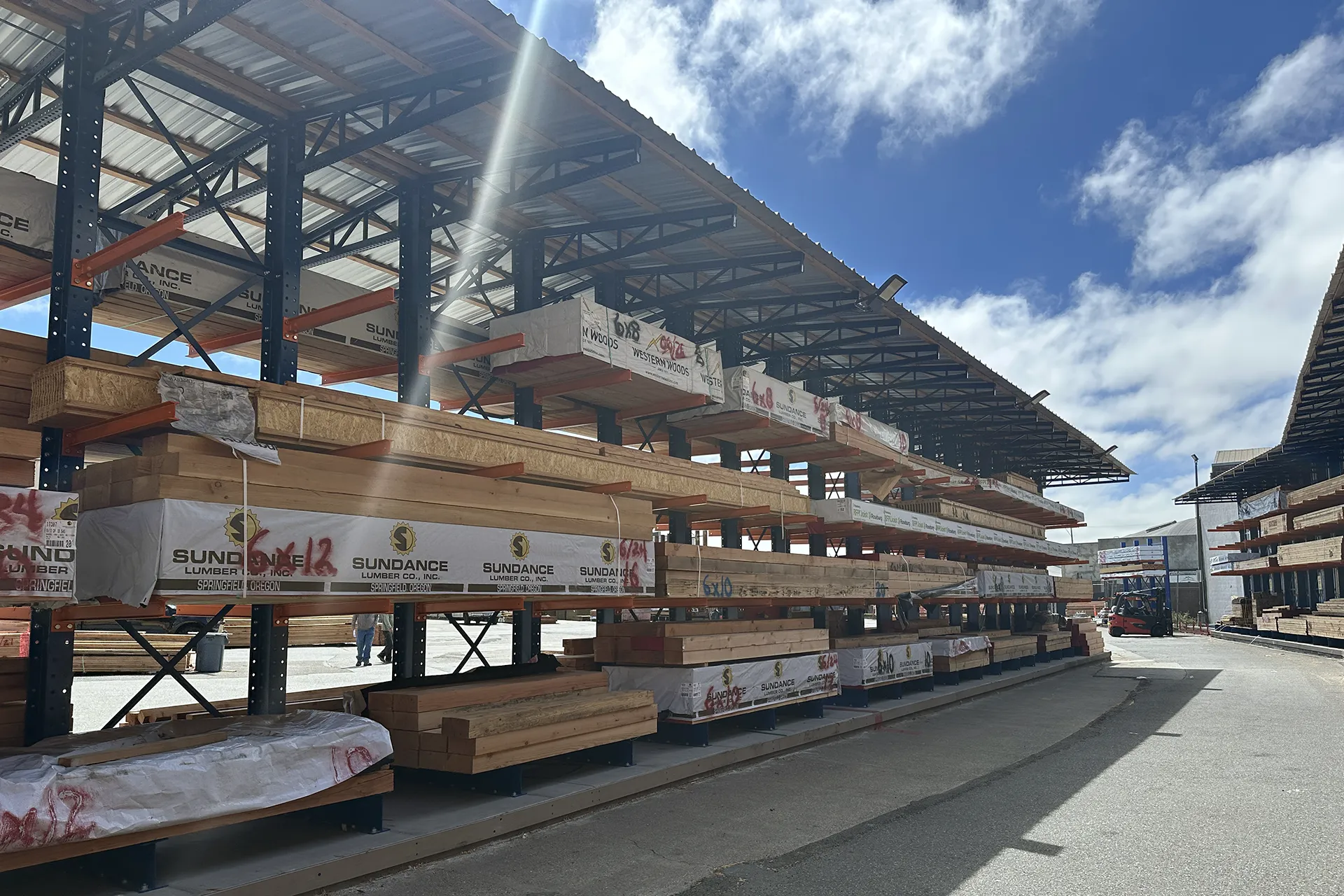
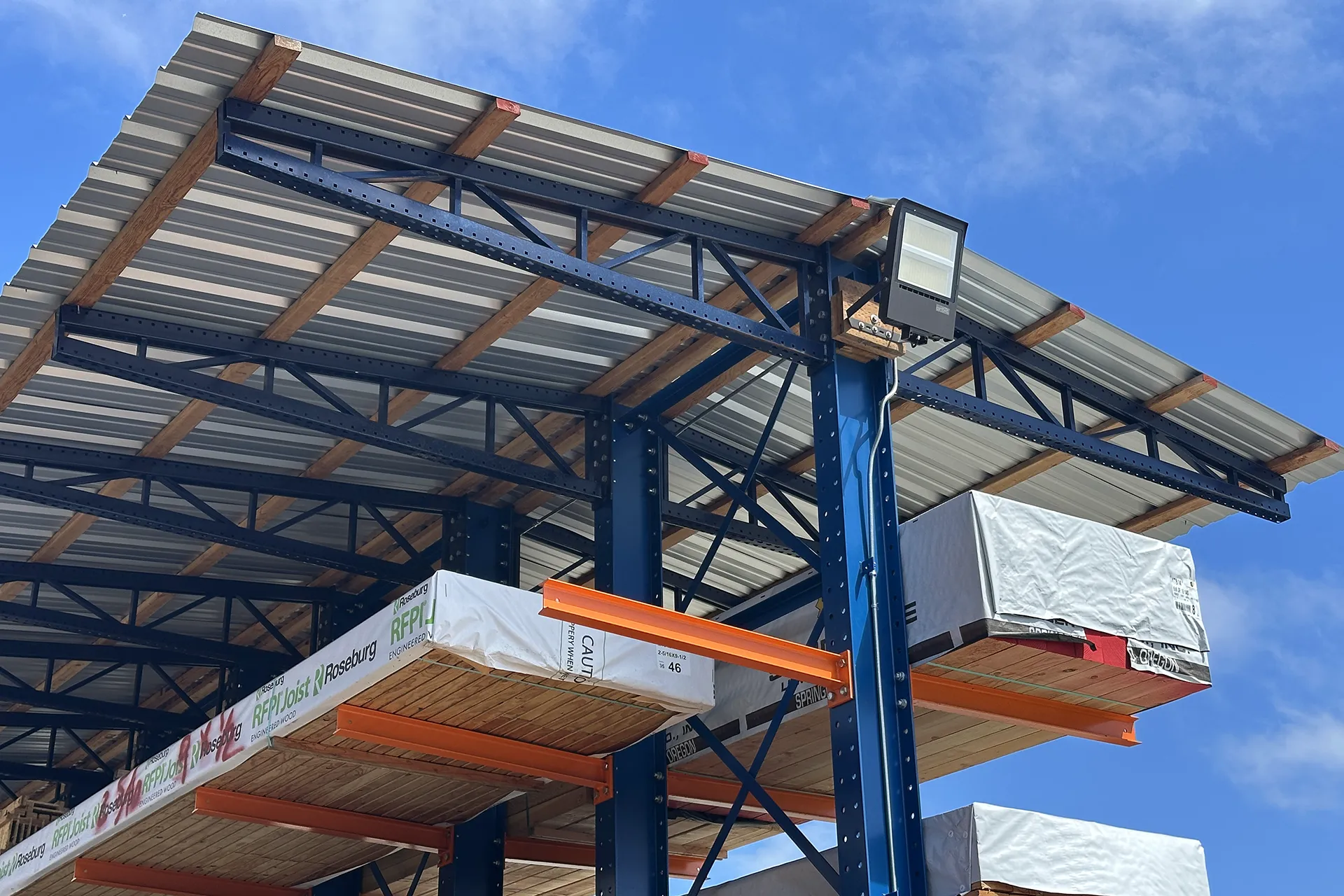
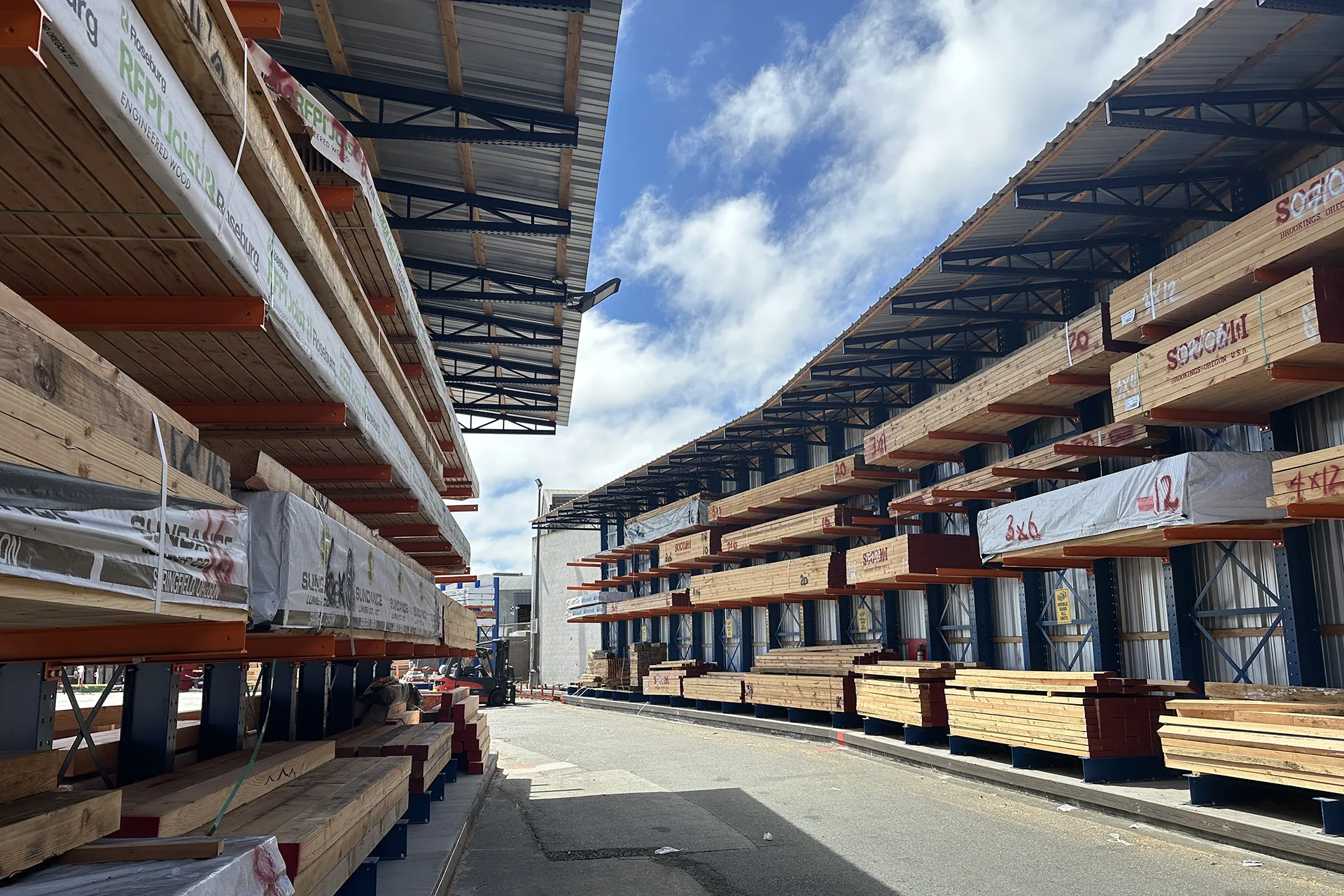
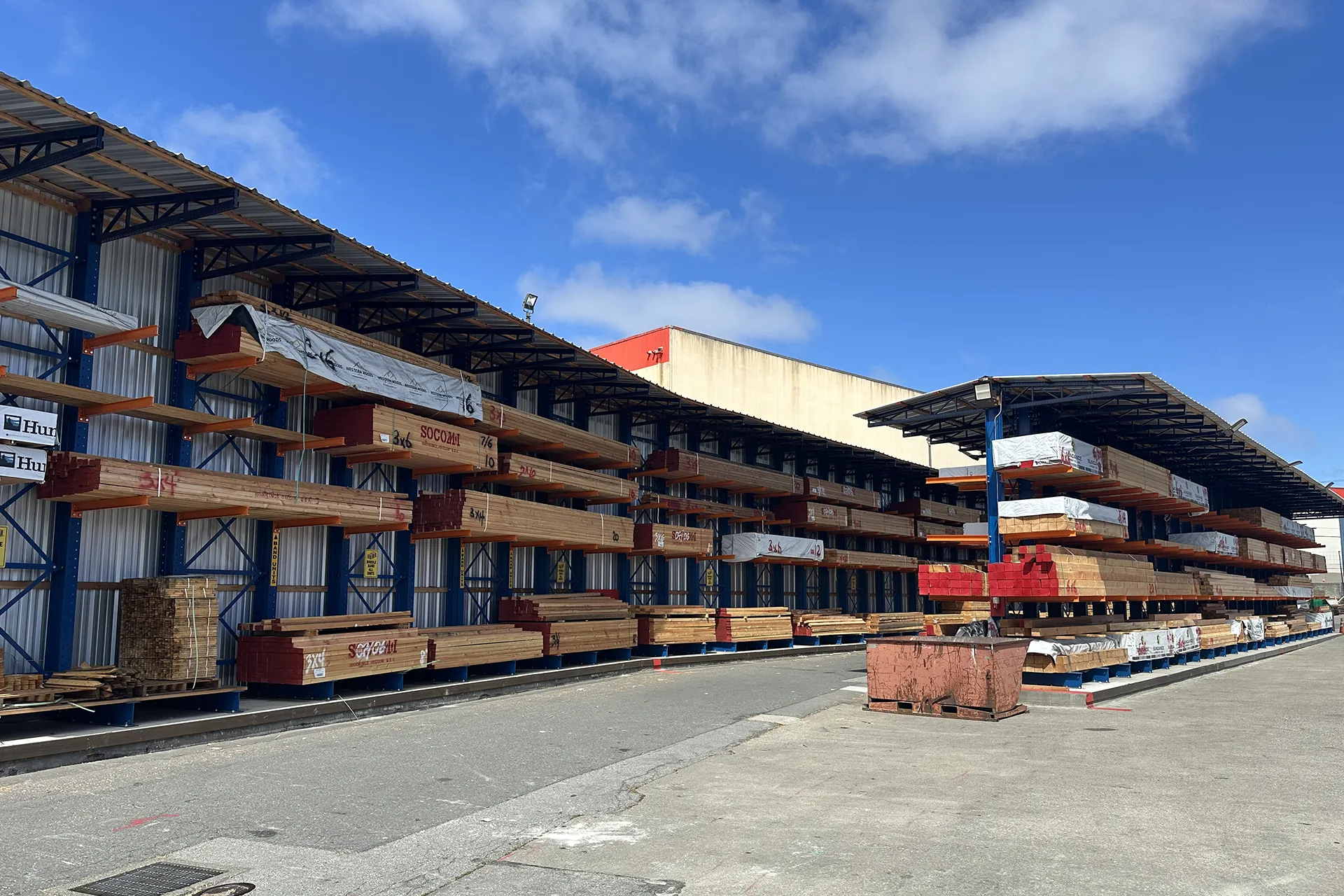
Lumber Company says: “Working with Speedrack West team has been a real pleasure. They made the whole process smooth and straightforward, and we’re 100% planning to come back again—which we actually just did recently.”


Derek Patterson says: “I would suggest that there should be no hesitation…from placing an order to getting everything delivered in such a timely manner. I had racking within 7 days compared to 4 to 6 weeks elsewhere. The customer service level is fabulous.”
The Brands Behind the Racks


Related Products


Straight Sections for Galvanized Gravity Roller Conveyor (Light Duty)
$165.29 - $464.76
Order


Irving Nieves says: “It's been an easy process working with the Speedrack West team, even with the changes partway through.”
Scott Misso says: “Everything works as expected. Designed as it should be. Good job!”
Kyle Gersman says: “I called Bill multiple times a day and he always picked up and was always very helpful. What I really liked is that they pointed out a lot of questions and processes that I didn't even have on my radar going into the move. It helped me expand the scope to an appropriate size of what I needed to consider as we made the transition to a bigger facility.”
Robert Baumgartner says: “Despite picking up this project in the middle of its lifecycle, the transition was flawless thanks to the team’s stellar communication. They exceeded our expectations by delivering the installation earlier than anticipated and hitting every technical requirement. From the sales team’s quick answers to their willingness to make adjustments, the experience was top-tier.”
Consolidated Supply says: “We’re very happy to be your regular client, and it’s always so easy to work with your team”
Lumber Company says: “Working with Speedrack West team has been a real pleasure. They made the whole process smooth and straightforward, and we’re 100% planning to come back again—which we actually just did recently.”
Derek Patterson says: “I would suggest that there should be no hesitation…from placing an order to getting everything delivered in such a timely manner. I had racking within 7 days compared to 4 to 6 weeks elsewhere. The customer service level is fabulous.”
The Brands Behind the Racks
Installation &
Tear Down
Our in house installation crew do their job promptly and professionally. We can also help with moving or tearing down your old rack system.


Reviews
Leave a review!
Sign In