


Drive-In Rack


Drive-In Rack

Send us your request to receive an estimate
Key Features
-

High Density Storage
-
FIFO / LIFO Storage Method
-
Dual / Common Aisle Entry
-
High Accessibility
-
Versatility
-
Have questions? Contact us now!
Delivery Terms
-

Nation-wide Shipping
Great rates across the country
Great rates across the country
-

Free Help
Call us for order assistance
Call us for order assistance
-

Quote Now
Contact us for lead times
Contact us for lead times
Delivery Terms
-
Nation-wide Shipping
Great rates across the country
Great rates across the country
-
Free Help
Call us for order assistance
Call us for order assistance
-
Quote Now
Contact us for lead times
Contact us for lead times
Key Features
-
High Density Storage
-
FIFO / LIFO Storage Method
-
Dual / Common Aisle Entry
-
High Accessibility
-
Versatility
-
Have questions? Contact us now!
Description
Every end-product is precisely tailored to your specifications. We begin by gathering detailed measurements of your product; including length, depth and weight. Based on that information, we can custom-design drive in racks to ensure a perfect fit for your needs, ensuring a cost-effective and efficient storage solution.
Drive-in Pallet Rack Storage System
Drive-in racking system allows forklifts to drive directly into the storage lanes to load and retrieve pallets. Forklifts enter the selective pallet rack structure to place or retrieve pallets, unlike other systems where forklifts operate only in aisles. Such a pallet storage solution operates on a Last-In, First-Out (LIFO) basis, ideal for items that do not require strict stock rotation.

These systems can accommodate multiple pallets deep per lane (often 4-6 pallets deep or more) which makes them a high-density storage system.
Frequently used in cold storage applications (like freezers) where space has high cost because of temperature-controlled environments.
Drive-thru Pallet Rack System
Unlike drive-in racks that have only one entry/exit point, drive-thru racks are accessible from both ends. This allows for a First-In, First-Out (FIFO) inventory racking solution – loading and unloading from both ends of the rack. The FIFO system is particularly advantageous for industries dealing with perishable goods, such as food and pharmaceuticals.

Drive-In vs. Drive-Thru: Which One Do You Need?
| Drive-in rack | Drive-thru rack | |
|---|---|---|
| Access | One end only | Both ends |
| Inventory method | LIFO | FIFO |
| Best fit | Bulk, uniform product where load order doesn’t matter | Product needing strict rotation, like date-coded goods |
| Structure | Simpler, one open end | More complex, needs support at both ends of the lane |
If your product needs strict rotation, drive-thru is worth building instead. If it doesn’t, drive-in gets you the same density at a simpler, less expensive structure.
Drive-In vs. Selective Pallet Racking: How Much Space You Gain
Selective pallet racking needs a forklift aisle in front of every row so each pallet can be reached. Drive in pallet racking replaces most of those aisles with storage lanes, so the same floor area holds more pallets. The more pallets you store of each SKU, the more of that aisle space you get back.
The trade-off is access. With selective pallet racking, every pallet can be picked at any time. With drive-in, only the pallet at the front of each lane is reachable. That is why drive-in pays off for uniform, high-volume product, and selective is the better choice when you carry many SKUs.
On cost, most of the savings come from the building, not the rack. Fitting more pallets into space you already lease, heat or cool can delay an expansion or a move, which matters most in cold storage. The exact gain depends on your building, pallet sizes and SKU mix, so we compare both options in a CAD warehouse layout before you commit.
Is Drive-In Racking Right for Your Warehouse?
Good fit when:
- Product is uniform: same SKU, same pallet size, stored in real volume.
- Turnover is seasonal or bulk-driven rather than pick-and-ship one pallet at a time.
- You’re storing in a cold storage environment, where floor space carries an ongoing conditioning cost and density pays for itself fast.
Explore other Speedrack West Alternatives when:
- SKU count is high and pickers need any pallet on demand: selective pallet racking gives you full access to every pallet position instead of the last one loaded.
- Product has a hard rotation requirement, like a perishable good on a use-by date: drive-thru (above) works, or pallet flow rack gives you gravity-fed FIFO at similar density without the dual-entry structure drive-thru needs.
Read more on how rack choice affects cold storage efficiency if that’s your situation, or see our FIFO warehouse management guide if strict rotation is a requirement you’re weighing against the density drive-in offers.
Honeycombing: The Main Trade-Off in Drive-In Racking
Honeycombing is empty pallet space you can’t use. In drive in pallet racking, each lane should hold one SKU, because a forklift can only reach the front pallet. If a lane is partly empty, you can’t fill the open spots with a different product without burying it behind the first one. Those spots sit idle until the lane is cleared.
A little honeycombing is normal. Too much cancels out the density you paid for. You can keep it low by:
- Matching lane depth to how many pallets you usually store of each SKU
- Giving each SKU its own lanes and filling one lane at a time
- Using shallower lanes for products you stock in smaller quantities
Lane depth is easiest to get right at the planning stage, which is why we size lanes against your real pallet counts in a CAD warehouse layout.
Special Rack Safety Considerations for LIFO / FIFO Pallet Racking
As a regular pallet rack system, drive-in and drive-thru racks require some basic safety considerations for high density storage.
There are a few features to improve safety. Entry and exit guides to reduce the risk of collisions and improve overall operational speed and safety. Floor-mounted guide rails to guide the forklift’s path and prevent impacts with racking. Safety stops to prevent pallets from being pushed too far and falling off the racking system. Load capacity signage will show the maximum load capacities. Thus, it will remind operators of load limits.
Other than that, there are some common safety precautions for drive-in systems: operator training programs, regular inspections, constant monitoring of pallet conditions, etc.
Preventing Forklift Damage Inside the Lanes
In drive in pallet racking, the forklift works inside the rack, not beside it. Clearances are tight, so the uprights at the lane entrance and the support rails along each side take most of the impacts. A bent upright or rail can weaken the whole bay, not just the spot that was hit.
To reduce damage:
- Drive straight in and straight out, centered between the rails
- Lift the pallet clear of the rails before traveling, and lower it only when it is fully in position
- Travel slowly inside the lanes and keep the load centered on the forks
- Use the entry guides and floor-mounted guide rails described above
- Report any bent upright or rail right away and stop loading that lane until it has been checked
Regular inspections catch damage early. See our rack safety inspection service for details.
Industries utilizing Drive-In Racks
- Food & Beverages: bulk ingredient and case storage where product moves in uniform pallet volume, often in cold or frozen storage.
- Manufacturing: raw material and finished-goods staging where the same SKU stores in bulk between production runs.
- Automotive: parts and component storage at volume, especially where floor space is at a premium.
- Merchandise: seasonal and promotional inventory that moves in bulk, then clears out for the next cycle.
- Construction: bulk material storage (fasteners, packaged goods, uniform supply runs) at distribution and staging facilities.
Drive-in racking components
The major components are:
- Vertical Uprights. Tall, vertical columns form the sides of the drive-in pallet rack system.


- Horizontal Beams. Provide structural integrity and hold the load of the storage system.


- Support Rails. Horizontal rails that run the depth of the racking system and support the pallets.


- Entry Guides. Guides are located at the base of the system to help position the forklift correctly.


- Bracing. Diagonal or horizontal braces that connect uprights to maintain rigidity and prevent warehouse collapse.

- Plates and Anchors. Plates and anchors at the base of the uprights to ensure stability and safety of high-density storage solution.

Optional components to increase the storage density are:
- Backstops. Barriers are located at the rear of the rack lanes to prevent pallets from being pushed too far back by system design.

- Roof Supports. Additional structural elements that can support a roof or additional covering.
- Guide Rails. Rails positioned at the base or along the sides of the lanes to help in precisely guiding the forklift within the racking lanes.

Contact us today to get help designing your Drive-In racks!
Drive-In Rack FAQ
How many pallets fit in a drive-in rack?
It depends on lane depth, lane count, and rack height, but most systems run 4-6 pallets deep per lane, sometimes more. Total capacity is lane depth times lane count times the number of levels your ceiling height allows. A CAD warehouse layout run against your actual building and pallet counts gives you the real number instead of a rule of thumb.
How much does drive-in racking cost?
It varies with steel gauge, rack height, lane count, and whether you build single- or dual-entry. Dual-entry costs more up front but pays off once a lane holds 10 or more pallet positions, since it removes the single-access bottleneck. Request a quote and we’ll price it against your actual specs rather than a generic estimate.
Is drive-in racking safe?
Yes, when it’s specified and maintained correctly. Drive-in rack falls under the same ANSI MH16.1 standard as the rest of your warehouse racking, and the entry guides, floor-mounted rails, safety stops, and capacity signage covered above are the features that keep it that way. Regular inspection and operator training close the rest of the gap.
What’s the difference between drive-in and pushback racking?
Both are high-density LIFO systems, but they solve the density problem differently. Drive-in racking uses rail-guided lanes that a forklift drives directly into. Pushback racking uses nested carts on rails that push back as each new pallet loads, so the forklift never enters the lane itself. Pushback is often the better fit when you want density without giving up single-side loading from one aisle.
What is honeycombing in drive-in racking?
It is empty pallet space you can’t use because a lane is only partly full and can’t take a different SKU without blocking it. Matching lane depth to how many pallets you store of each SKU keeps it low.
How much space does drive-in racking save compared to selective racking?
Drive-in replaces most forklift aisles with storage lanes, so the same floor holds more pallets. How much more depends on your building, pallet sizes and how many pallets you store per SKU. A CAD warehouse layout compares both options on your actual floor plan.
Industries utilizing Drive-In Racks
-
Food & Beverages

-
Manufacturing

-
Automotive

-
Merchandise

-
Construction

Want to Make Sure It Fits?

or
Reviews (2)
Industries utilizing Drive-In Racks
-
Food & Beverages
-
Manufacturing
-
Automotive
-
Merchandise
-
Construction
Want to Make Sure It Fits?
or


Irving Nieves says: “It's been an easy process working with the Speedrack West team, even with the changes partway through.”


Scott Misso says: “Everything works as expected. Designed as it should be. Good job!”


Kyle Gersman says: “I called Bill multiple times a day and he always picked up and was always very helpful. What I really liked is that they pointed out a lot of questions and processes that I didn't even have on my radar going into the move. It helped me expand the scope to an appropriate size of what I needed to consider as we made the transition to a bigger facility.”


Robert Baumgartner says: “Despite picking up this project in the middle of its lifecycle, the transition was flawless thanks to the team’s stellar communication. They exceeded our expectations by delivering the installation earlier than anticipated and hitting every technical requirement. From the sales team’s quick answers to their willingness to make adjustments, the experience was top-tier.”


Consolidated Supply says: “We’re very happy to be your regular client, and it’s always so easy to work with your team”


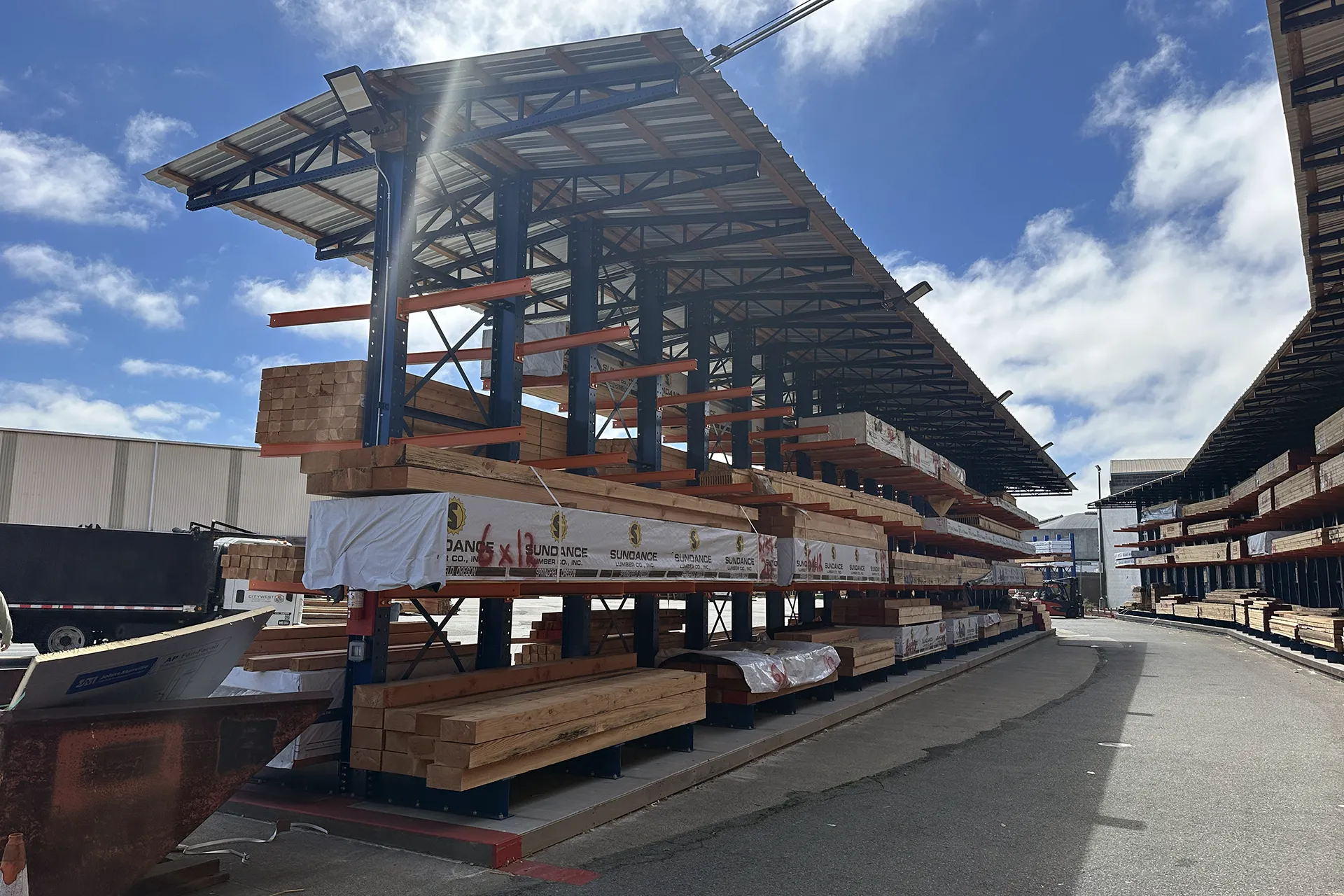
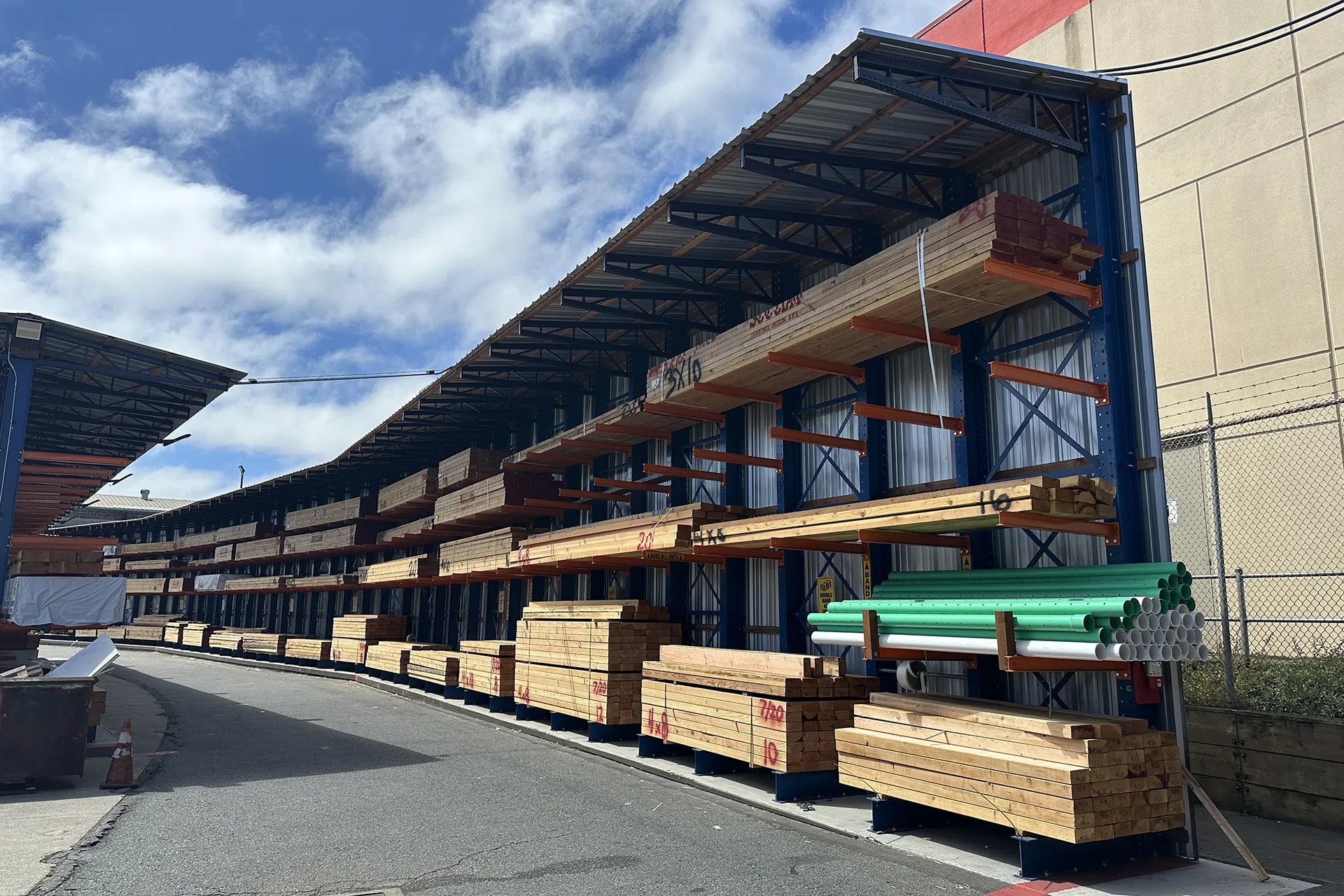
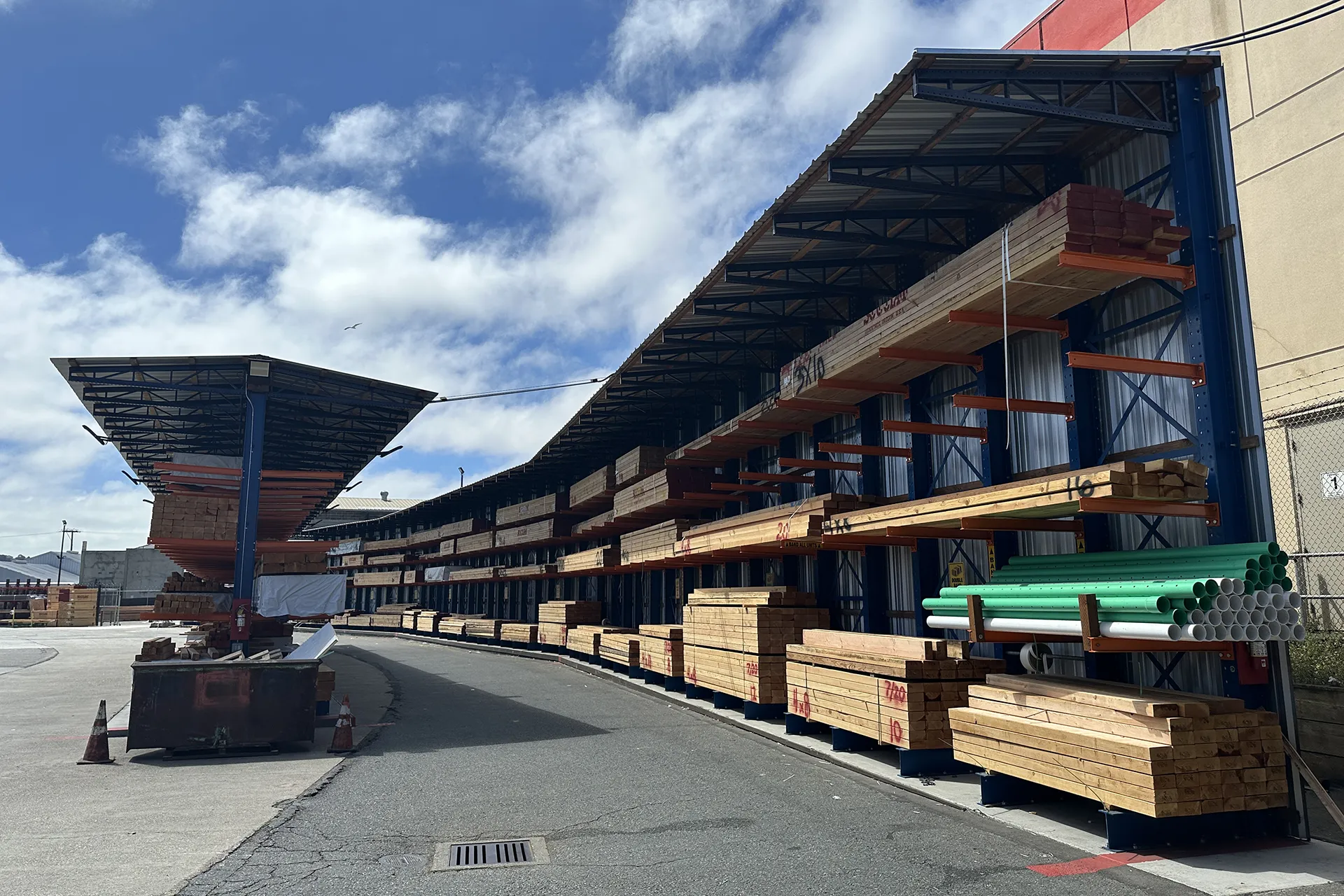
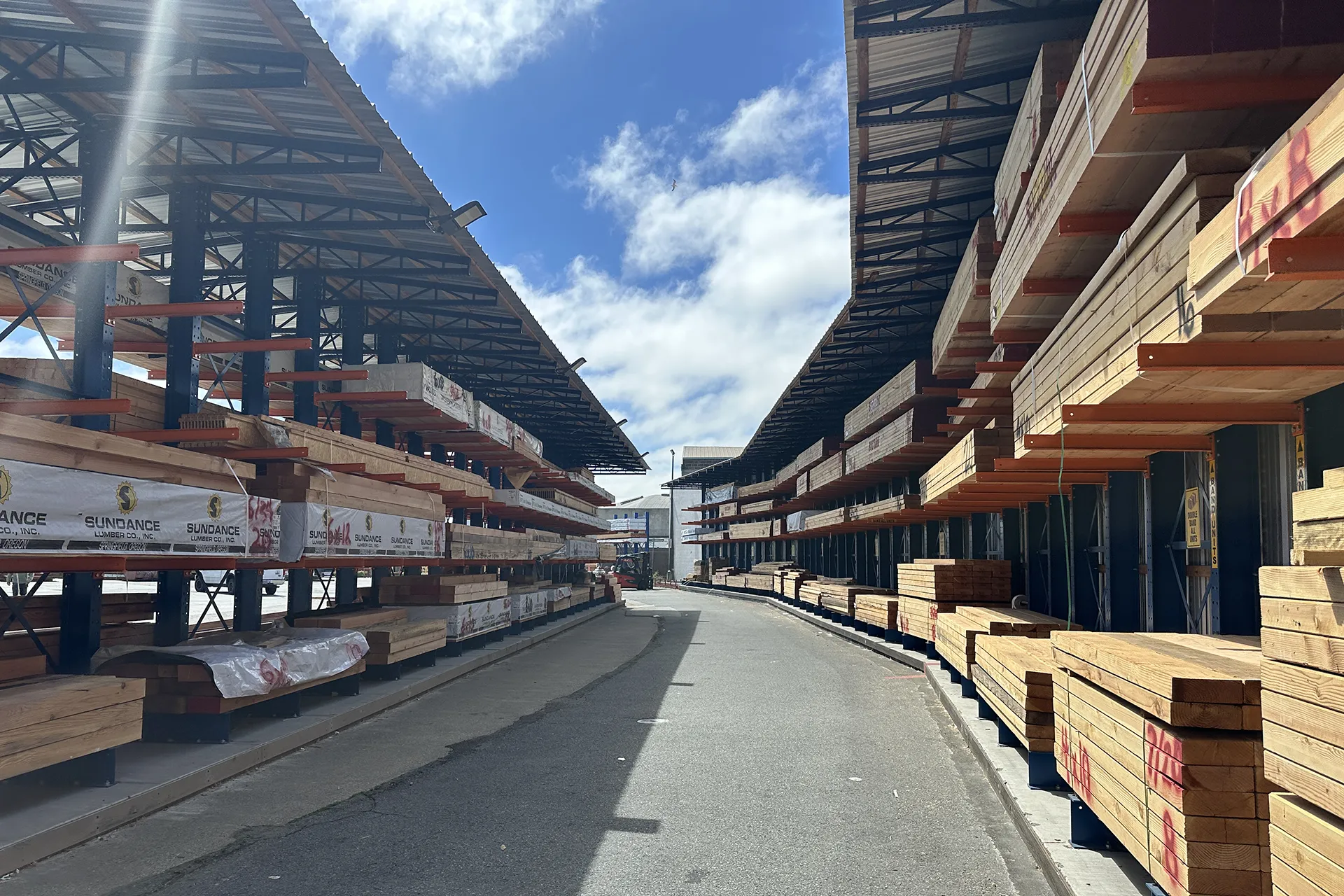
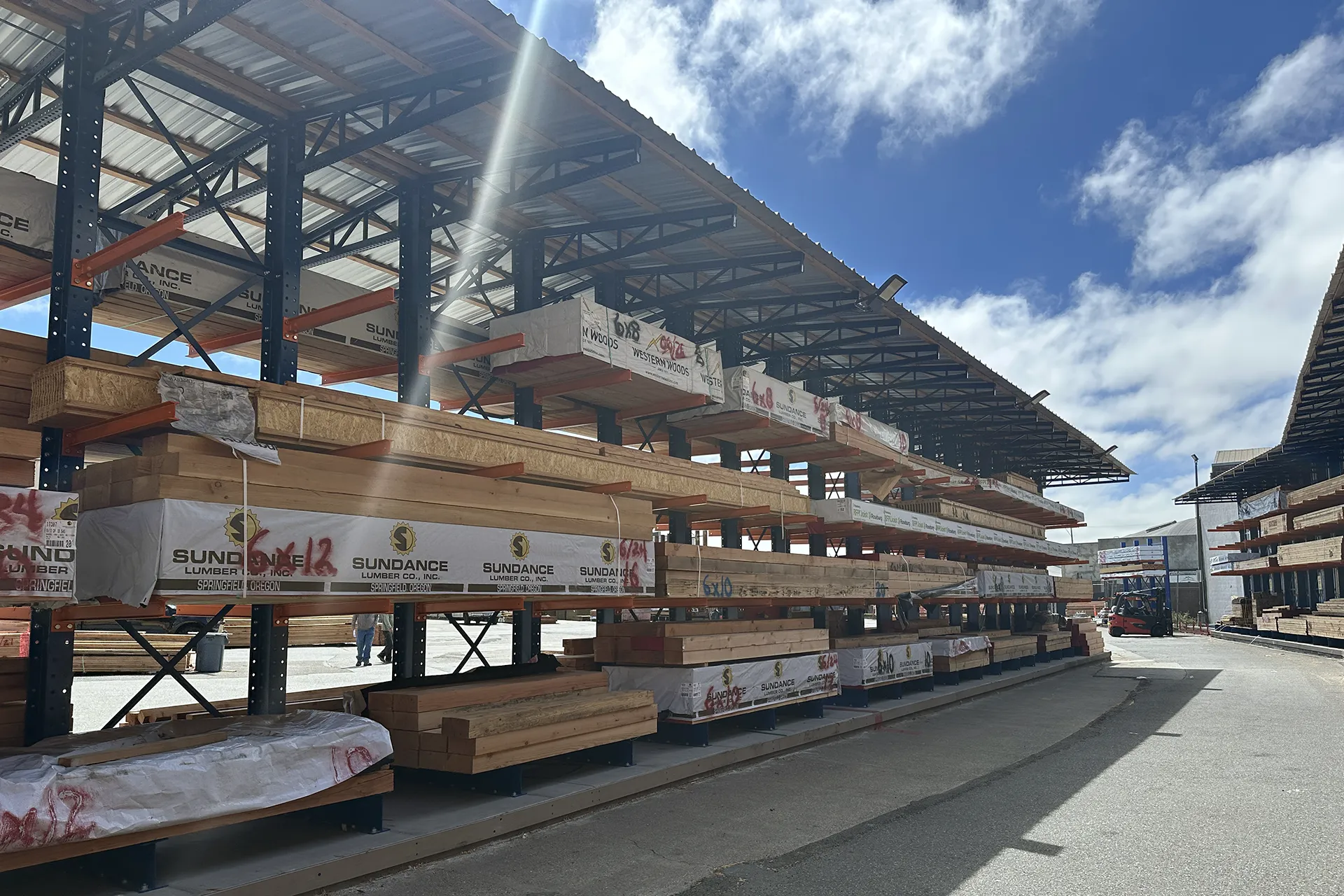
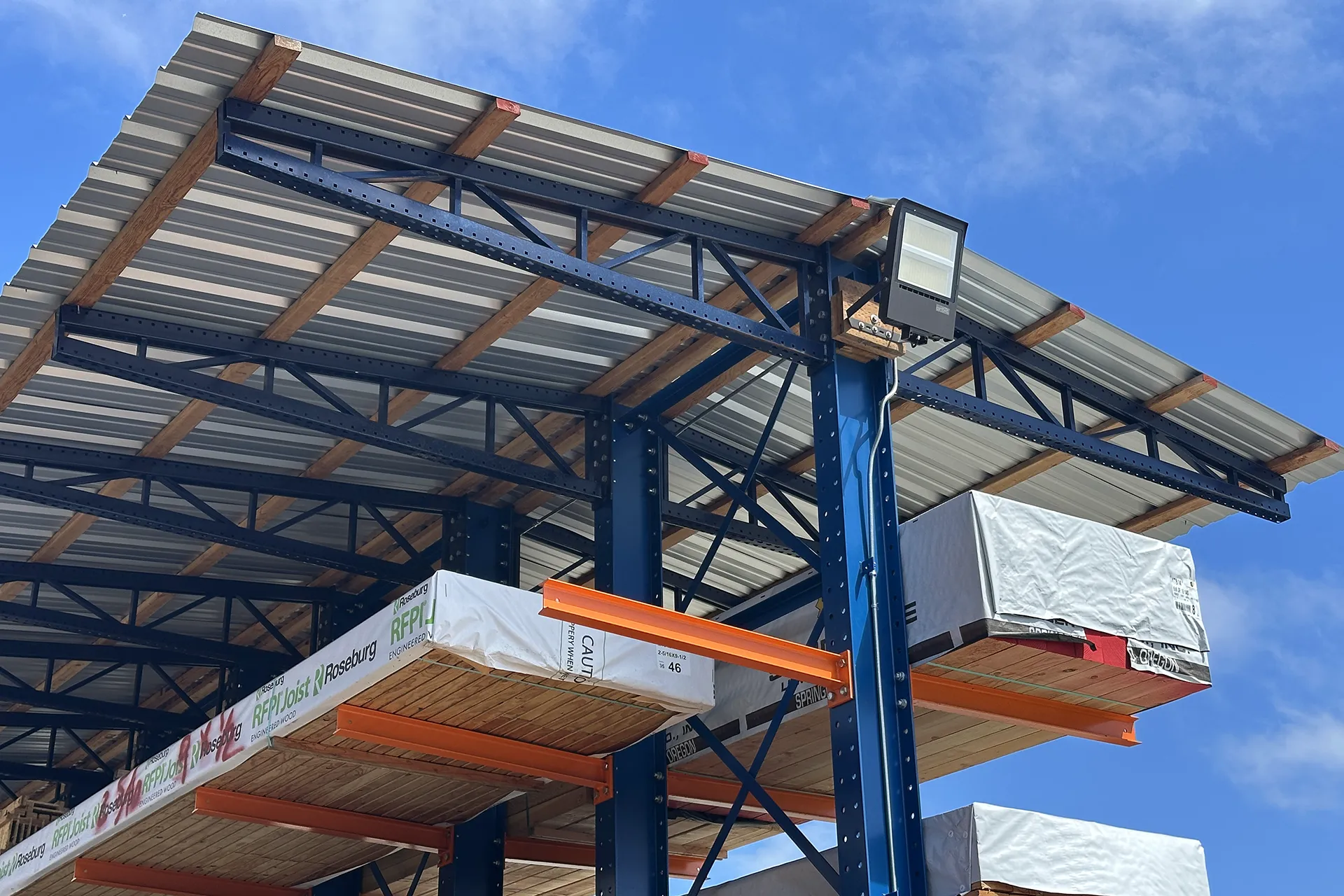
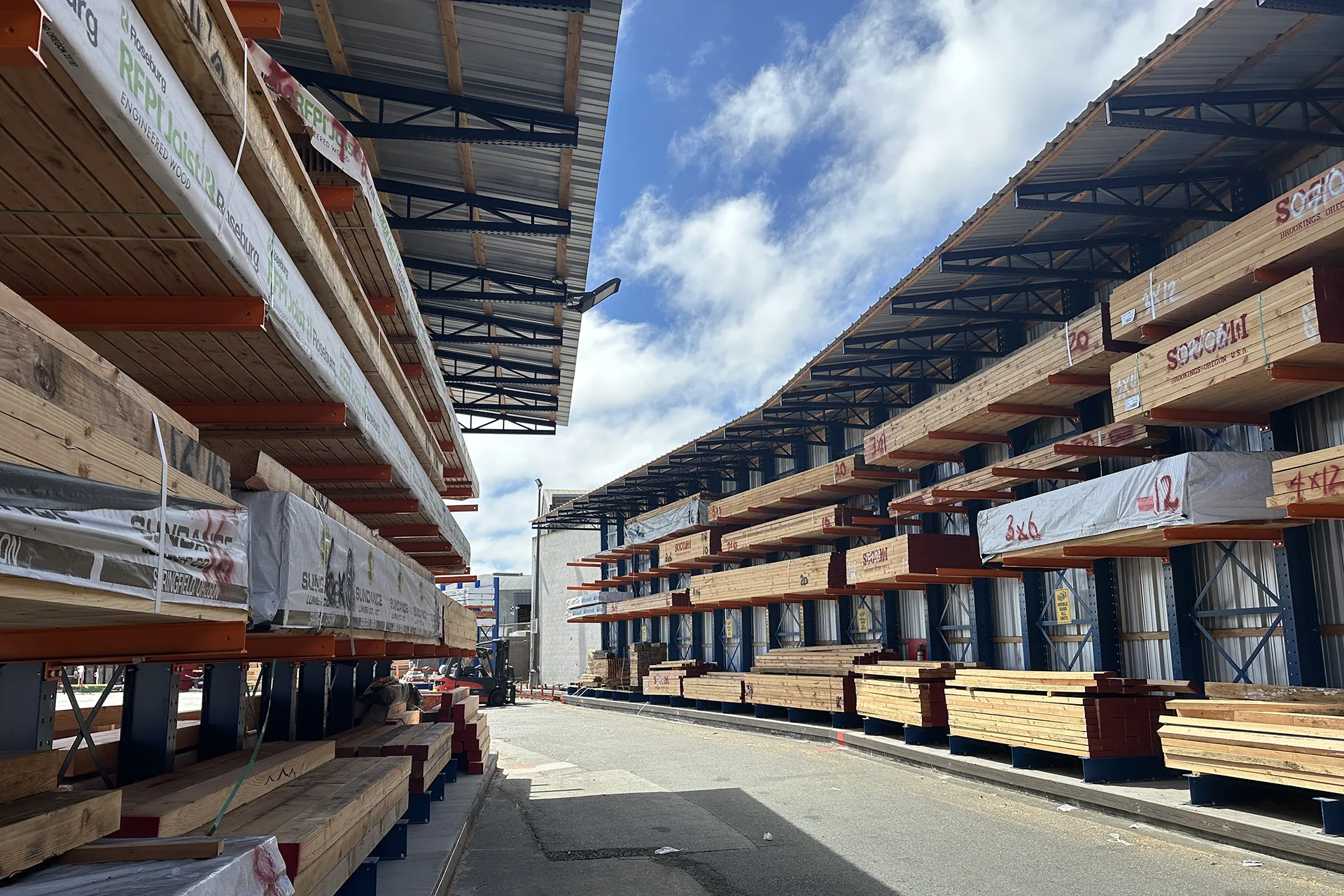
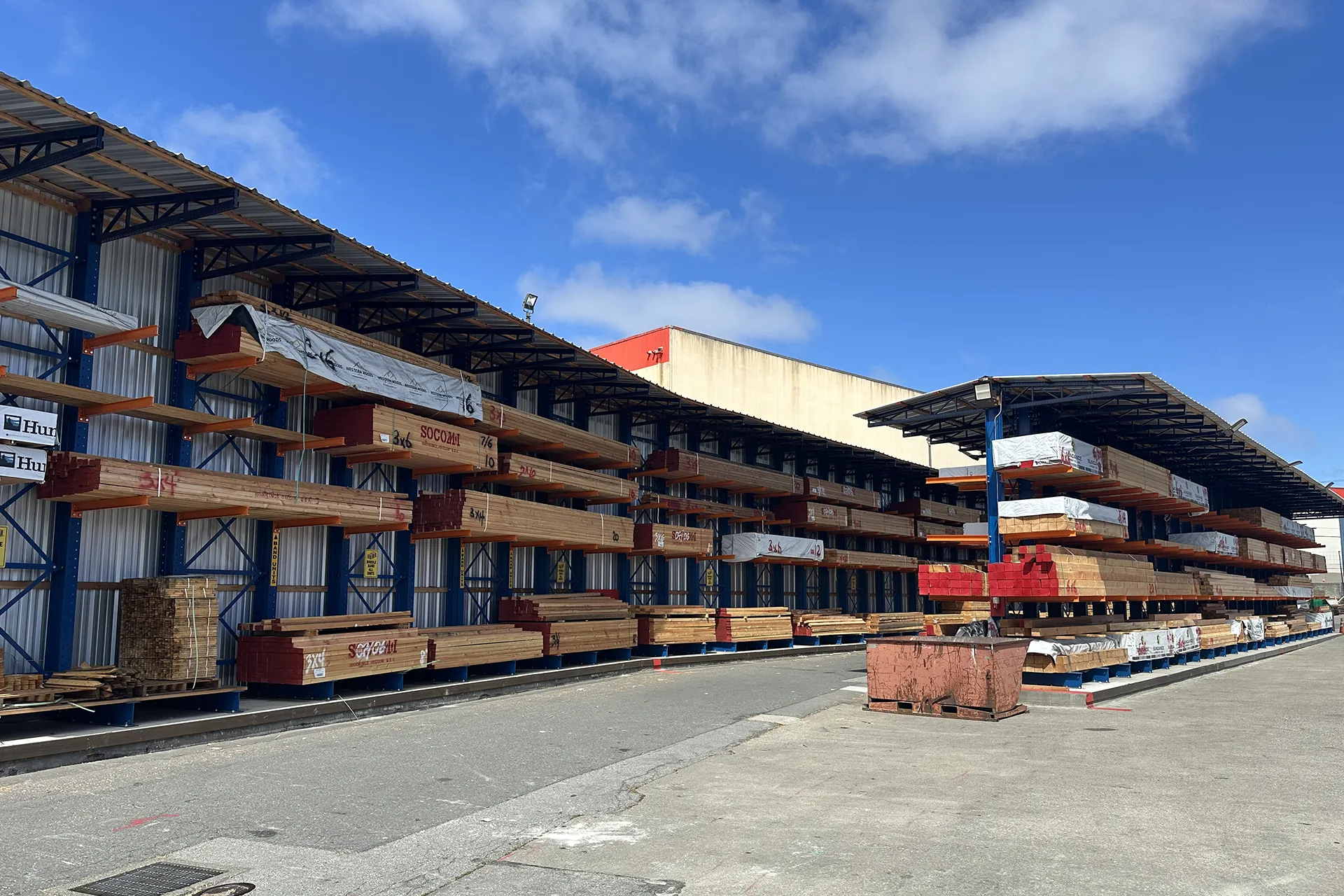
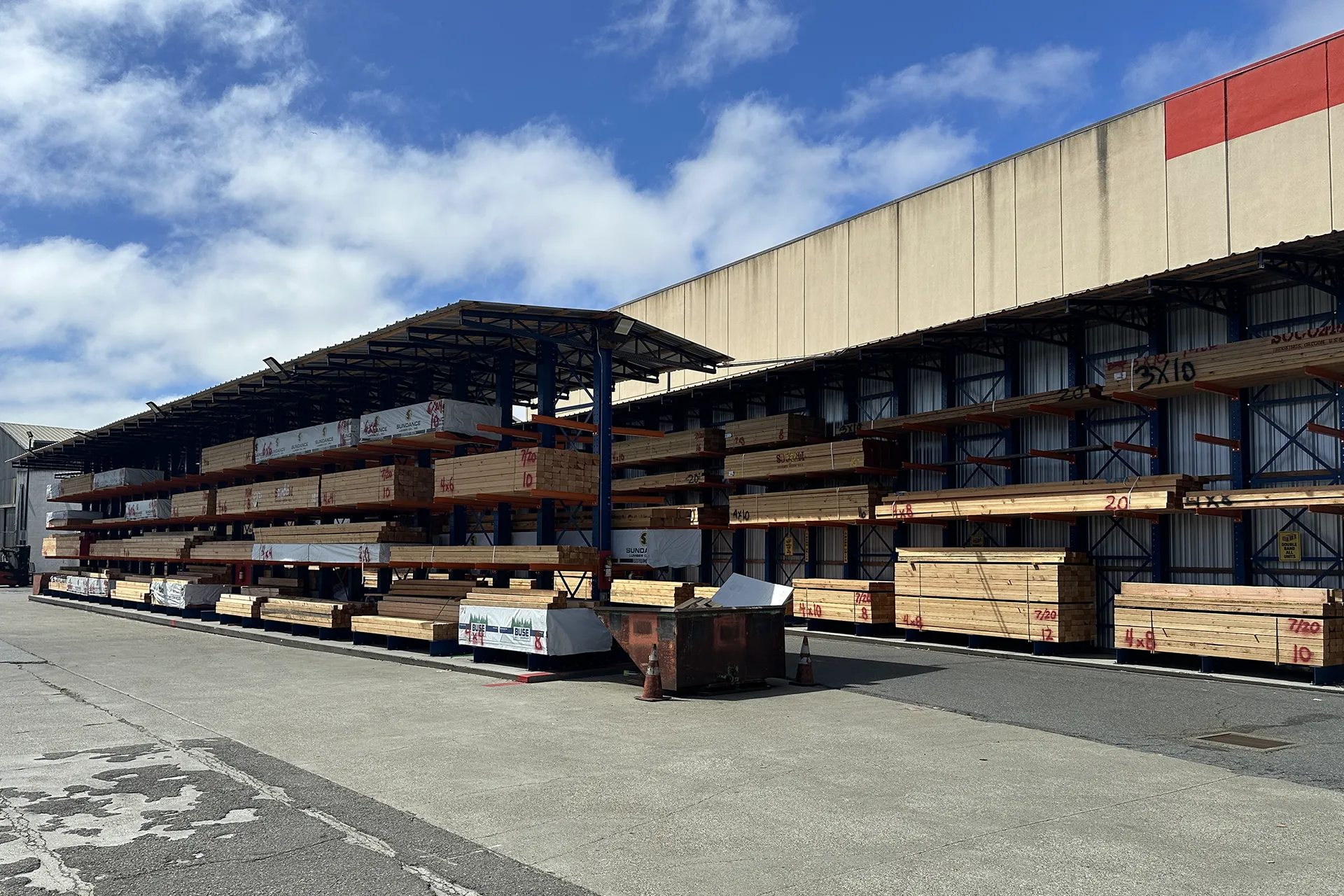
Lumber Company says: “Working with Speedrack West team has been a real pleasure. They made the whole process smooth and straightforward, and we’re 100% planning to come back again—which we actually just did recently.”


Derek Patterson says: “I would suggest that there should be no hesitation…from placing an order to getting everything delivered in such a timely manner. I had racking within 7 days compared to 4 to 6 weeks elsewhere. The customer service level is fabulous.”
The Brands Behind the Racks


Related Products


Irving Nieves says: “It's been an easy process working with the Speedrack West team, even with the changes partway through.”
Scott Misso says: “Everything works as expected. Designed as it should be. Good job!”
Kyle Gersman says: “I called Bill multiple times a day and he always picked up and was always very helpful. What I really liked is that they pointed out a lot of questions and processes that I didn't even have on my radar going into the move. It helped me expand the scope to an appropriate size of what I needed to consider as we made the transition to a bigger facility.”
Robert Baumgartner says: “Despite picking up this project in the middle of its lifecycle, the transition was flawless thanks to the team’s stellar communication. They exceeded our expectations by delivering the installation earlier than anticipated and hitting every technical requirement. From the sales team’s quick answers to their willingness to make adjustments, the experience was top-tier.”
Consolidated Supply says: “We’re very happy to be your regular client, and it’s always so easy to work with your team”
Lumber Company says: “Working with Speedrack West team has been a real pleasure. They made the whole process smooth and straightforward, and we’re 100% planning to come back again—which we actually just did recently.”
Derek Patterson says: “I would suggest that there should be no hesitation…from placing an order to getting everything delivered in such a timely manner. I had racking within 7 days compared to 4 to 6 weeks elsewhere. The customer service level is fabulous.”
The Brands Behind the Racks
Installation &
Tear Down
Our in house installation crew do their job promptly and professionally. We can also help with moving or tearing down your old rack system.


Sal Petrocelli
13 October 2026
Went with drive-in for our pallet volume. In and out in four days.
Caleb
27 October 2026
Professional team and they kept us in the loop throughout.