


Pallet Racking in Indianapolis, IN
Get pallet racking for Indianapolis warehouses built around how Central Indiana moves freight, from Plainfield and Whitestown to Greenwood and the rest of the I-465 ring. We supply and install new pallet racks in Indianapolis for distribution centers, pharmaceutical storage, and manufacturing plants. Selective, pallet flow, pushback, and drive-in systems are all designed to Indiana's state building and fire code. One team handles drawings, permits, installation, and inspection.


Pallet Racking Shipping to Indianapolis, IN
Most standard racking orders to Indianapolis can arrive in as little as
5–7 DAYS
Actual delivery times vary. Large projects, structural systems, and permit-tied orders may take longer. We ship from multiple U.S. locations – once we see your scope, we’ll give you a real lead time.
Racking Services in Indianapolis
Tagging System
Green, Yellow, Red
State Authority
IOSHA
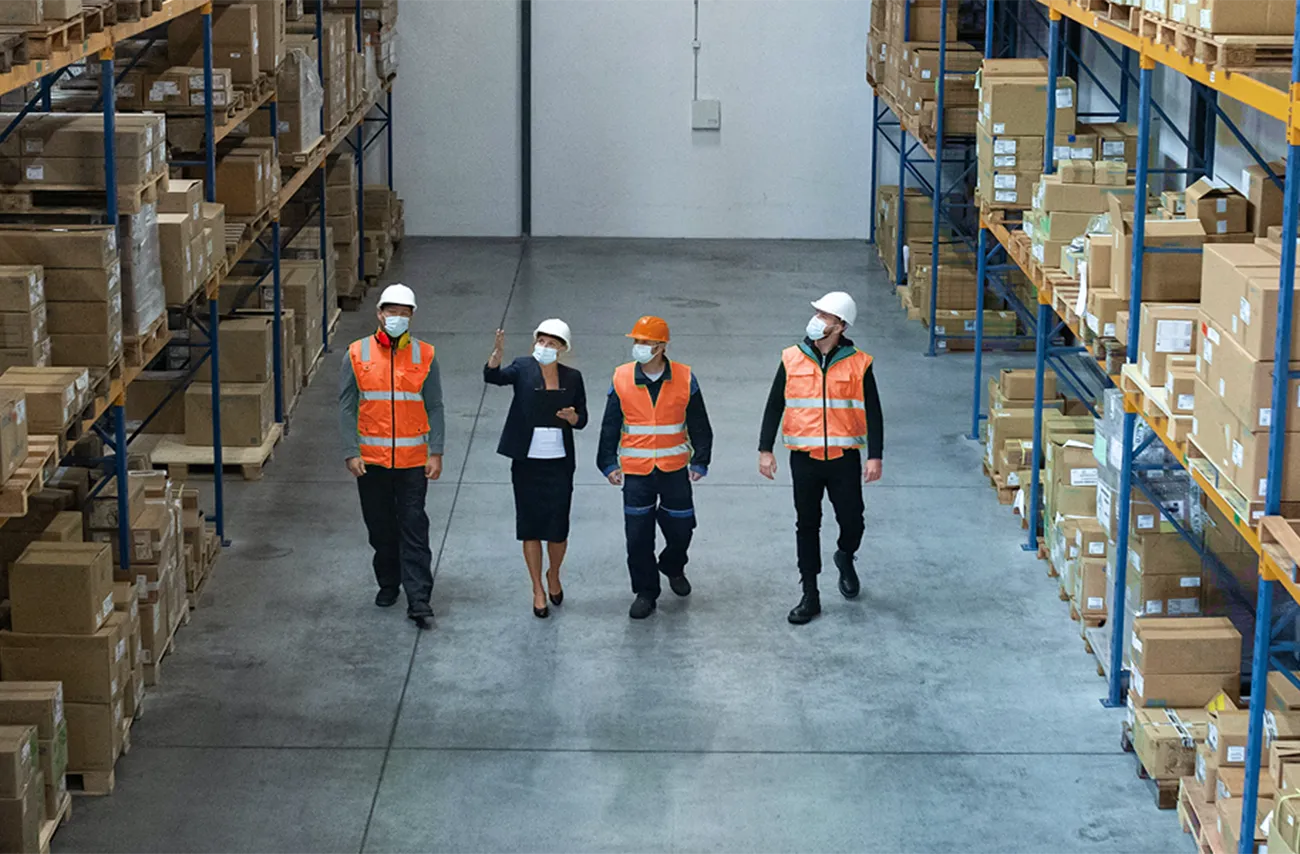
Our inspectors check every row part by part: columns, anchor plates, struts, beams, and frames. Each component gets a green, yellow, or red tag, and red means replace it now. Results go into a written report you can hand to a state inspector or your insurer. Forklifts keep running while we work, as they did across 5+ warehouses on a steel mill audit we ran in Portland, OR.
Design Standard
ANSI MH16.1
Seismic Basis
ASCE 7 Site Class
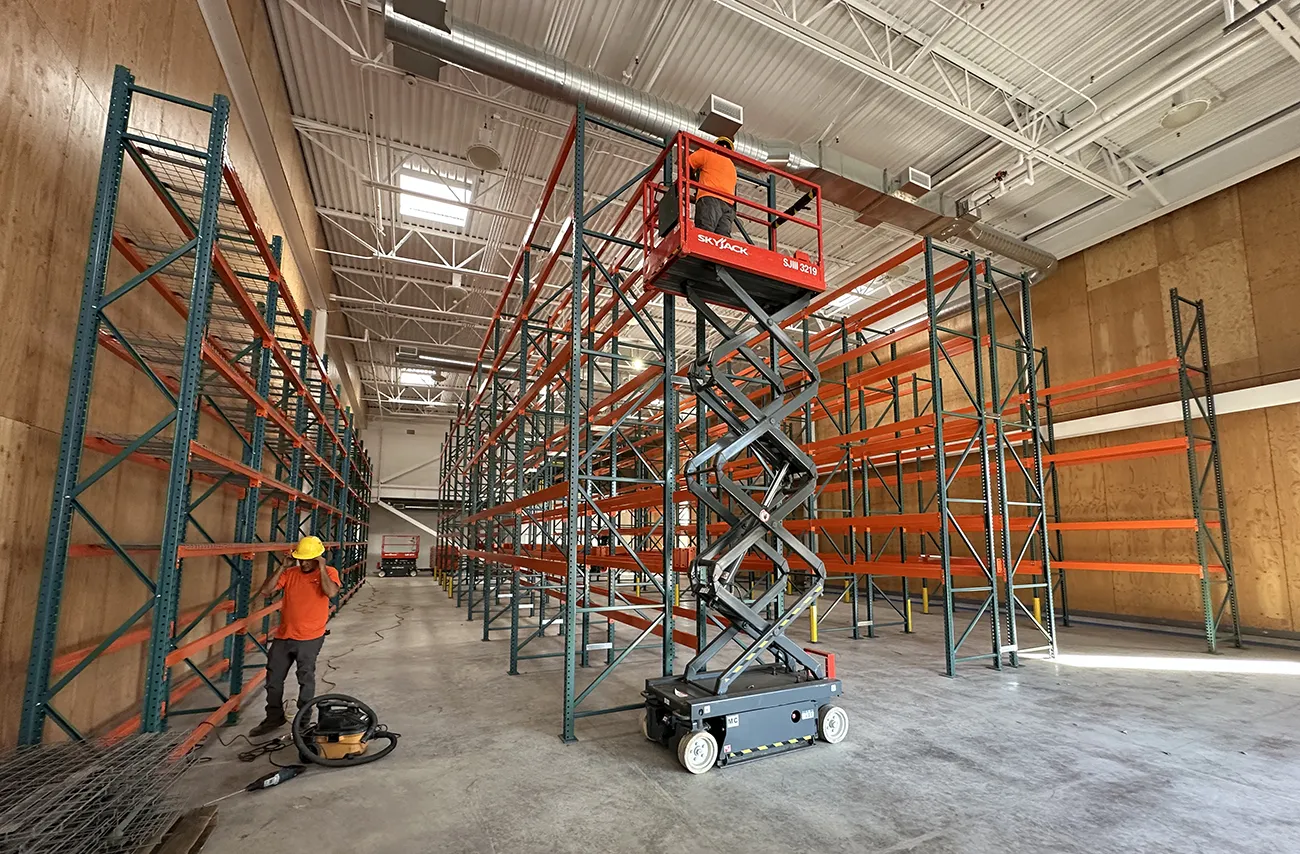
Our crew anchors every base plate to the engineer’s drawings, which are built on your site’s soil class and slab data. We tear out the old rack, install the new system, and leave the floor ready for inspection. On a Pueblo, CO steel mill project, that full sequence took 5 days and finished ahead of schedule. Indianapolis installs can be phased around your shifts so pallets keep moving.
State Release
IDHS Design Release
Local Authority
Business and Neighborhood Services
We prepare stamped drawings and file the state design release alongside the city permit application, since the city will not issue until the state signs off. Drawings carry the seal of an Indiana-registered design professional, which most state filings require. High-piled layouts get a separate plan set showing aisles, exits, and storage height for fire review. You get one point of contact from filing to approval.
Shop Our Products




Discover
300+
products
Warehouse Racking Built for the Crossroads of America
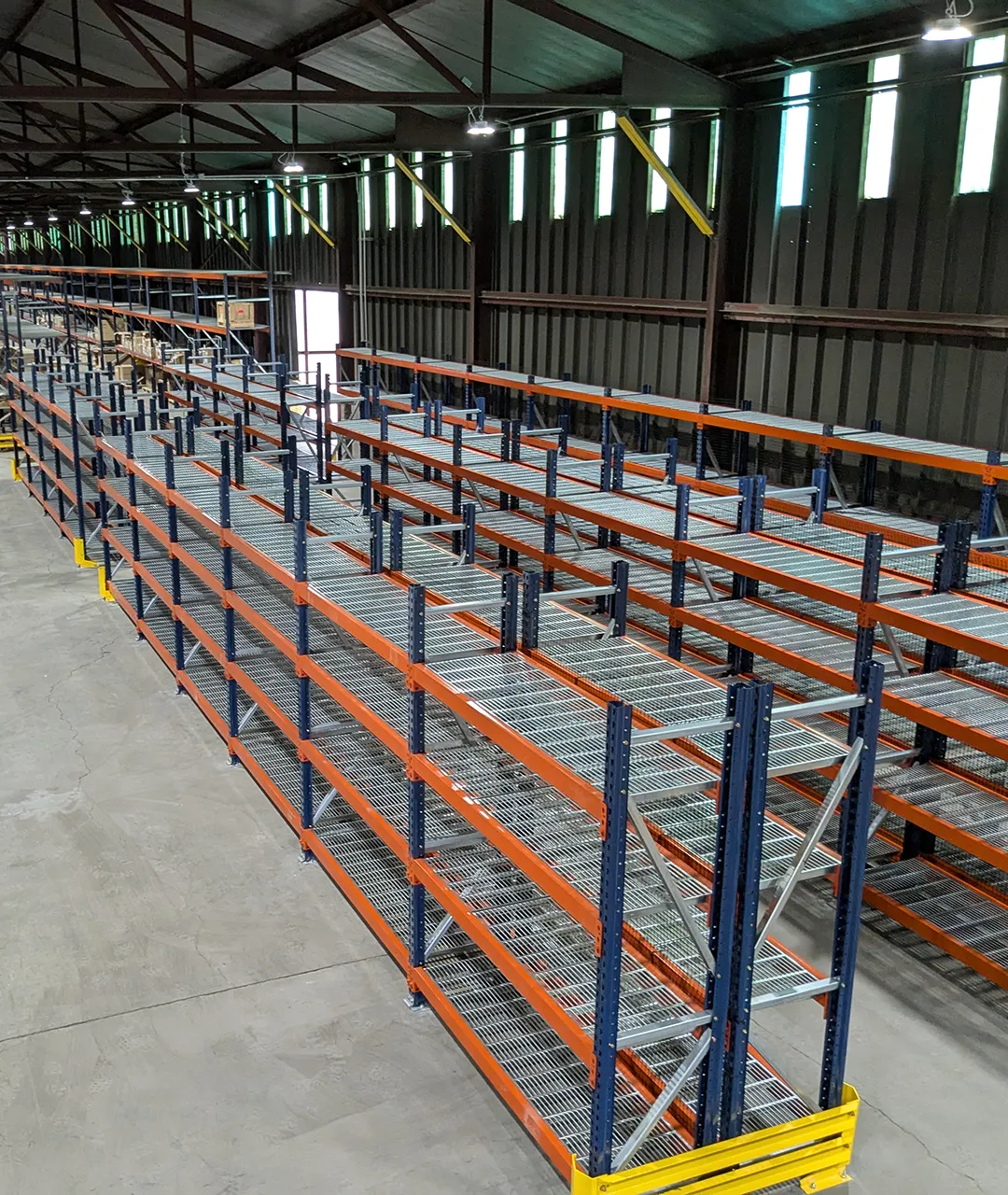
Warehouse Racking Built for the Crossroads of America
I-65, I-69, I-70, and I-74 all meet at Indianapolis, and the I-465 beltway ties them to distribution hubs in Plainfield, Whitestown, and Greenwood. We design pallet racking for Indianapolis buildings on those corridors, from airport-area air cargo fulfillment to multi-client 3PL space.
Central Indiana’s pharmaceutical and advanced manufacturing plants keep raw stock, lot-controlled inventory, and finished goods under one roof. Our crews handle pallet rack installation in Indianapolis facilities in phases, so teardown and install can run around your shifts.
Pallet rack inspection in Indianapolis follows our green, yellow, and red tagging system, which flags damaged uprights and beams before they fail. Pallet rack repair in Indianapolis means replacing red-tagged parts with new steel, across the selective, pallet flow, pushback, and drive-in systems Indy operations run.

Requirements and Regulations Specific to Racking in Indianapolis, IN
Who You'll Work With
Why This Matters for Indianapolis Operations
Key Requirements
-
Permit Requirement:
Indianapolis requires a written building permit before construction work on a commercial or industrial structure. Because warehouses are Class 1 structures, rack projects also need a Construction Design Release from the state, or a documented exemption under 675 IAC 12-6-4, before the city issues that permit. High-piled storage rack installs in Marion County are filed this way. The minimum rack height that triggers city review is anything over 5 feet 9 inches (69 inches). Indianapolis follows the standard International Building Code (IBC) exemption threshold, meaning any commercial racking system exceeding 5′ 9″ is legally treated as a structure and requires a formal building permit supported by engineered drawings.
-
Application:
The state filing goes to the Indiana Department of Homeland Security Building Plan Review Section, and the permit application goes to the City of Indianapolis Department of Business and Neighborhood Services. Both can be submitted at the same time.
-
Seismic Design Category:
Indiana’s highest seismic hazard sits in the southwest, around the Wabash Valley Seismic Zone, not in Central Indiana. ASCE 7 still assigns a Seismic Design Category per site, based on soil site class and risk category, so no single letter applies across Indianapolis.
-
Engineering:
A Purdue and INDOT seismic hazard study found that thick glacial till under the Indianapolis metro can amplify ground motion. That makes the site’s soil class a real input, and our engineer confirms the category from site data before designing anchorage and frame bracing.
-
High-Piled Combustible Storage:
The Indiana Fire Code (675 IAC 22) is built on the International Fire Code, which treats combustible storage over 12 feet high as high-piled storage. Indiana’s Chapter 32 amendments require plans showing aisle widths, exits, exit signs, storage height, and hazardous material locations to go to the fire department having jurisdiction, with a copy kept on site.
-
Sprinkler Coordination:
Commodity class and top-of-storage height decide if the existing sprinkler system can protect a new rack layout. Most Indianapolis sites fall under the Indianapolis Fire Department, but some Marion County townships run their own departments, so the reviewing department is confirmed by address before plans go in.
-
Load Capacity:
Steel storage rack design follows ANSI MH16.1, the RMI engineering standard, while the Indiana Building Code (675 IAC 13) governs the permit. Each bay gets a posted capacity based on its beam and frame selection, and that number has to match what forklifts actually put on it.
-
Anchoring:
Base plates anchor to the slab per the engineer’s drawings. Slab thickness and concrete condition get verified before installation, because anchor capacity depends on both.
-
General Duty Clause:
Indiana runs its own OSHA-approved state plan. IOSHA, part of the Indiana Department of Labor, covers private-sector workplaces and can cite the general duty clause where no specific standard addresses a rack hazard.
-
Ongoing Compliance:
Damaged uprights, missing beam locks, and overloaded bays are the conditions that draw citations. Documented annual inspections give you a record to show an inspector, and the Indiana Department of Labor’s INSafe division runs an on-site consultation program for private employers.
-
Pre-Install Engineering Review:
Before any steel ships, our team audits your order against your site dimensions, forklift class, and pallet specs. We catch specification errors before they leave our facility – and we document everything so your receiving team knows exactly what to expect at the dock.
-
Post-Install Verification:
After installation, we walk every row against the stamped drawings: anchor count, beam locks, frame plumb, and capacity labels. That record matches what was released and permitted, which gives your team documentation for any final inspection.
-
Zoning Compliance:
Indianapolis-Marion County zoning sets four industrial districts: I-1 Restricted, I-2 Light, I-3 Medium, and I-4 Heavy. Permit applications pass through Zoning Review at Business and Neighborhood Services, so the parcel’s district has to allow the warehouse or storage use.
-
Site-Specific Checks:
Some parcels sit in development plan districts with their own conditions, and a change in building use can add review beyond the rack permit. We confirm the parcel’s district on the Official Zoning Map before layout work starts.
Custom Racking for Central Indiana Industries
Indianapolis storage demand comes from three directions: freight moving through the interstate and air cargo network, life sciences production, and manufacturing. Each needs a different rack mix.
Logistics & Other Distribution
Medical, Lab & Scientific Manufacturing
Heavy Industry & Fabrication
We are Indianapolis’s largest pallet rack and material handling distributor!
What Pallet Rack type is right for you?
In Indianapolis, Indiana, the right racking system depends on your industry, throughput, and facility layout. Air cargo fulfillment, pharmaceutical storage, and manufacturing plants each put different loads on pallet racks in Indianapolis, and a pallet flow rack for an Indianapolis distribution lane solves a different problem than selective rack in a parts room. If you’re not sure which fits, that’s the conversation we want to have first.
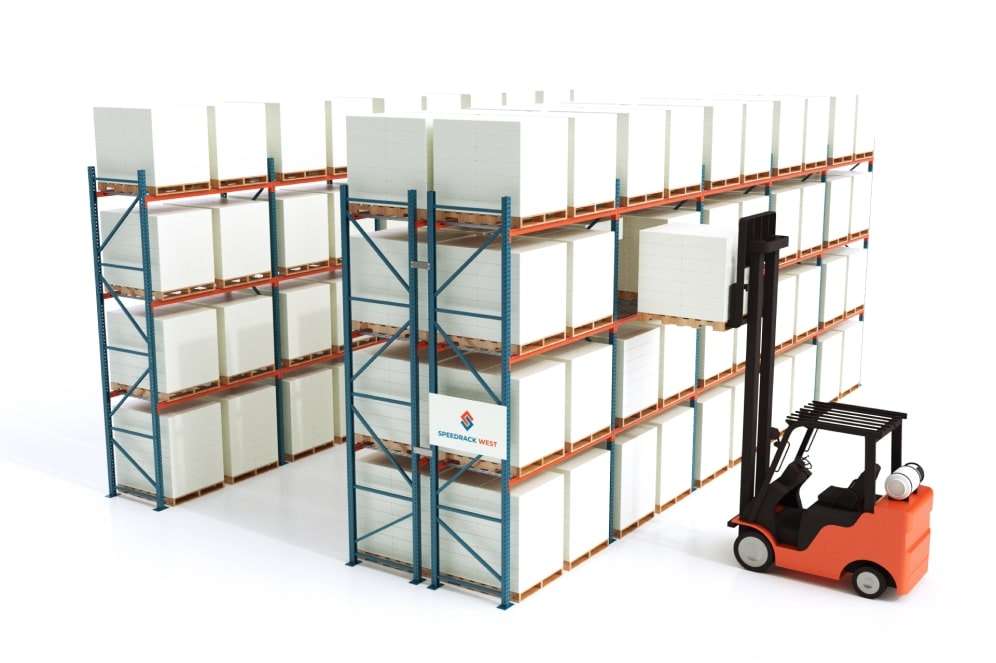
Selective Pallet Racks
The most common type of pallet racking system. It provides direct access to each pallet, making it suitable for warehouses with a wide variety of products.
Advantages
Flexibility, ease of access, and compatibility with most types of forklifts.
Compliance
Must meet structural and seismic requirements as outlined in the local building codes and ASCE 7 standards.
Advantages
Flexibility, ease of access, and compatibility with most types of forklifts.
Compliance
Must meet structural and seismic requirements as outlined in the local building codes and ASCE 7 standards.

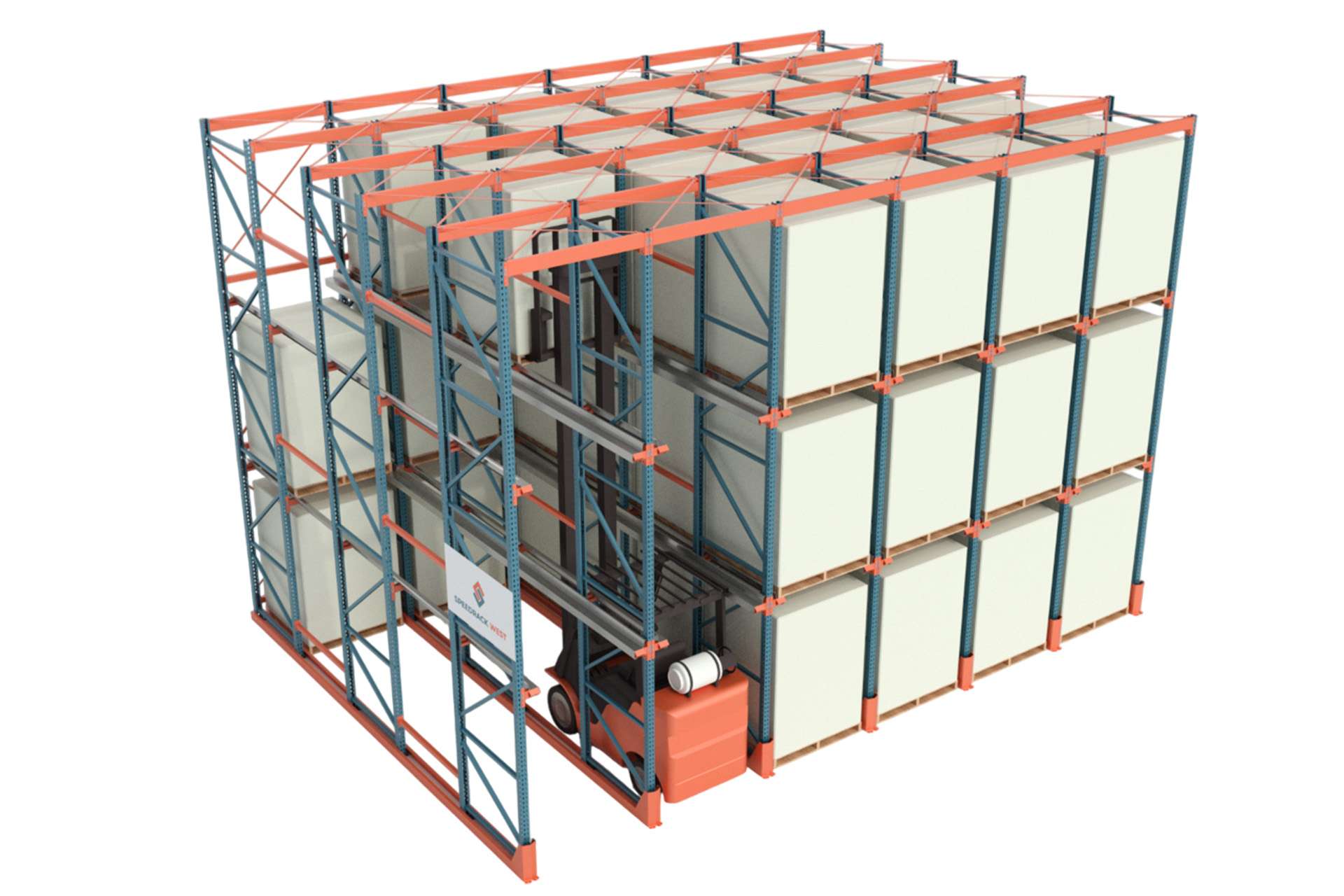
Drive-In/Drive-Through Racks
Designed for high-density storage, allowing forklifts to drive directly into the rack to place or retrieve pallets. Drive-In racks have one entry and exit point, while Drive-Through racks have entry and exit points on both sides.
Advantages
Maximizes storage space by reducing aisle space.
Compliance
Requires careful design and anchorage to meet safety standards, especially in seismic zones.
Advantages
Maximizes storage space by reducing aisle space.
Compliance
Requires careful design and anchorage to meet safety standards, especially in seismic zones.

Push-Back Racks
A high-density storage system where pallets are loaded from the front and pushed back on inclined rails. When a pallet is removed, the next pallet automatically moves forward.
Advantages
Increases storage density while providing better access to products compared to drive-in racks.
Compliance
Needs to adhere to local structural requirements and periodic inspections for safety.
Advantages
Increases storage density while providing better access to products compared to drive-in racks.
Compliance
Needs to adhere to local structural requirements and periodic inspections for safety.

Pallet Flow Racks
Utilizes gravity flow lanes to move pallets from the loading side to the picking side. Ideal for first-in, first-out (FIFO) inventory management.
Advantages
Efficient for warehouses with high turnover rates and expiration-sensitive products.
Compliance
Requires detailed structural analysis and compliance with seismic bracing standards.
Advantages
Efficient for warehouses with high turnover rates and expiration-sensitive products.
Compliance
Requires detailed structural analysis and compliance with seismic bracing standards.
Designing Your Pallet Rack
Try our Pallet Rack Builder to design your system and get instant final pricing upon checkout.
Try Pallet Rack BuilderDo you serve warehouses outside Indianapolis, like Plainfield, Whitestown, and Greenwood?
Yes. We cover the Indianapolis region, including Plainfield, Whitestown, Greenwood, and industrial sites around the I-465 beltway.
How does Indiana’s earthquake risk affect pallet racks in Indianapolis?
It still shapes the design. Central Indiana’s hazard is lower than the southwest near the Wabash Valley Seismic Zone, but ASCE 7 sets the category site by site, and the metro’s thick glacial soils can amplify shaking.
Is pallet flow rack a good fit for Indianapolis pharmaceutical and fulfillment warehouses?
Yes, when each lane holds a single SKU. Life sciences and logistics are two of the Indy region’s largest sectors, and pallet flow rack gives both first-in, first-out rotation.
Key Notions
Pallet racks are known throughout the industry by many names. Below are some of the more common terms that are used interchangeably for pallet racking.
- Industrial shelving
- Industrial pallet racks
- Stacking Rack
- Warehouse shelving
- Industrial racking systems
- Load-bearing Rack
- Warehouse racking systems
- Pallet rack systems
- Bulk Storage Rack
- Warehouse racks
- Pallet racking storage
- Heavy-Duty Rack
- Pallet racking
- Pallet racking uprights and beams
- Pallet Shelving
- Warehouse racking
- Industrial Rack
- Logistics Rack
- Warehouse pallet shelving rack
- Racking System
- Palletized Storage System
- Storage racking
- Shelving Unit
- Freight Storage Rack
- Warehouse storage racks
- Material Handling Rack






Irving Nieves says: “It's been an easy process working with the Speedrack West team, even with the changes partway through.”


Scott Misso says: “Everything works as expected. Designed as it should be. Good job!”


Kyle Gersman says: “I called Bill multiple times a day and he always picked up and was always very helpful. What I really liked is that they pointed out a lot of questions and processes that I didn't even have on my radar going into the move. It helped me expand the scope to an appropriate size of what I needed to consider as we made the transition to a bigger facility.”


Robert Baumgartner says: “Despite picking up this project in the middle of its lifecycle, the transition was flawless thanks to the team’s stellar communication. They exceeded our expectations by delivering the installation earlier than anticipated and hitting every technical requirement. From the sales team’s quick answers to their willingness to make adjustments, the experience was top-tier.”


Consolidated Supply says: “We’re very happy to be your regular client, and it’s always so easy to work with your team”


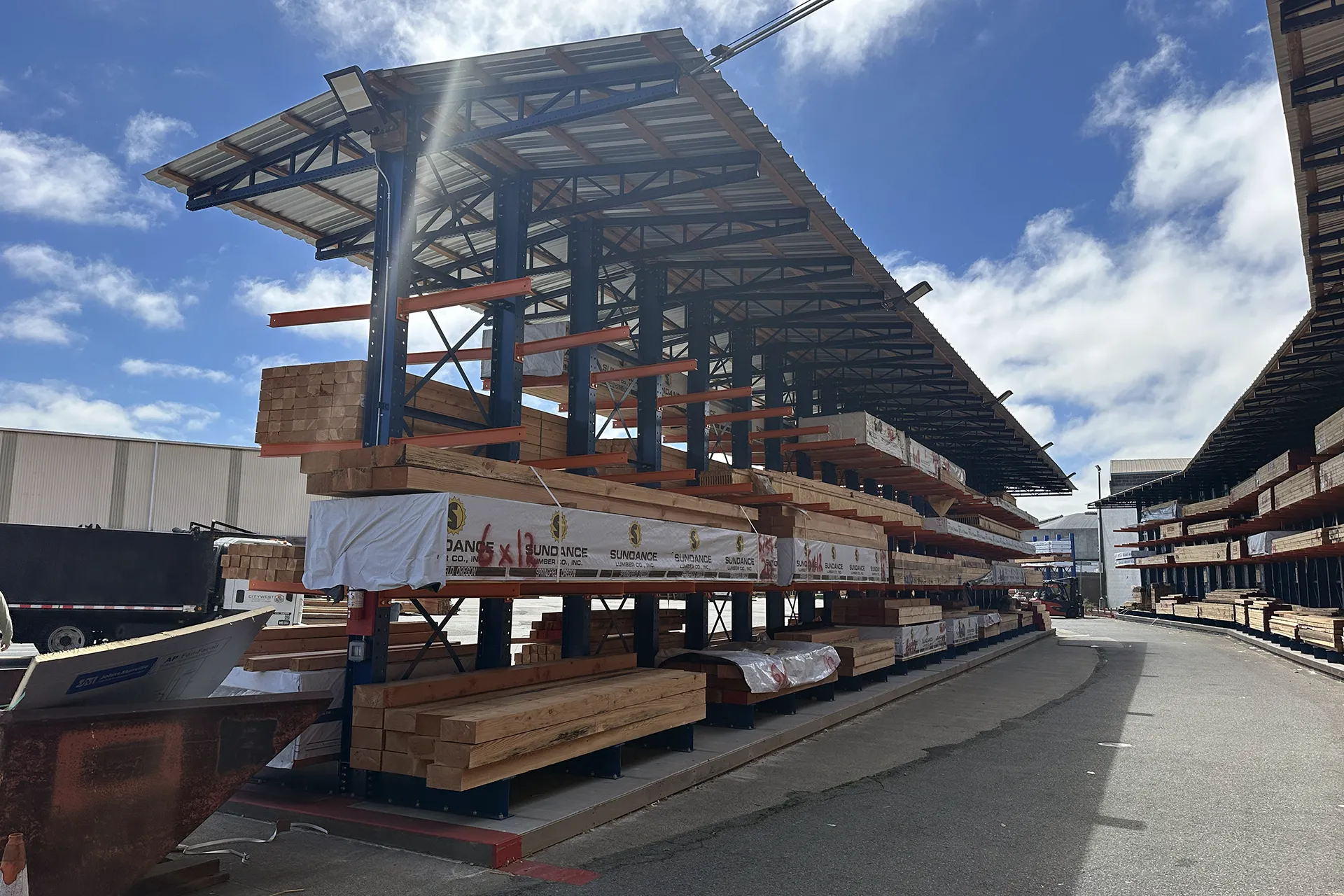
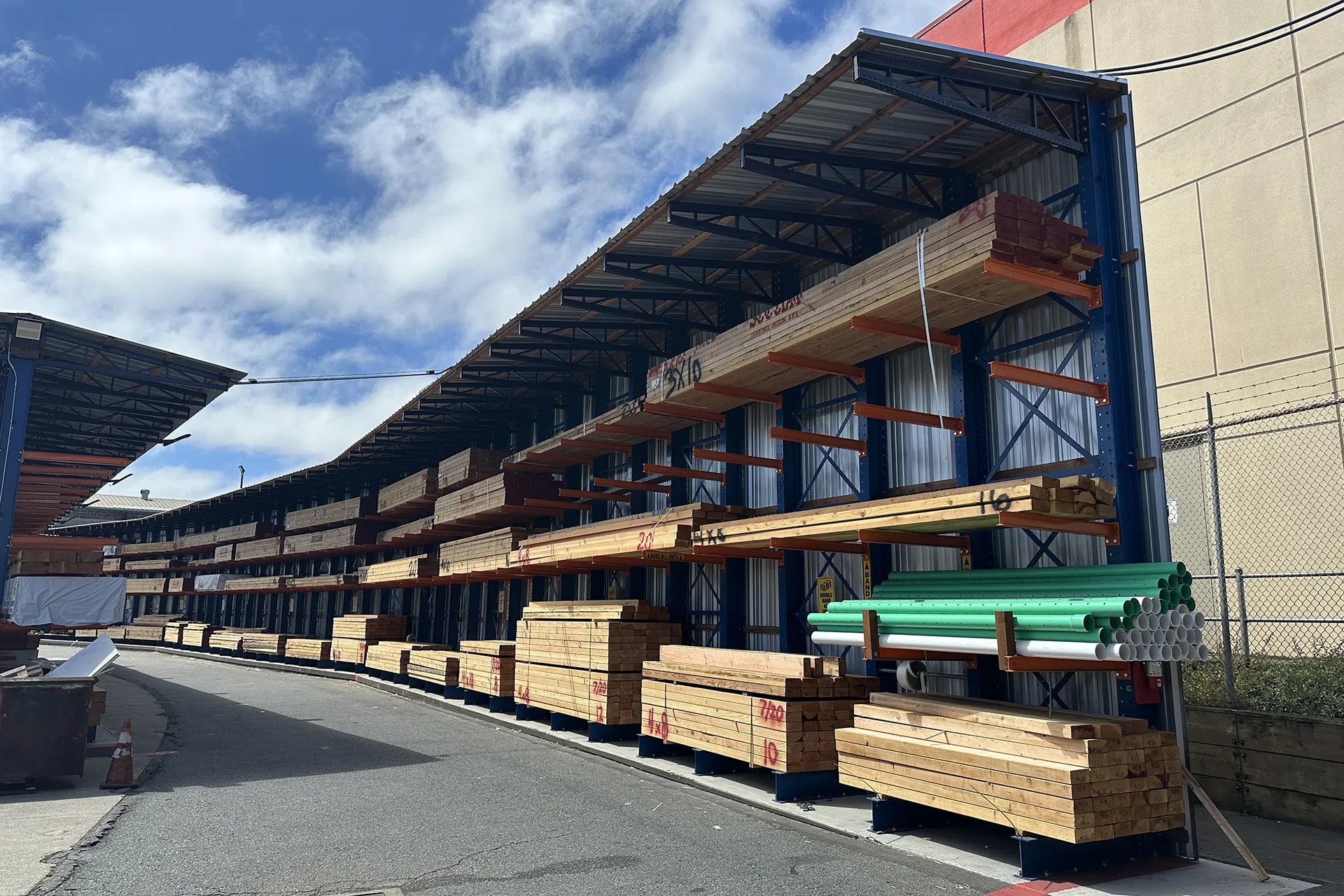
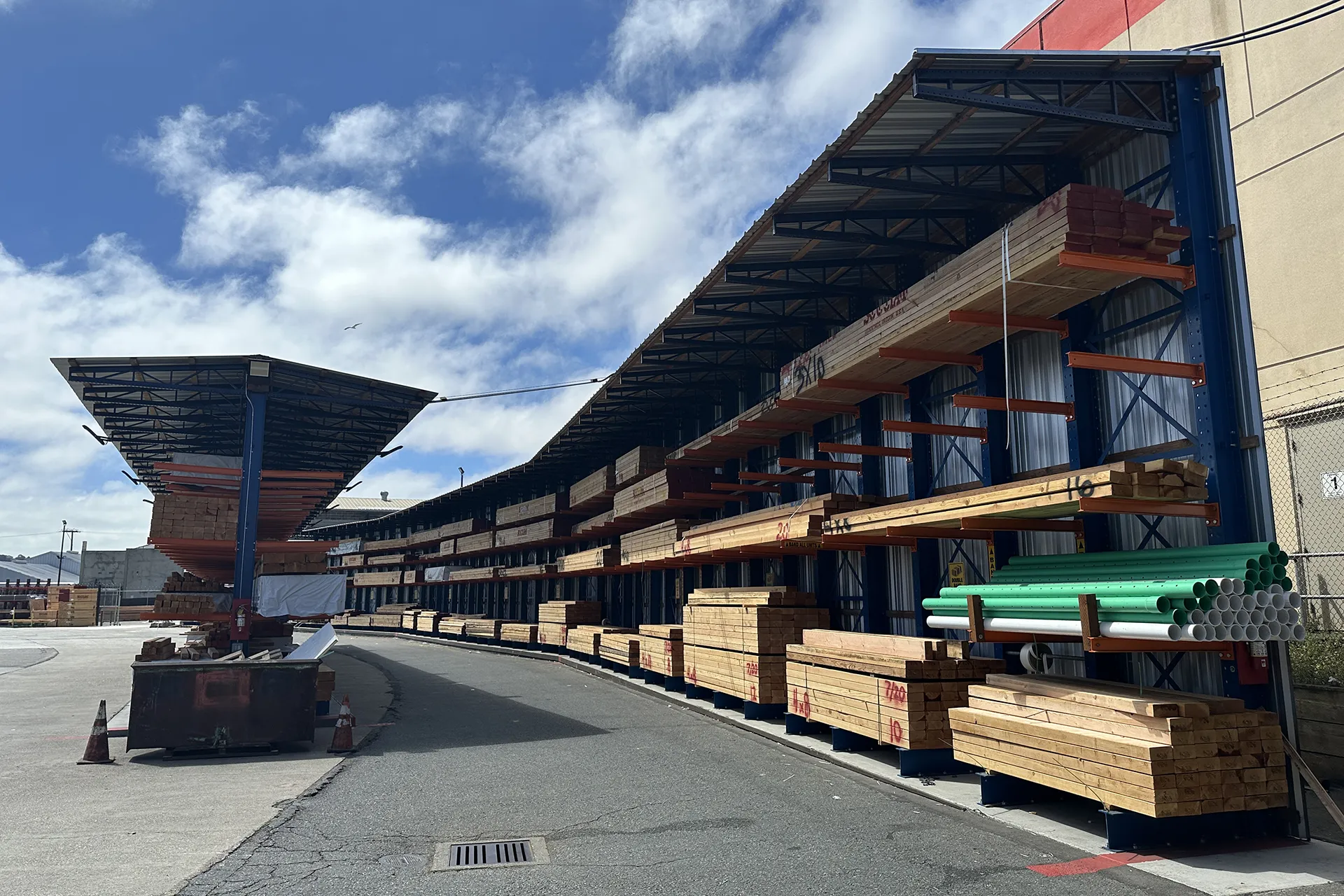
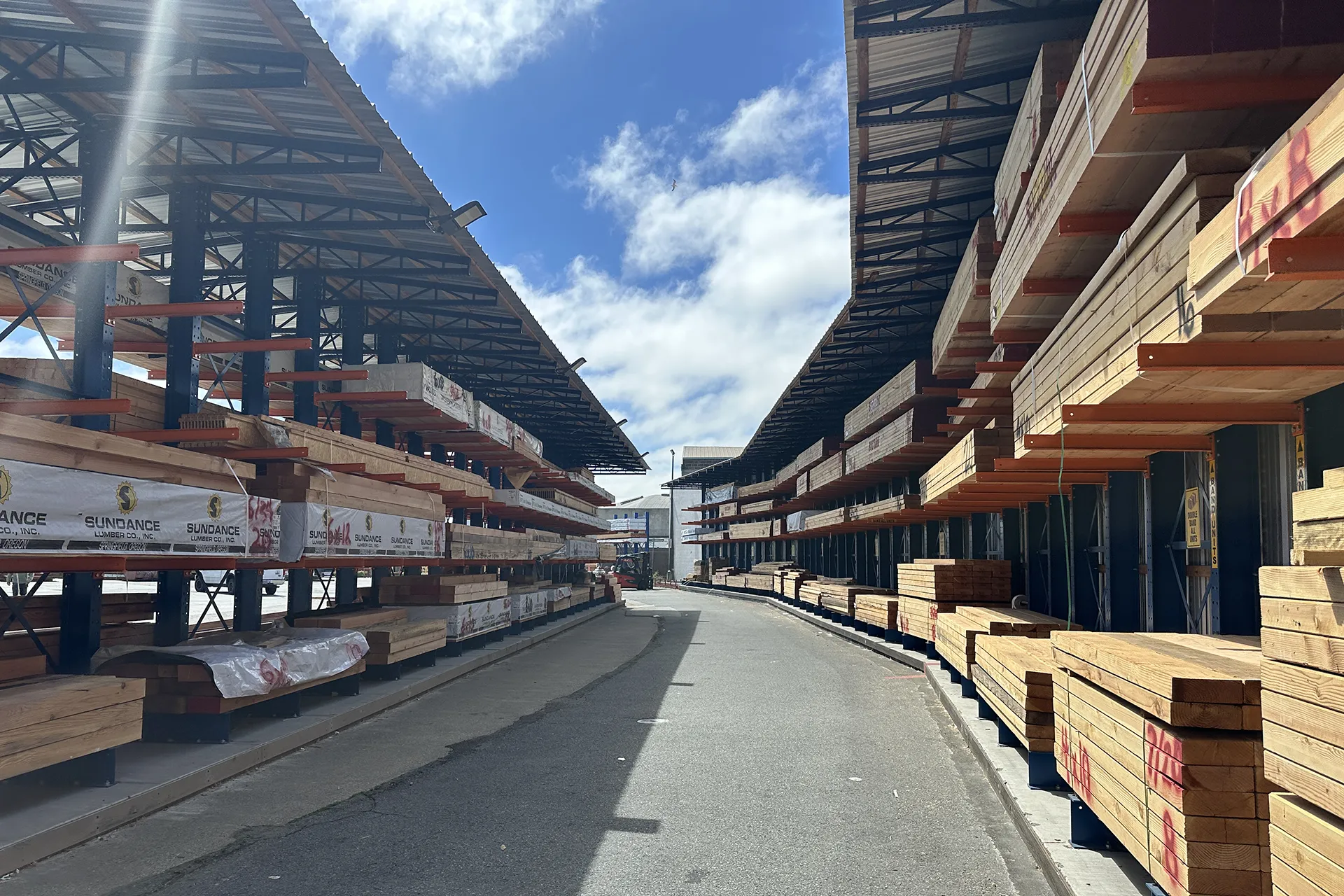
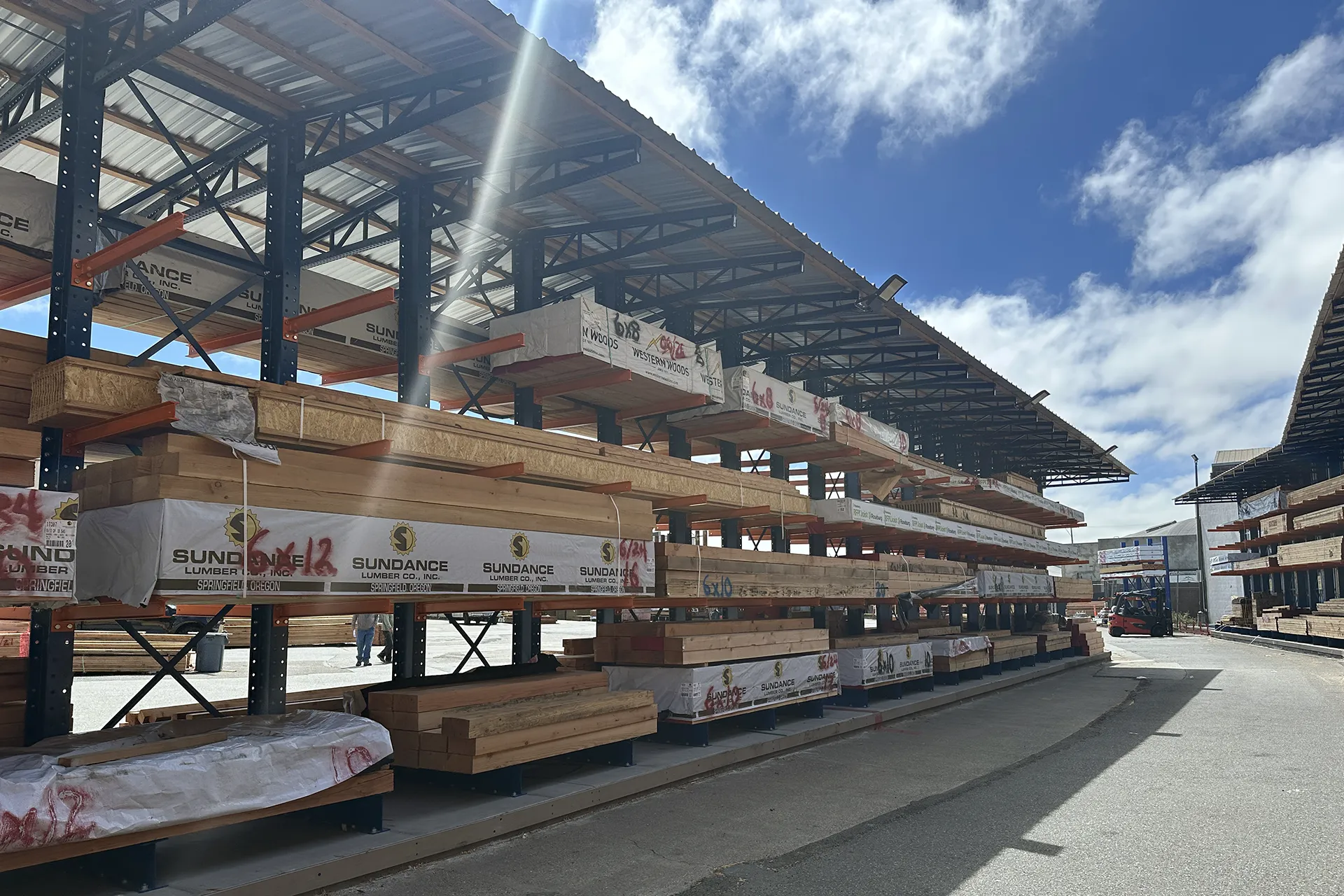
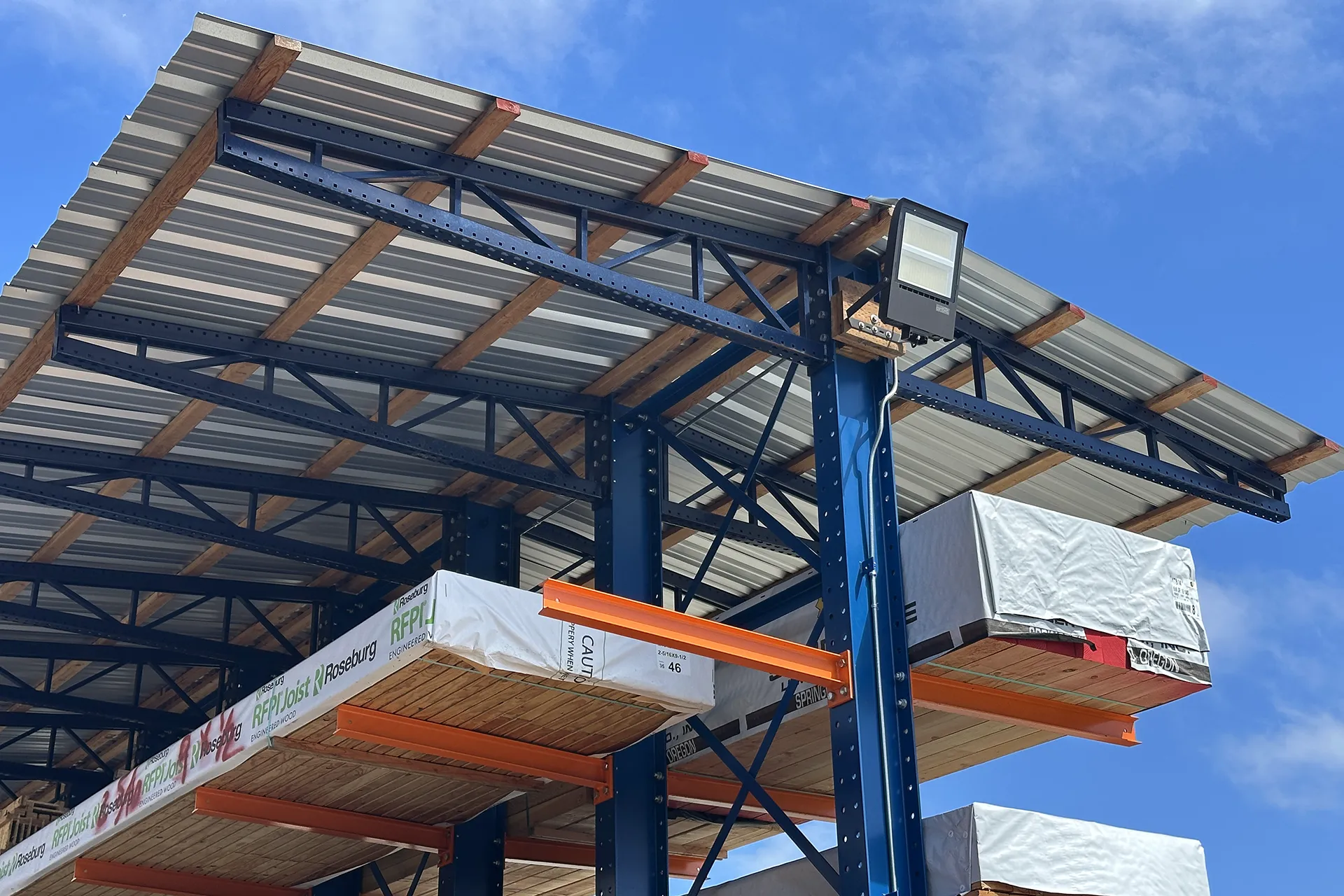
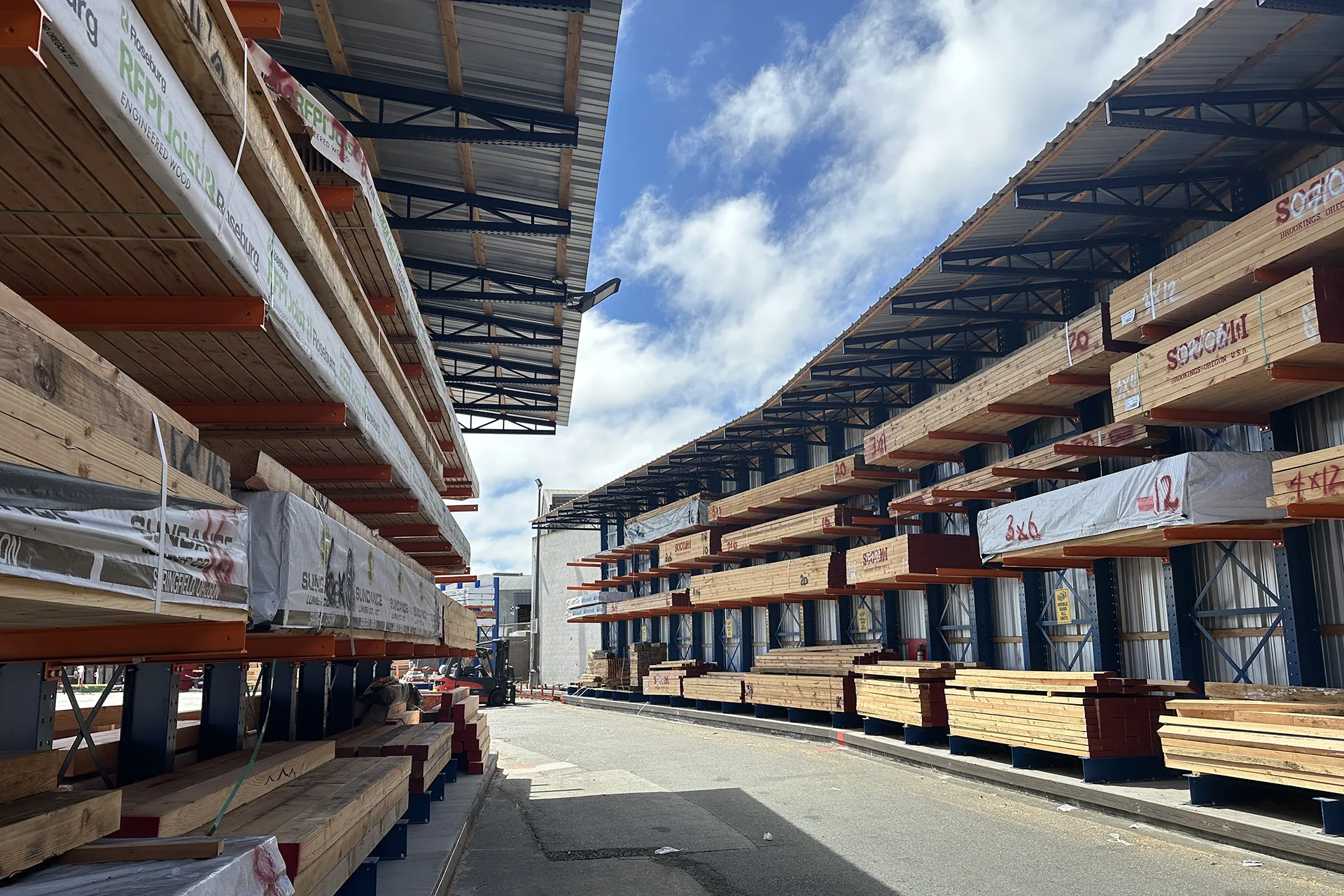
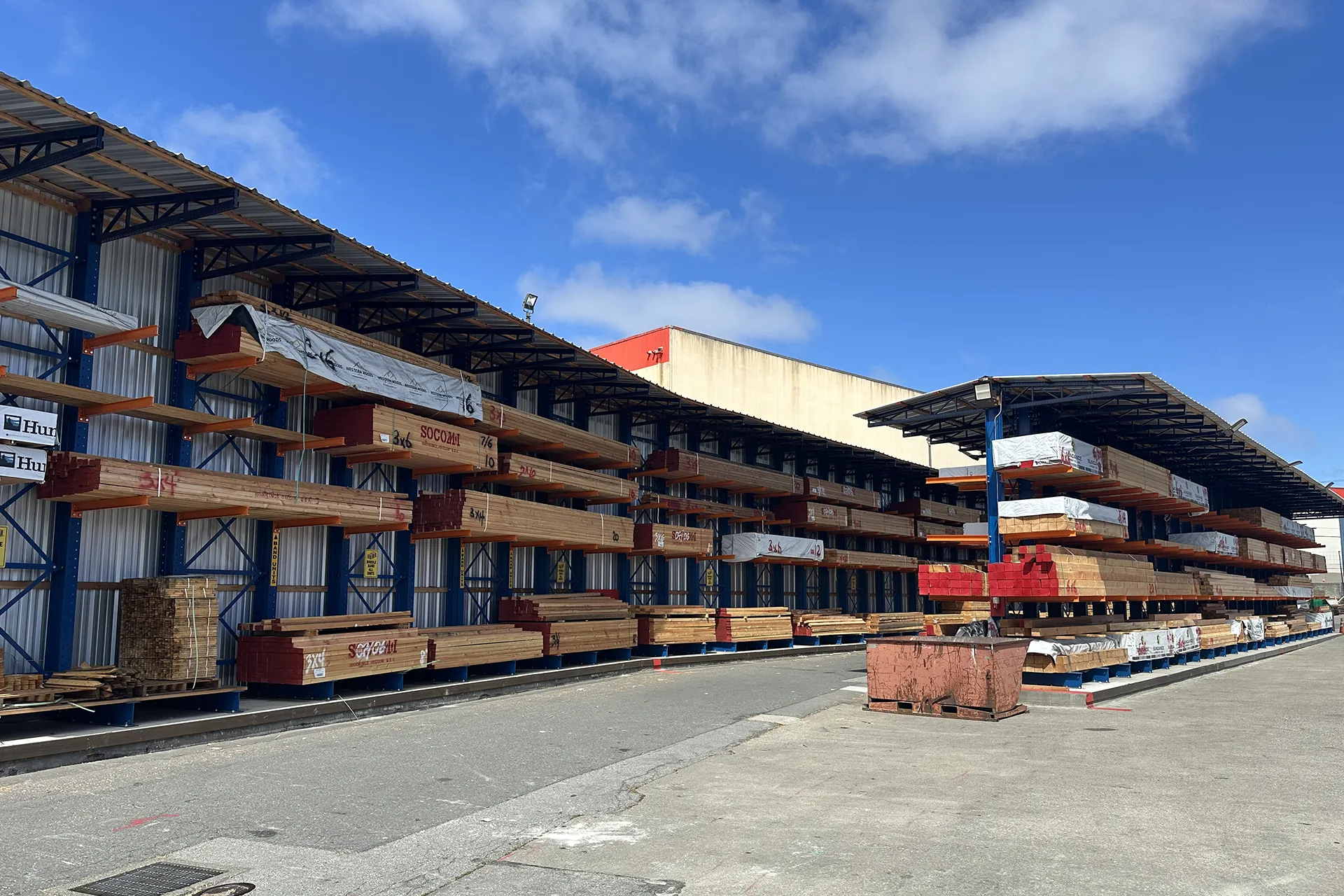
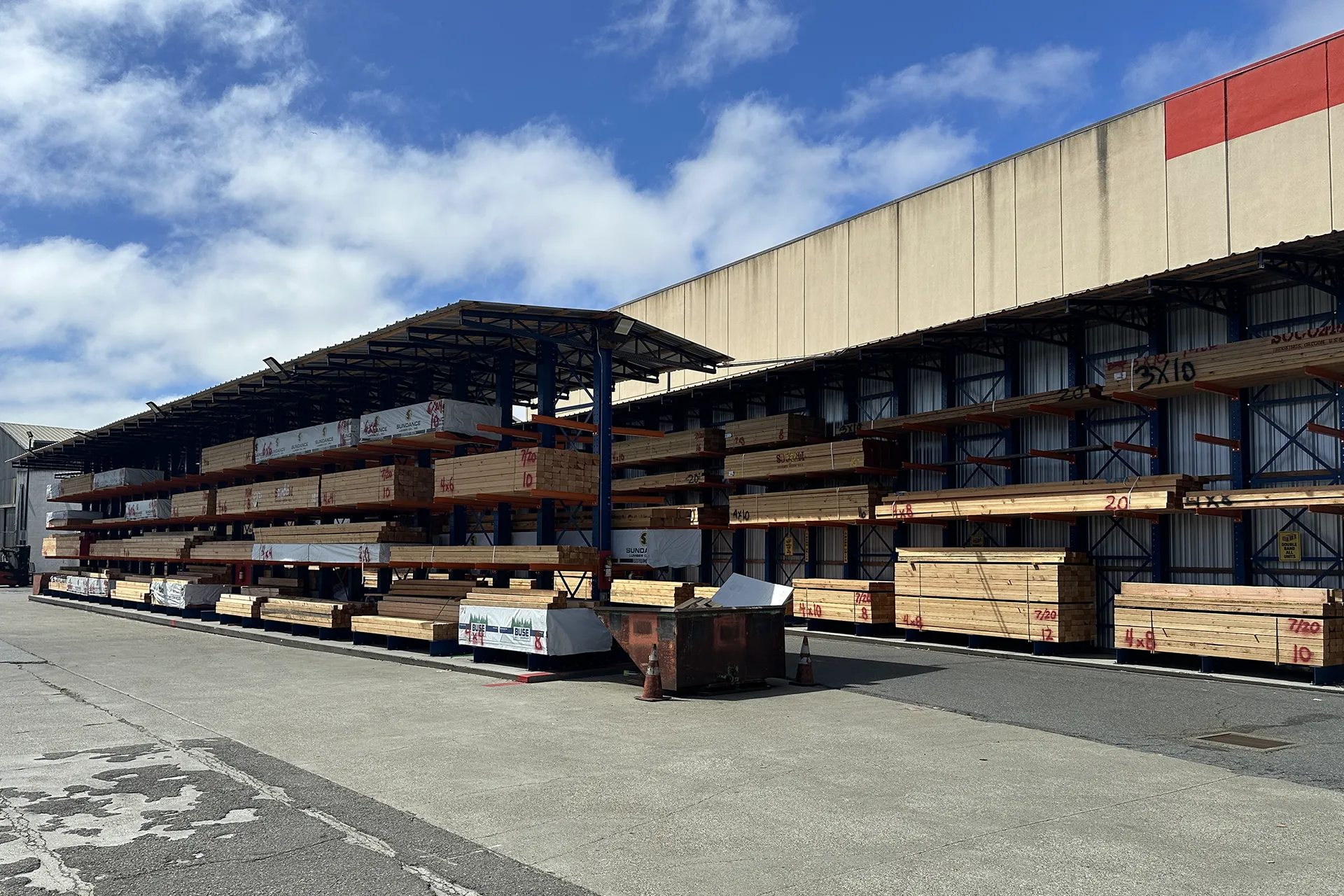
Lumber Company says: “Working with Speedrack West team has been a real pleasure. They made the whole process smooth and straightforward, and we’re 100% planning to come back again—which we actually just did recently.”


Derek Patterson says: “I would suggest that there should be no hesitation…from placing an order to getting everything delivered in such a timely manner. I had racking within 7 days compared to 4 to 6 weeks elsewhere. The customer service level is fabulous.”
Need Warehouse Help in Indianapolis? Let’s Talk.